

14 Visiting Five-Wicket Hauls, One for Sri Lanka Fast Bowlers
Dhananjaya de Silva has asked his seamers for "a few percent" more before the SSC Test, and the numbers behind that request are brutal.

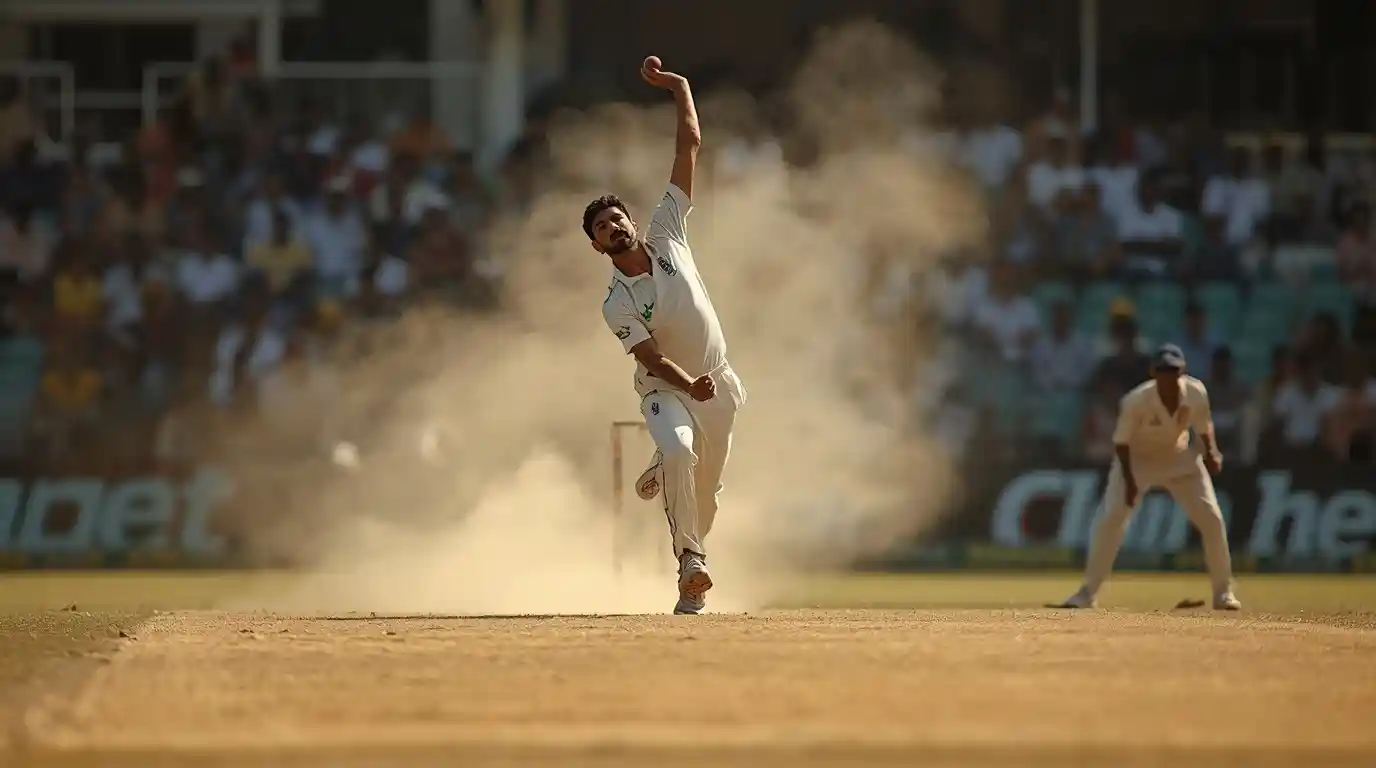
Sri Lanka fast bowlers have taken exactly one five-wicket haul at home in the past 15 years, and this week their captain finally said the quiet part out loud. Dhananjaya de Silva, speaking ahead of the second Test against India at the SSC in Colombo, asked his seamers to lift themselves — not dramatically, just by a few percent. Over that same stretch, 14 visiting quicks have taken five in an innings on Sri Lankan soil.
The lone exception is Nuwan Pradeep, who took 6 for 132 against India in 2017. That is the entire list. Fourteen against one, on pitches the home side prepares, in conditions the home side knows best. It is the kind of statistic that usually stays buried in a records page rather than getting aired by a serving captain two days before a Test.
He has good reason to raise it now. India lead the series 1-0 after a 165-run win at Galle, and Sri Lanka go into Sunday's game needing a result to square things and pull back 12 World Test Championship points. For Indian fans, this is the part of the tour where a 2-0 sweep stops being a nice bonus and starts mattering in the table.
How India Turned Galle Into a One-Sided Test
India batted first at Galle from 15 to 19 August and made 462, with Devdutt Padikkal scoring 167 and taking the match award. KL Rahul made 82 and Rishabh Pant 66. Sri Lanka replied with 284, then 206 in the second innings. Spinner Manav Suthar finished with ten wickets in the match — 4 for 76 and 6 for 55. Dinusha's 100 and 84 accounted for 184 of Sri Lanka's 490 runs across both innings, more than a third of the total.
De Silva was blunt about the template. India batted for two days and put 460 on the board, he said, and that was the difference. Everything else followed from it: scoreboard pressure, a fourth-innings target Sri Lanka were never chasing comfortably, and a spinner given the freedom to attack.
Where Sri Lanka Fast Bowlers Lost 15 Years
The 14-to-1 gap is not an accident of luck. Home pitches in Galle and Colombo are prepared to turn, so seamers are often handed short bursts with the new ball and then parked at fine leg for the rest of the day. Young quicks drift into white-ball cricket, where the workload is lighter and the selection door opens faster. Wickets go to the spinners, and the pace attack becomes a formality rather than a plan.
De Silva has been pushing against that. Every match under his captaincy has been played with two seamers, he pointed out, where earlier sides often went in with one. He believes quicks have a genuine role in Sri Lankan conditions. The record simply hasn't caught up with the intent yet.
Only One Bowler Who Can Top 140kph
The captain's second admission was sharper. He would like two or three bowlers touching more than 140kph; right now he has one. That is a structural problem, not a form slump, and it explains why the seam attack rarely blows a side away on day one. Asitha Fernando has led the attack, with Lahiru Kumara the express option when fit.
Our fast bowlers lack that confidence. If they can raise their game a little bit – (by) a few percent - we can move forward better.

What Sri Lanka Change for the SSC Test
De Silva confirmed the shape of the side stays put, but a couple of names are in play. Here is what is being weighed up.
Kamil Mishara Set to Open
Mishara is in line for a debut at the top of the order. He scored a T20 hundred recently and has been productive in A-team cricket, which is the standard route into a Sri Lanka Test side these days. Opening against India's attack on debut is a hard first assignment, but the hosts need a start they didn't get in Galle.
Vishwa Fernando Back in the Mix
The left-arm seamer is under consideration, and the logic is angle rather than speed. A left-armer changes the geometry against right-handed batters and gives the captain something different to reach for when the ball stops doing much. It would also spread the load on a dry surface where seamers won't get long spells.
Two Seamers, Two Spinners — Again
The combination is unchanged. De Silva expects a dry pitch that should bat well for the first two days, which puts the toss at a premium and makes the first innings close to decisive. Read that alongside his own description of Galle, and the plan is obvious: bat long, bat first if possible, then hand it to the spinners.
What the Galle Loss Does to the WTC Table
India's win added 12 points, taking them to 64 and a points percentage of 53.33 — though they remain fifth. Sri Lanka slipped from 41.67 to 33.33 per cent and hold sixth, narrowly ahead of England. Australia sit on top at 77.78. The maths is unforgiving for the hosts: with each series carrying a fixed pool of points, dropping a home Test to a side you were expected to trouble is very hard to claw back later in the cycle.
What to Watch When Play Starts
Watch the first hour with the new ball, and then watch what happens after it. If the Sri Lanka fast bowlers get a second and third spell instead of being taken off at the first sign of turn, that is de Silva backing his words. Track how long Mishara survives, and whether Sri Lanka can post something past 400 batting first. On a dry SSC surface, anything less and India's spinners will be running the match by day three.




Comments 0