

21 Years, One Head: Nascot Wood Infant School Turns a Page
Pam Scragg retires in September after 21 years in charge, handing a 180-pupil Watford infant school to a deputy head from just across town.
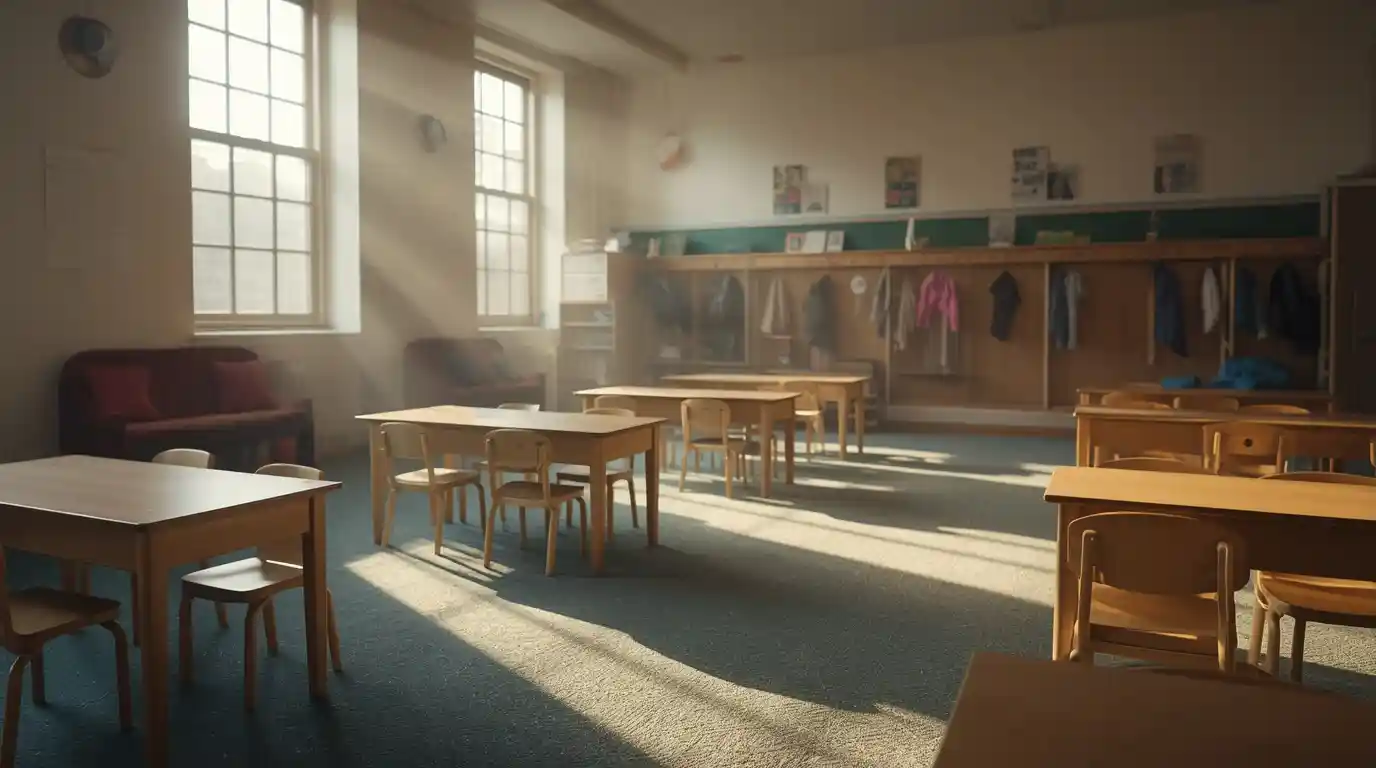
Nascot Wood Infant School in Watford is about to change hands for the first time in more than two decades. Pam Scragg is retiring in September after 21 years as headteacher, and governors have appointed Sallyann Applegarth, currently deputy head at Cassiobury Infant School, to take over. Both schools sit within a short drive of each other in the same part of town.
The numbers here are small, and that is rather the point. Around 180 children attend across Reception, Year 1 and Year 2, with a nursery attached at the front end. It is the infant half of a pair — pupils move up to Nascot Wood Junior School afterwards — so whoever runs it shapes a child's first three or four years of school and nothing after that.
That is why a change at the top carries more weight than the size of the school suggests. Ofsted last inspected in October 2023 and graded it Good overall, with Outstanding in two areas: personal development and early years provision. Applegarth inherits a well-regarded, heavily subscribed school, plus the awkward task of following someone who has been in post since the mid-2000s.
Who is taking over at Nascot Wood Infant School
Applegarth arrives from Cassiobury Infant School, where she is deputy head. Geographically it is a small move. Professionally it is a large one: going from deputy to substantive headteacher is the steepest single step in a primary career, and doing it in a school where the last head stayed 21 years adds a layer of difficulty most new heads never face.
Scragg has said the school is very fortunate to have secured an experienced leader. Appointing from within Watford also has a quiet practical benefit. Someone already working in local infant education knows the Hertfordshire admissions calendar, the feeder nurseries, the county contacts and, realistically, a decent number of the families who will be at the gate.
Why 21 years in one headship is so rare
Most primary heads do not stay anywhere close to that long. Headteacher retention has been a running concern across English state schools for years, with some governing bodies re-advertising the same post more than once. Two decades in a single infant school is not a slower version of normal — it is the exception.
Long tenures cut both ways. Staff know exactly how things run, parents trust the office, and the culture settles — precisely the kind of thing inspectors reward with an Outstanding for personal development. The other side is that a great deal of undocumented knowledge leaves in one go, and routines nobody ever wrote down can be surprisingly hard to rebuild from scratch.

What the Ofsted grades actually say
The 2023 report is the clearest independent picture of what Applegarth is inheriting, and it is worth reading past the headline word. The judgement was split, with two areas rated at the top and three solidly in the middle.
Where inspectors marked the school Outstanding
Personal development and early years provision both came out at the highest grade. Inspectors described a welcoming school that pupils happily attend, and noted the range of activities on offer. For a school taking children from nursery age, an Outstanding for early years is arguably the grade that matters most.
They love to learn and enjoy the exciting activities that the school provides.
Where the grade stopped at Good
Quality of education, behaviour and attitudes, and leadership and management were all rated Good rather than Outstanding. That is a comfortable position, not a warning — but it is also the obvious space for a new head to make her mark, and the area governors will be watching over her first couple of years.
Why that report is the last of its kind
Ofsted has since moved away from the old single-word overall grade towards a new report card format. Whenever the school is next inspected, the results will not line up neatly against the 2023 outcome, so comparing the two will be harder than parents might expect.
What changes for families in September
In the short term, very little. Class organisation, term dates and admissions are largely fixed by law and by Hertfordshire County Council rather than by the head. Infant classes in England are capped at 30 pupils per teacher, so a new headteacher cannot quietly increase class sizes even if demand rises.
The things a head does control tend to show up gradually — assembly routines, homework expectations, how the school communicates, which clubs run after 3pm and which staff take on new responsibilities. Expect the first visible changes around the second half of the autumn term rather than in week one.
What to watch over the next year
If you have a child at Nascot Wood Infant School, or you are applying for a Reception place, three things are worth tracking. Watch the autumn newsletters for how Applegarth sets out her priorities. Keep an eye on the Hertfordshire admissions timetable, which opens in the autumn with a mid-January deadline and offers in April. And if you can, go to the first open morning under the new head — a twenty-minute walk round tells you more about a school than any grade ever printed.

Comments 0