

$2.5 Billion for 1,000 Jobs: The Tomago Smelter Deal
Canberra and Macquarie Street will spend about $250 million a year for a decade so the Hunter Valley's aluminium plant can leave coal behind by 2033.

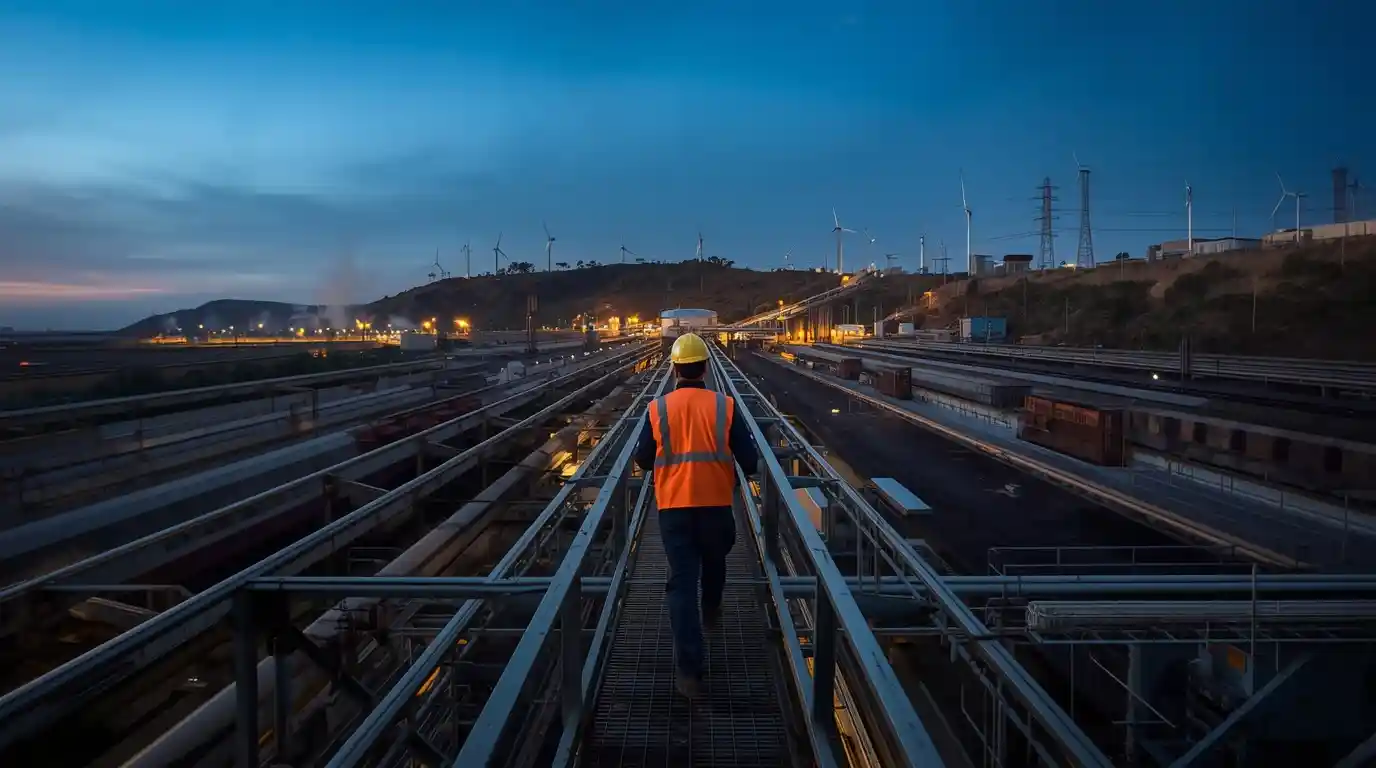
The Tomago smelter deal announced this week locks federal and New South Wales taxpayers into roughly $2.5 billion over the next decade to keep Australia's biggest aluminium plant running. In exchange, the Hunter Valley operation gets a ten-year electricity contract beginning 1 January 2029, and a commitment to run entirely on wind, solar and storage by 2033. About 1,000 people work on the site directly.
Do the blunt sum and that's $2.5 million of public money for every direct job — a figure critics will repeat for years. It isn't the whole picture. Tomago supports roughly 5,000 more roles across Hunter supply chains, produces up to 590,000 tonnes of aluminium a year, and accounts for about 40 per cent of everything Australia smelts.
The plant is also the country's single hungriest electricity customer. It pulls close to 950 megawatts almost without pause, and that load can't simply be switched off — let the pots cool and the metal solidifies inside them. Over a year that's around 8.3 terawatt-hours, on most counts near a tenth of what New South Wales consumes. That appetite is the entire problem, and the reason two governments got involved.
Why taxpayers are paying a power bill, not a cheque
No one is wiring cash to Rio Tinto. The public money closes the gap between what firmed renewable electricity will cost to deliver and what a smelter competing against subsidised Middle Eastern and Chinese metal can afford to pay. RenewEconomy reports the subsidy works out near $35 a megawatt-hour. Snowy Hydro assembles the renewable portfolio and stands behind it with firming, so the plant sees one reliable contract rather than a patchwork of wind farms.
The split matters too. Canberra and Macquarie Street are each carrying roughly half, but only the NSW share is capped. If costs run over, the Commonwealth wears the difference — an open-ended exposure that hasn't drawn much attention yet.
What the $2.5 billion actually buys
A $35 discount on every megawatt-hour
Multiply 8.3 million megawatt-hours by $35 and you land near $290 million a year. Average the announced package across ten years and you get $250 million. The two numbers bracket each other neatly, which suggests the support tapers as more renewables come online and wholesale prices settle. Spread across 6,000 direct and indirect jobs, that's about $42,000 per job per year.
$1.1 billion from the smelter itself
Tomago has committed to spend at least $1.1 billion on the site between now and 2038, including $100 million specifically on cutting emissions. That's the condition that separates this from a straight rescue: the owners are funding relining, upgrades and decarbonisation work rather than harvesting the subsidy and walking away in 2038.
Money back when metal prices run hot
The Commonwealth has negotiated a share of revenue when aluminium prices climb. The mechanism hasn't been published, so nobody outside the negotiating room knows the trigger price or the size of the clawback. It's the single most important unpublished detail in the package.
Why the Tomago smelter deal runs to 2033
The existing coal-backed contract expires on 31 December 2028, which set the deadline. Full renewable supply arrives four years later because roughly 3,000 megawatts of new wind and solar has to be built, connected and firmed first. That's three times the plant's actual draw, because sun and wind don't deliver flat output the way a coal unit does. AGL's 500 MW, 2,000 MWh battery beside the smelter is well placed to help. Between 2029 and 2033, some of the power will still come from the existing grid mix.
Tomago isn't the only smelter in the queue
Rio Tinto struck a comparable arrangement for the Boyne Island smelter in Queensland in March 2026, reportedly worth more than $7 billion in electricity contracts alongside about $2 billion in government support. Bell Bay in Tasmania is still negotiating with Hydro Tasmania. Australia runs four smelters, produces around 1.6 million tonnes a year and ranks sixth in the world — and each plant is now, in effect, negotiating its own energy policy with government.
It means Australia keeps a critical piece of sovereign manufacturing capability, while helping Tomago Aluminium continue competitively producing the aluminium needed for the global energy transition.
That's Jérôme Pécresse, who runs Rio Tinto's aluminium and lithium business. Worth remembering Rio owns 51.55 per cent of Tomago; Gove Aluminium Finance holds 36.05 per cent and Norsk Hydro 12.4 per cent. Sitting behind all of it is the $2 billion Green Aluminium Production Credit, available from 2028–29 for smelters that decarbonise before 2036.
What to watch over the next two years
Three things will tell you whether this works. Watch whether the 3,000 megawatts of generation clears planning and grid connection on time — Australia's record there is poor. Watch whether the revenue-share terms are ever made public, because that's what decides if taxpayers see anything back. And if you're in the Hunter, watch the Bell Bay talks: they'll show whether Tomago set a template or simply a precedent everyone now expects.


Comments 0