

$38 Billion Later, Early Super Access Is Back on the Table
Pauline Hanson wants mortgage-stressed workers to unlock their retirement savings; Jim Chalmers says it would end compulsory super — and Australia has already run the experiment once.

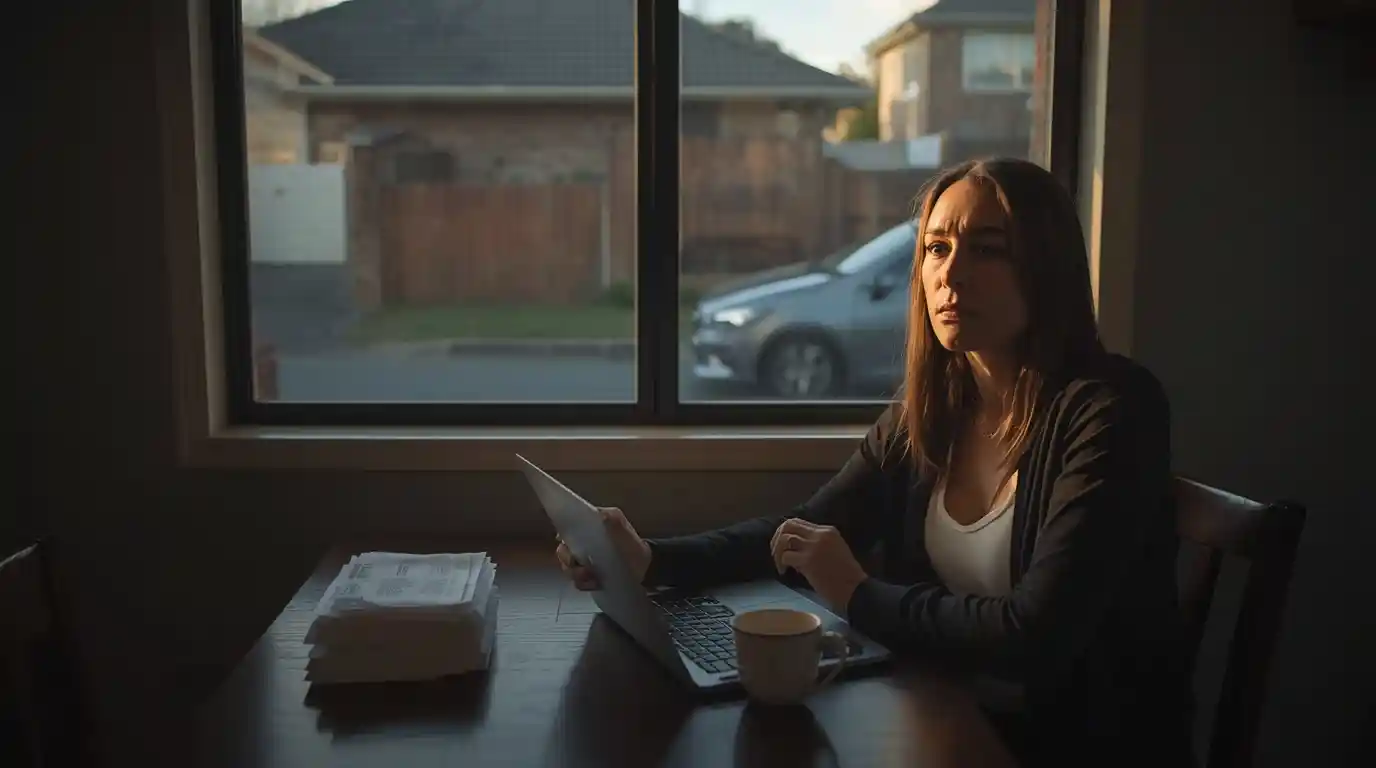
Pauline Hanson has pushed early super access back into the middle of Australia's cost-of-living argument, and Treasurer Jim Chalmers hit back the same day. Speaking on Sunday, the One Nation leader said workers struggling to keep up with mortgage repayments should be able to draw on their retirement savings now instead of waiting decades for it. "It is their money; they've sacrificed it in lieu of pay," she said, describing the current system as broken.
Chalmers did not treat it as a throwaway line. In a statement, he accused One Nation of wanting to destroy compulsory superannuation, and bundled the Liberals and Nationals into the same warning: if any combination of those parties wins the next election, he said, it will be the end of compulsory super for workers. Labor built the system, he added, and will always defend it.
The money involved is enormous. Employers now contribute 12 per cent of ordinary earnings, up from 11.5 per cent on 1 July 2025, and APRA put total superannuation assets at $4.4 trillion as at March 2026. Contributions in the year to March hit $226.1 billion, with $159.8 billion of that coming from employers. Change the rules on who can touch that pool, and when, and you change the arithmetic in millions of households.
What Hanson Actually Put on the Table
There are two proposals here, and they're often blurred together. The first is a broad hardship release — letting people behind on the mortgage or squeezed by bills pull out part of their balance now. The second is narrower and much older: allowing first home buyers to use super for a deposit, which One Nation says it would legislate in government. Both rest on the same argument, that this is deferred wages, not the government's money.
Why the Treasurer Swung So Hard, So Fast
The speed of the response tells you this is being fought as an election issue, not a policy seminar. Compulsory super has been a Labor identity project since the Keating government legislated the guarantee in 1992, and Chalmers is treating any loosening as the thin end of a wedge rather than a discrete measure.
"This is the single biggest threat to the superannuation system in four decades."
He has help making the case. Liberal frontbencher Andrew Bragg called compulsory super one of the biggest public policy failures since federation, then backed away from the description after criticism inside his own party. That single sentence now does a lot of work for Labor, because it lets the Treasurer argue the two parties are converging on the same destination from different directions.

What Early Super Access Did Last Time
Australia doesn't have to guess at the consequences. The Morrison government ran a version of this in 2020, and the results have been studied hard since.
The $38 Billion That Walked Out the Door
Two withdrawal windows — 20 April to 30 June 2020, then 1 July to 31 December — let people take up to $10,000 each time. Roughly $38 billion left the system. It was fast, it was popular, and it delivered cash to households during a genuine shock. On that narrow test, it worked.
The Bill That Arrives Decades Later
The long tail is uglier. ASFA has estimated the scheme will cost taxpayers between $75 billion and $85 billion by the end of the century through higher age pension outlays and lost super tax receipts — about double what was withdrawn. A 30-year-old who took the full $20,000 could retire with roughly $93,600 less. Today's 20-year-olds, who took nothing, are projected to pay about $3,000 more tax each to cover it.
Where the Money Actually Went
Research from ANU and George Washington University tracked bank transactions from the period and found a meaningful share of the withdrawals went to discretionary spending — takeaway food, furniture, gambling. That finding is the one Labor will keep repeating, because it undercuts the premise that emergency access reliably lands on emergencies.
The Home Deposit Idea Keeps Coming Back
The Coalition took a policy to the 2022 election letting first home buyers withdraw up to 40 per cent of their super balance. It lost. The standing objection from housing economists is simple: handing buyers more cash without adding supply mostly shows up in the price, so the deposit gets bigger and so does the loan. Hanson's version would face the same test.
What to Watch Before the Next Election
If you're under mortgage stress right now, this debate doesn't change anything today — but note that limited hardship pathways already exist through the ATO for severe financial hardship and compassionate grounds, with strict tests, and they're worth checking before any of this becomes policy. Three things to watch: whether the Coalition revives a super-for-housing policy, whether the 12 per cent guarantee itself comes under attack rather than just the preservation rules, and whether Labor moves first with its own hardship carve-out to defuse the issue.




Comments 0