

8 Weeks, No Tuition: Free Trades Training in Regina
A Regina centre runs short, tuition-free courses that end on a job site instead of a stage — and the fall intake starts in September.

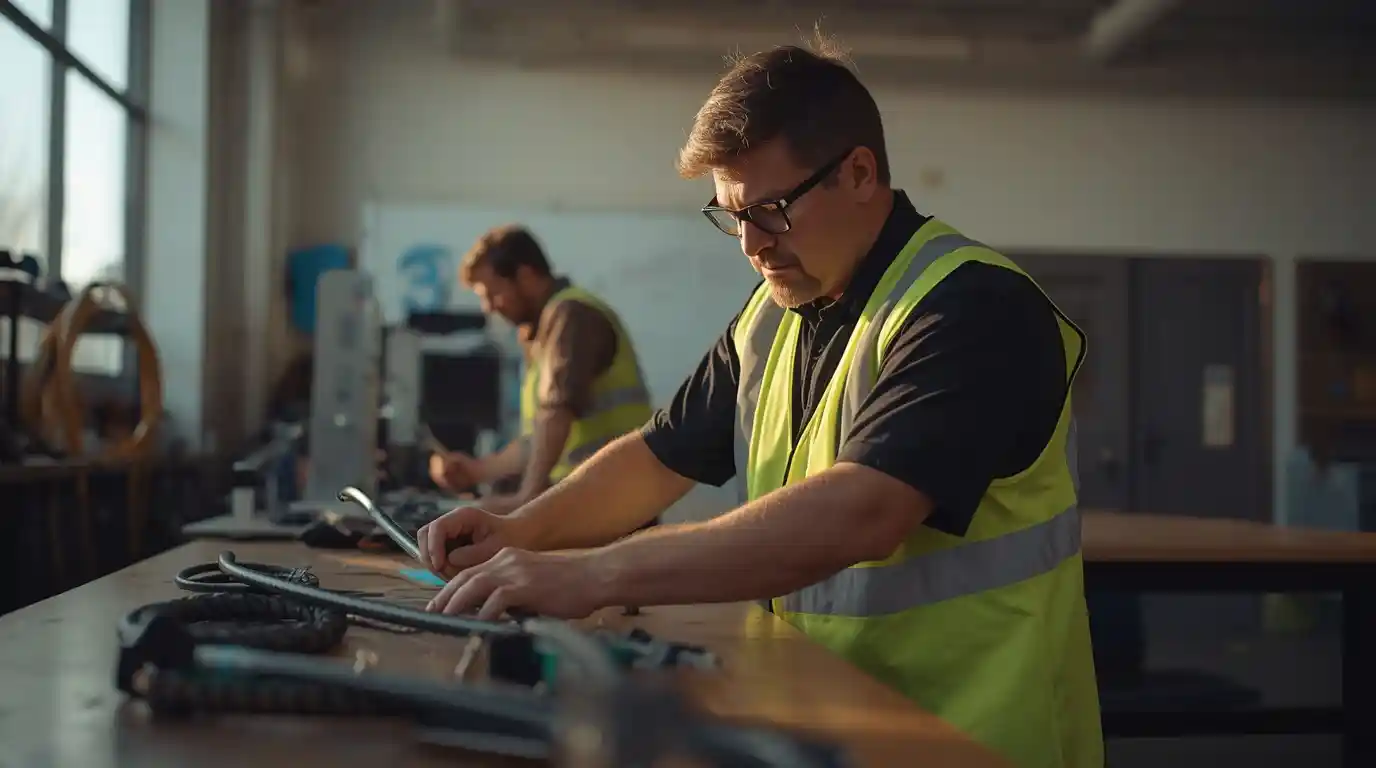
Free trades training in Regina is doing something a lot of pricier programs struggle with — it gets people onto a real job site in weeks rather than years. At the Regina Trades and Skills Centre on Albert Street, courses run eight or nine weeks, cost the student nothing, and finish with a work placement instead of a convocation. CJME and CKOM reported on Aug. 13 that the latest group is now heading for that step.
The model is deliberately small and deliberately quick. Two courses open this fall: a Personal Support Assistant program running eight weeks from Sept. 8 to Oct. 30, and a Child Care Educator program running nine weeks from Sept. 14 to Nov. 13. Earlier intakes have covered carpentry, electrical, concrete, drywall, painting and roofing — fields where a shop can hire on a Monday and put you to work.
One of the students is Jacob Picard, who moved to Regina from Ontario and started the electrical course with almost no experience behind him. His program ends with a two-week placement, and the hope on both sides is that it turns into a full-time job — then more hours, then back to class to climb the apprenticeship ladder toward journeyperson papers.
Eight weeks, no tuition, one job site
Short is the whole point. Most people who need a career change can't stop earning for two years, and a lot of them can't borrow either. A course measured in weeks fits into a gap between jobs, a parental leave, or the stretch after arriving in a new country. The centre describes its own purpose bluntly: getting people their boot in the door.
It's an entry ramp, not a shortcut around the trade. Nobody walks out of a nine-week course as a certified journeyperson. What you walk out with is enough safety knowledge, tool time and paperwork to be worth hiring as a first-year hand, which is exactly the step most people find impossible to take on their own.
How free trades training turns into a paycheque
The sequence matters more than the classroom hours, because each stage only works if the one before it did. Here's how the pieces connect.
The classroom and shop weeks
Instruction is hands-on and run by people who've worked the trade. Students pick up the basics, the safety tickets employers ask for before you set foot on a site, and the habits — showing up, asking questions, cleaning your area — that decide whether a supervisor keeps you around past the first week.
The two-week placement
This is the part that separates the centre from a night class. A student like Picard finishes with a short unpaid-to-paid trial on a real crew. Two weeks is long enough for an employer to judge attitude and reliability, and short enough that taking a chance on an unknown costs them very little.
What comes after the placement
If the trial converts, the student starts logging hours. Those hours feed an apprenticeship, which sends them back to school in blocks, level by level, until the journeyperson exam. One testimonial posted on the centre's site describes a graduate reaching roughly $25 an hour — comfortably above Saskatchewan's minimum wage — while another reports being promoted to supervisor after training in 2021.

Who actually pays for the seats
Students don't, so someone else does. In August 2024 the Government of Saskatchewan announced $1.92 million shared between the Regina and Saskatoon trades and skills centres to keep skills training running and cover administration. Spread across multiple intakes in two cities, that's a modest per-seat cost by the standards of post-secondary funding — and the province is buying trained workers, not just course completions.
That framing explains the design. Programs appear and disappear based on what employers say they need, which is why one fall brings personal support and child care while another brought roofing and concrete. It also means the course list is a fairly honest signal of where Regina is actually short of people.
Why this route suits some people and not others
If you already know you want a full diploma, a longer program at a polytechnic will take you further. If you're changing direction at 35, supporting a family, or holding foreign credentials that nobody here recognises, a tuition-free eight-week course with a placement attached is a far more realistic first move than another two-year commitment.
The trade-off is narrowness. You're trained for one entry point, and if the placement employer doesn't hire, you're job-hunting with a short certificate and two weeks of site experience. That's still a much better position than a blank résumé, but it isn't a guarantee, and the centre doesn't pretend otherwise.
What to check before you apply
A few practical things are worth sorting out before the September start dates, because these intakes close when the course begins rather than rolling all year:
- Whether the specific course requires a driver's licence, criminal record check or minimum English level
- How you'll cover living costs during eight or nine weeks of full-time attendance
- Whether the placement is in a part of the city you can reliably reach
- What the next course list looks like, if this fall's two options don't fit you
If either fall program suits you, contact the centre now rather than in early September — the Personal Support Assistant course begins Sept. 8 and Child Care Educator on Sept. 14, and intake paperwork takes time. If neither fits, watch the upcoming-courses page over the winter; the trades on that list change with demand, and the next one may be the one you've been waiting for.




Comments 0