

84 Years On, Monaco Turns 'Sada Salty Raho' Into a Song
Parle has extended its Monaco campaign into a music video with Orry, Chaar Diwaari and The Siege — the clearest sign yet that FMCG brands now want to be played, not watched.


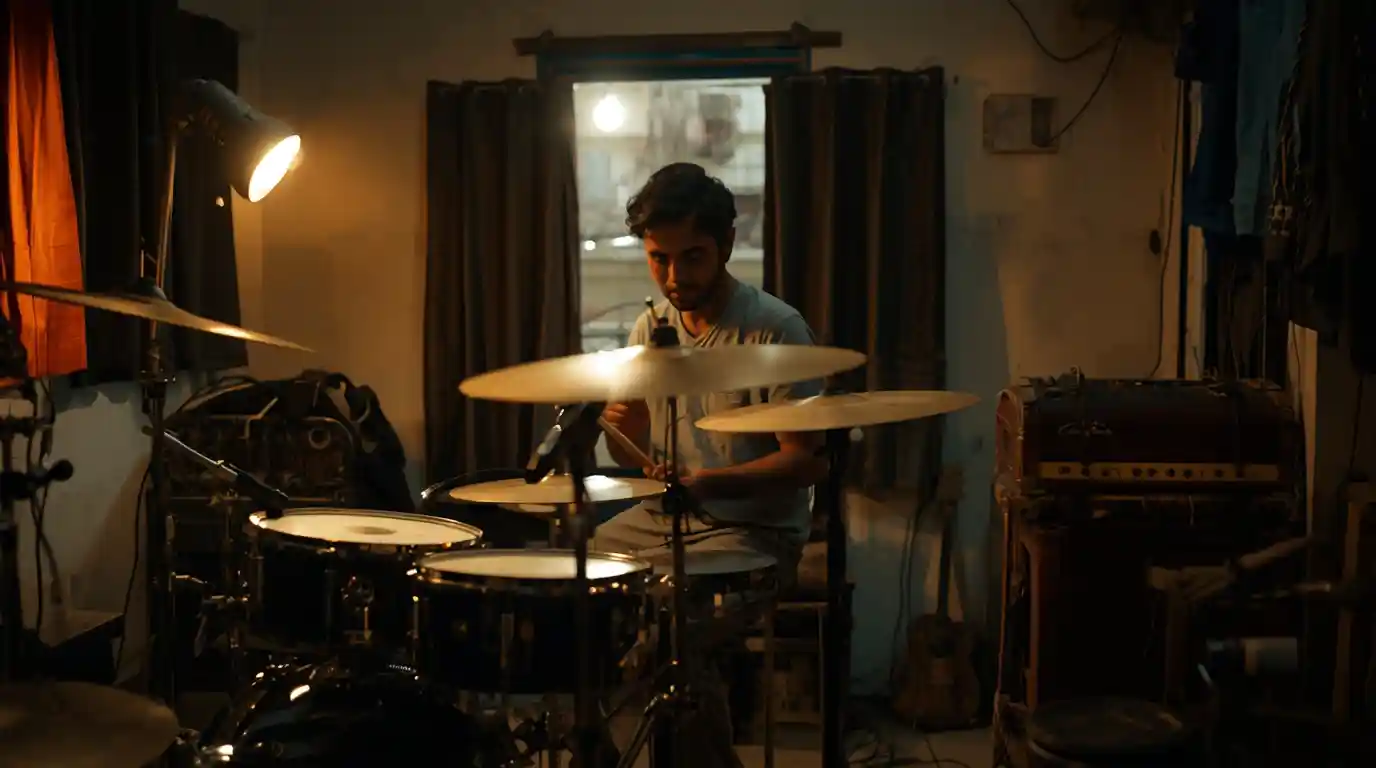
Parle has turned 'Sada Salty Raho' from an advertising line into an actual piece of music. On 20 August, the biscuit maker released what it is calling the Monaco Anthem — a music video fronted by internet personality Orry, alongside rapper Chaar Diwaari and the artist known as The Siege. It is the second act of a campaign that only launched on 11 July, which is a fast follow-up by FMCG standards.
The number worth holding on to here is 84. Monaco was introduced in 1942 as India's first salted cracker, which makes it older than the Republic. A biscuit that has been sitting beside cups of chai in Indian homes since before Independence is now anchoring a rap-adjacent music drop pitched at people born after 2000. That gap — between the product's age and the audience it's chasing — is the whole story.
For anyone who buys groceries in India, this matters more than it looks. Parle Products posted revenue of roughly ₹17,223 crore in FY23, with net income near ₹905 crore. When a company that size stops making thirty-second films and starts making songs, it's a signal about where the next few years of snack advertising are heading — and about who brands think is deciding what lands in the trolley.
From a July Ad Film to an August Anthem
The original campaign put Orry at the centre of something called the 'Salty Public Party', using humour and creator-led storytelling to link Monaco's salt-forward taste to a generation that would rather be blunt than agreeable. It ran social-first — built for phone screens, not television breaks. The music video extends that same idea into a format young audiences actually seek out rather than skip.
Mayank Shah, Chief Marketing Officer at Parle Products, framed the logic simply when the anthem went out.
"Monaco has always had a distinctive personality, and 'Sada Salty Raho' builds on that in a contemporary and relevant way."
Parle has not publicly named the creative agency or the director behind the anthem, and no composer credit has been shared either. That's unusual for a campaign this visible, and it's worth noting rather than guessing at.
The Three Names on the Track
The casting is doing a lot of the work here, and each name brings a different audience.
Orry, the internet's professional guest
Orry became famous for being present — at parties, at premieres, in the frame — long before he was famous for doing any one thing. That makes him an odd but efficient fit for a brand built on being unmistakable. He carries reach without genre baggage, which is exactly what a mass-market biscuit needs when it wants to feel current without alienating the family already buying it.
Chaar Diwaari and The Siege bring the credibility
Chaar Diwaari, born Garv Taneja, is a New Delhi emcee, producer and songwriter known for work that's deliberately unsettling rather than radio-friendly. Rolling Stone India included him in its Future of Music list for 2024. Pairing him with The Siege gives the track something a celebrity face alone cannot buy: the sense that real music people made this, not a jingle department.
Why a 1942 Cracker Is Chasing Gen Z
Legacy biscuit brands in India face a slow, quiet problem. They are not losing customers dramatically; they're simply ageing with them. Monaco's competition is no longer just other crackers — it's chips, nachos, popcorn, protein bars and every namkeen brand that has learned to look good on Instagram. Staying on the tea tray is not the same as staying relevant.
A music release solves a distribution problem too. An ad has to be bought into feeds. A track that people genuinely like gets shared, clipped, used as background audio and turned into Reels by strangers for free. That's the arbitrage brands are chasing — paid reach converting into organic reach.
Can 'Sada Salty Raho' Outlast the Scroll?
Brand anthems have a poor survival rate. Most get a strong first weekend, then vanish because the song was written to serve a tagline rather than to be listened to. The test for this one is whether anyone plays it a month from now without a Monaco pack in sight, and whether the collaborators' own listeners accept it instead of treating it as a paid detour.
There's a second risk. Orry's appeal rests on being in on the joke, and campaigns built on irony can curdle fast if the audience decides the brand is trying too hard. Monaco's advantage is that being salty is a genuine product truth, not a borrowed one — the line survives even if the meme cycle doesn't.
What to Watch Over the Next Few Weeks
Three things will tell you whether this worked. First, does the anthem land on streaming services and get used as Reels audio, or does it stay parked on brand channels? Second, does Parle commission a follow-up track — a one-off is an experiment, a series is a strategy. Third, watch the shelves through the festive quarter for limited packs or on-pack tie-ins, the usual sign that a campaign is being backed with real trade spend.
If you're in marketing, the practical takeaway is cheaper than it looks: the format shift matters more than the celebrity. Pick a product truth that can survive being sung, then find collaborators whose audiences already trust them. If you're just here for the biscuit, nothing changes — Monaco still costs what it did, and it still tastes of salt.


Comments 0