

A $1.2 Billion Deal Explains Your Restaurant Follow-Up Emails
The thank-you note in your inbox the morning after dinner isn't from a grateful manager — it's the output of a guest-data industry that DoorDash just paid $1.2 billion to own.

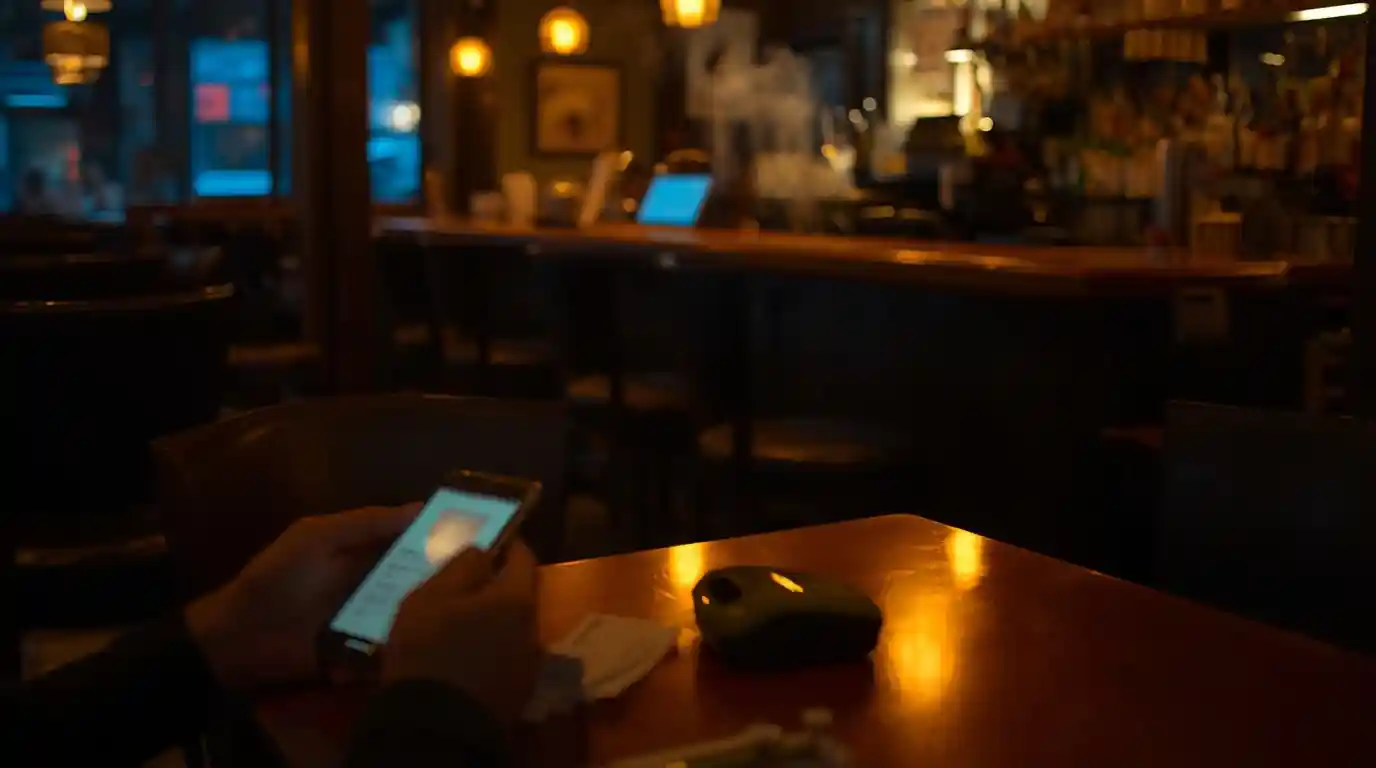
Restaurant follow-up emails have quietly become one of the most automated parts of eating out in America. You book a table, you eat, you pay, you go home — and by the next afternoon there's a message waiting from a place you visited exactly once, written in the tone of someone who genuinely missed you. It reads like a note from a friend. It was assembled by software that never saw your face.
The machinery behind that note carries a price tag now. DoorDash agreed to buy SevenRooms, a New York guest-data and reservations company founded in 2011, for $1.2 billion in cash. CNBC reported the agreement on May 6, 2025, and DoorDash's own quarterly filing confirms the deal closed on June 13 of that year. SevenRooms doesn't cook anything or deliver anything. It stores who you are, what you ordered, where you sat and how long it's been.
That's the piece most diners never see. The warm email isn't a gesture from a manager who liked your table. It's the last visible step in a chain that links your reservation to your card swipe to a marketing queue — and the biggest names in American food tech are now spending billions to own that chain end to end.
The $1.2 Billion Bet on Your Dinner Table
DoorDash bought an ad-tech firm, Symbiosys, in the same stretch. Read together, the purchases describe a company that no longer wants to just move burritos across town. It wants to sell restaurants the software that runs the dining room, and the guest file that comes with it. Restaurant Dive framed the SevenRooms deal as DoorDash walking through the front door of the restaurant for the first time.
The economics explain the enthusiasm. SevenRooms' own 2026 data report puts repeat diners at 27% more profitable than first-timers, and finds that targeted automated emails generate 16 times more revenue per message than mass blasts. Restaurants run on margins measured in single digits. Getting you back a second time is cheaper than finding someone new.
Who Actually Sends Restaurant Follow-Up Emails
Almost never a person sitting down to write to you. Two separate pipes feed your inbox, and most diners have been in both without noticing. Which one triggered depends on how you booked and how you paid.
The Reservation You Made Three Months Ago
Resy's published guidance for restaurants openly describes post-visit messages — ask for a review, dangle a reason to return, push the loyalty program. Restaurants on Resy can pull guest emails and visit history into a customer database and build campaigns from it. Industry comparisons of the major platforms note that OpenTable tends to keep diner contact details inside its own network instead of handing them over.
The Card You Tapped at the Table
The second pipe runs through the register. Point-of-sale systems like Toast and Square now connect straight to marketing tools such as Klaviyo, so a completed check can trigger a message on its own, typically within 24 to 48 hours. This is why an email can arrive even when you never handed over an address — a digital receipt, a loyalty signup or the person who booked for the group supplied it.

Why It Lands the Very Next Day
The timing is a deliberate setting, not a coincidence. Marketing platforms treat the day after as the sweet spot: you still remember the short rib, you haven't yet mentally filed the night away, and a review request has its best chance of getting answered. The same window is when a discount feels like gratitude rather than a bribe. Push it out a week and the response rate falls off.
What the Law Actually Lets You Demand
Federal law here is thinner than most Americans assume. The CAN-SPAM Act doesn't require a business to get your permission before that first commercial email — it regulates what happens after. Under the FTC's compliance guidance, a sender must honor your opt-out within 10 business days, and the unsubscribe mechanism has to keep working for at least 30 days after the message went out.
There are limits on how hard they can make it. A company can't charge you, can't demand personal details beyond your email address, and can't force you to do more than reply or click through to a single web page. Penalties reach $53,088 per individual email as of January 17, 2025, adjusted annually for inflation, with no cap on the total.
How to Get Out of the Loop
A few minutes of housekeeping does more than complaining to the host stand:
- Use the unsubscribe link, not the spam button — spam-flagging protects your inbox but leaves your record in the restaurant's database intact.
- Check your reservation platform's account settings, where marketing consent usually lives separately from the restaurant's own list.
- Decline the emailed receipt at checkout and take paper when you'd rather not be logged.
- Consider a dedicated address for bookings, so the follow-ups pool somewhere you can ignore them.
Watch what happens as DoorDash folds SevenRooms into its wider platform. The open question isn't whether a bistro in Chicago knows you like the sea bass — it's whether that fact eventually travels to a delivery app, a loyalty program and an ad network that already knows your address. If the next email mentions something you never told that restaurant, the systems have already merged.

Comments 0