

A Filed-Off Serial Number Cracked the Parma Museum Art Heist
Thieves scrubbed the serial numbers off the tools they abandoned at an Italian villa museum — Carabinieri forensic technicians rebuilt them anyway, and five people are now in custody.

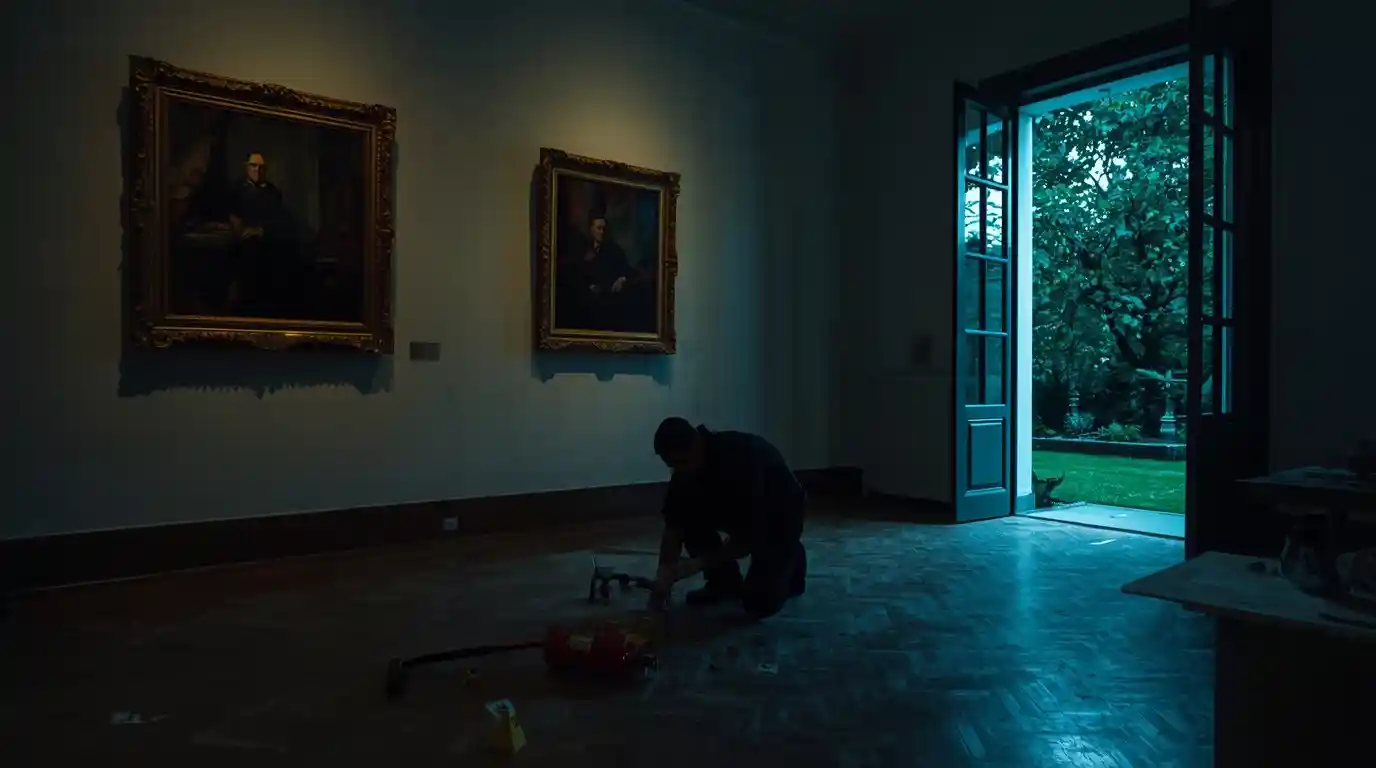
The Parma museum art heist that stripped three frames off a villa wall in under three minutes has been cracked, and the break came from two things the thieves threw away. They left a pickaxe and a fire extinguisher behind at the scene. Both had their serial numbers deliberately filed off. Italian forensic technicians rebuilt the numbers anyway.
Five people have been detained, and the missing Renoir, Cézanne and Matisse — worth more than €9 million together, roughly C$14 million at current rates — were pulled out of a cardboard box in a hallway closet during a house search. The Carabinieri art recovery squad announced the find in mid-August, just under five months after the March break-in near Parma, in northern Italy.
That ending is rarer than it sounds. Most stolen paintings are simply gone. Canada's best-known case, the 1972 robbery at the Montreal Museum of Fine Arts, is still open more than fifty years later and the works have never come home. What separated Parma wasn't a tip-off or a ransom call. It was a lab bench and a pile of metal the crew assumed was untraceable.
How a Filed-Down Pickaxe Gave the Thieves Away
The break-in happened overnight on 22–23 March at the Magnani-Rocca Foundation, a private collection housed in a rural villa about 20 kilometres south of Parma. Masked intruders came in through a window, took three works and were back outside within about three minutes — partly because the alarm system tripped and sent them running across the gardens. Speed like that usually means the trail goes cold fast.
The Serial Numbers That Came Back
Instead, the crew's own caution betrayed them. Removing a serial number by grinding or filing doesn't erase it — stamping the digits deforms the metal's crystal structure underneath, and that deformation survives the surface being taken off. Forensic officers restored the numbers on both the pickaxe and the extinguisher, then traced them to an apartment building in the Parma area that one of the suspects could get into.
The Cardboard Box in the Hallway Closet
From there, prosecutors in Parma and neighbouring provinces ordered a round of searches. The three works were sitting in a box in a hallway cupboard at one suspect's home, according to reporting by the Associated Press and the Art Newspaper. All five people detained were born in Moldova and live in the Parma area, and investigators believe they belong to a group behind a string of break-ins at houses and businesses.
Why the Parma Museum Art Heist Took Three Minutes
Compare the target to a national museum and the arithmetic gets uncomfortable. The Magnani-Rocca Foundation was set up in 1977 by the collector Luigi Magnani and opened to the public in 1990. It holds Dürer, Titian, Rubens, Van Dyck and Goya in a converted country house surrounded by parkland — world-class holdings, but not a downtown fortress with guard rotations and a police station five minutes away.
The alarm did its job. It just couldn't do the rest of the job. In a rural setting, a working alarm buys you the time it takes a patrol car to drive in from town, and three minutes is comfortably inside that gap. Detection and response are two different problems, and small institutions almost always solve only the first.
What the Three Works Are Actually Worth
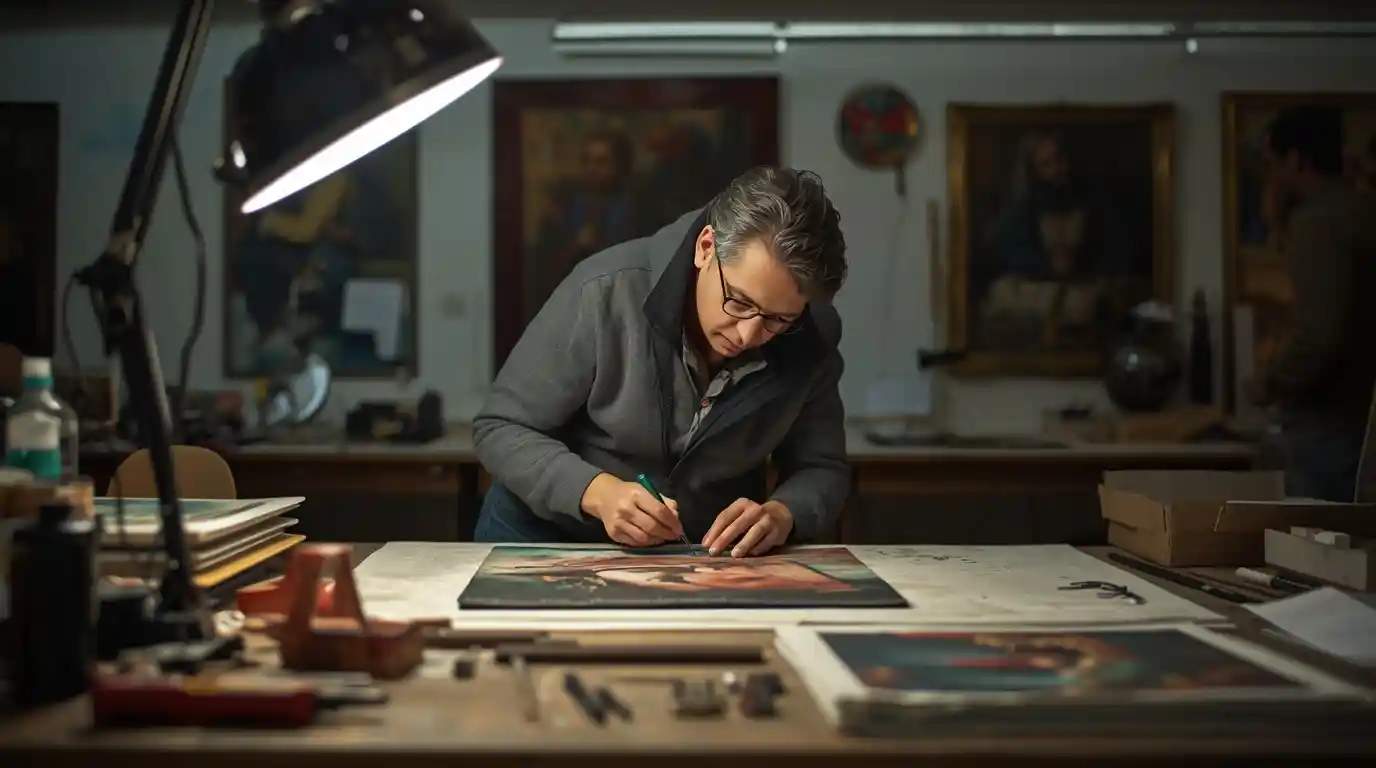
The valuations reported by police say something interesting about the people who took them:
- Paul Cézanne, Tasse et Plat de Cerises (Cup and Plate of Cherries), around 1890, pencil and watercolour — about €6 million, roughly C$9.4 million.
- Pierre-Auguste Renoir, Les Poissons (The Fish), 1917 — about €3 million, roughly C$4.7 million.
- Henri Matisse, Odalisque sur la Terrasse (Odalisque on the Terrace), 1922, a colour aquatint print — about €20,000, roughly C$31,000.
One of those is not like the others. The Matisse is a print worth about what a used car costs, taken in the same armful as a watercolour valued at three hundred times more. That mix points to a crew grabbing frames off a wall, not connoisseurs filling an order.
Why Rural Museums Keep Getting Hit
Stolen blue-chip art is nearly impossible to sell. A registered Cézanne has no legitimate buyer anywhere, which is why so much of it ends up hidden, used as underworld collateral, or quietly abandoned. That same week, eight Matisse illustrations taken from a São Paulo library in December were recovered in a Brazilian suburb, while five works by the Brazilian painter Cândido Portinari from that theft are still missing.
Registration is the part the public tends to skip. Interpol's stolen art database holds close to 57,000 items, and it only helps if a work is documented before it disappears. Canada has hundreds of small regional galleries, historic houses and community collections in exactly the Magnani-Rocca position — real holdings, modest budgets, long response times. Most of what they own has never been photographed to a standard a police file could use.
What to Watch in the Months Ahead
Detention is not conviction, and Italian prosecutors still have to build the case; the investigation is described as ongoing, and the number of people actually inside the villa that night has been reported inconsistently. The next markers worth watching are the condition report on the three works, whether they return to public display, and whether investigators tie this group to other unsolved raids in the region. If you look after a collection of any size — a gallery, an estate, a family's inherited pieces — the cheap lesson here is the one that worked: photograph everything, record dimensions and marks, and file it somewhere a police force can search.

Comments 0