

A Gaming Career in India Now Pays Least for Playing
India outlawed every online money game and recognised esports as a sport within the same year — and the earnings data shows where the money actually sits now.

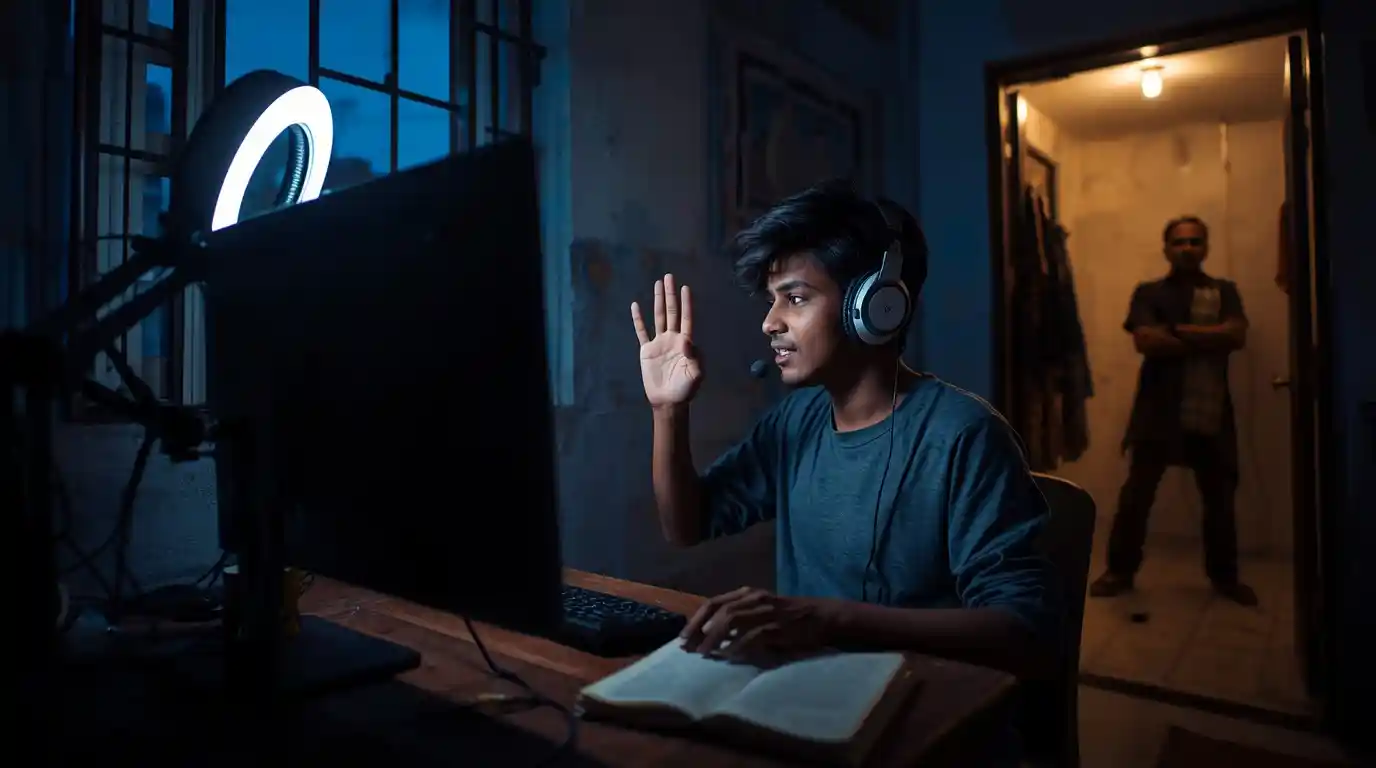
A gaming career in India in 2026 looks almost nothing like the one behind the headline doing the rounds this month. Business Insider ran a first-person account from a college dropout who wrote that his parents thought he was wasting his life on video games, and that he was a millionaire by 27. The headline travels well. The route behind it does not — because here, one of the most common ways of turning game time into cash became a criminal offence last year.
Parliament passed the Promotion and Regulation of Online Gaming Act in August 2025. The rules under it came into force on 1 May 2026, and they are blunt. Every online money game is banned, whether it turns on skill or on luck, with prison terms reported at up to five years for repeat offenders. TechCrunch put the size of the industry that ban landed on at roughly $23 billion.
The same law pulls hard in the opposite direction for everything else. Esports is formally recognised, and is treated as a competitive sport under the National Sports Governance Act, 2025. India had around 511 million players in 2025, a number expected to cross 550 million this year. So the question was never whether games pay in this country. It's which part of them you're still allowed to get paid for.
Why That Millionaire Story Doesn't Transfer
Single success stories are survivorship bias with a byline. One person clearing a crore-plus by 27 tells you the ceiling exists, not that the staircase does. And the ladder that's available in the US, where real-money skill games and fantasy contests sit legally next to streaming and merch, has had a full rung sawn off in India. Copying the playbook line by line will, at some point, get you prosecuted.
How a Gaming Career in India Pays in 2026
Strip out the banned category and the earnings mix that's left is surprisingly lopsided. The money is real, but it arrives from the parts of the job that look least like gaming — the talking, the teaching, the building. Here's where it actually comes from.
Streaming, Sponsors and Coaching Fees
Streaming income, brand endorsements and paid coaching together account for an estimated 60–70% of what India's top-tier esports athletes earn. Read that again as a career plan: for the country's best competitive players, roughly two-thirds of the cheque has nothing to do with winning a match. Tournament results function as marketing. The invoice gets raised somewhere else entirely.
Making the Games Instead of Winning Them
The steadier money is on the other side of the screen. India employs roughly 100,000 people in game development and related interactive media work, and the government's stated target for its wider "orange economy" push is 20 lakh jobs. India's core games market — software plus in-game purchases — crossed $1.04 billion in 2025 and is tracking towards about $1.2 billion this year. Artists, designers, QA testers and live-ops staff all draw from that.
Prize Money Is the Thin Slice
Prize pools grab the headlines and pay the fewest people. A tournament purse splits across a handful of rosters in a single title, in a single season, with no floor under a bad year. Treating it as your primary income is closer to a lottery ticket than a salary — which is precisely why the pros who last have moved their earnings onto subscriptions, retainers and contracts.

The Line India's New Rules Draw
The framework sorts online gaming into three buckets, and knowing which one you're in matters more than your rank. Online money games — anything where a user pays in expecting money back — are banned outright. Esports is recognised and promoted, with academies and incentive schemes attached. Online social games are permitted. Esports and social game operators register with the Online Gaming Authority of India, set up under MeitY.
What ₹250 Crore of Creator Labs Buys
Budget 2026 allocated ₹250 crore to set up Creator Labs across 15,000 secondary schools and 500 colleges. That's a small line item nationally — under ₹2 lakh per institution on average — but it's the first time gaming and creator skills get treated as curriculum rather than distraction. For a 17-year-old arguing with parents at the dinner table, a government-funded lab on campus is a more useful weapon than any millionaire's Instagram.
What to Check Before You Drop Out
The dropout part of these stories is the most copied and the least examined. If you're seriously weighing it, work through this list honestly before you inform anyone at home.
- Are you already earning from streaming, coaching or contract work — with bank statements, not promises?
- Is your income legal under the 2026 rules, or does any part of it involve entry fees and cash payouts?
- Could you rebuild the same skill into a studio job — art, design, QA, community, live ops — if competing stops working?
- Do you have twelve months of runway that isn't your parents' savings?
Watch the enforcement, not the hype. The Online Gaming Authority is new, and how aggressively it reads the money-game definition through the rest of 2026 will decide which apps and side hustles survive. If your plan depends on a grey area, assume the grey goes away. Build the income that streaming, teaching and studio work can support — then, if you want, quit the course.




Comments 0