

A Million Child Referrals and a Therapy Speak Warning
Clinical psychologist Tanya Byron says borrowing diagnostic language for ordinary distress makes real suffering harder to see — just as NHS children's referrals hit a record high.
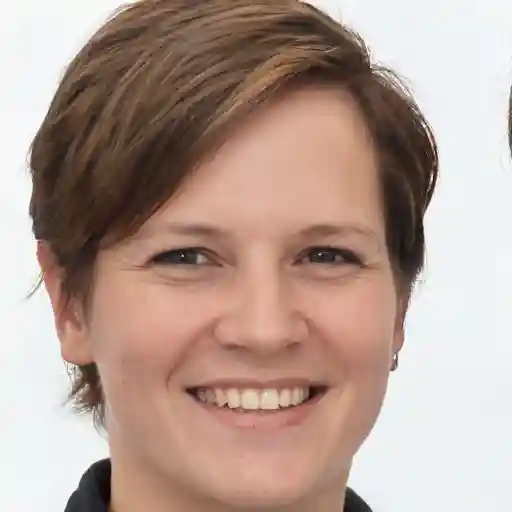

Therapy speak has crept so far into everyday British conversation that most of us use it without noticing. We say a slow reply triggered us, that a tense meeting was traumatic, that a difficult colleague is a narcissist. Professor Tanya Byron, a consultant clinical psychologist with more than thirty years in practice, thinks the habit has gone too far — and she has written a whole book about why.
The timing is pointed. Children's Commissioner analysis of NHS data found that 1,048,965 children in England had an active referral to mental health services during 2024-25, the highest figure since the office started tracking it. That is more than one child in every ten, and almost double the number recorded six years earlier. Referrals climbed nearly 10 per cent in a single year. Real-terms spending rose 2 per cent, to £1.1 billion.
So the queue is really the story. More than a third of those children were still waiting for treatment. The average wait in the year to March 2025 was 128 days, and over 60,000 children had been waiting longer than two years. Byron's concern is that when everybody talks in diagnostic language, the people who genuinely need a clinician become much harder to pick out.
Who Tanya Byron Is, and Why People Listen
Byron is not a newcomer with a contrarian take. She has written a weekly advice column for The Times since 2005, fronted BBC parenting series including Little Angels and The House of Tiny Tearaways, and advised government on children's digital safety. Her 2014 memoir, The Skeleton Cupboard, described her training years on psychiatric wards. Her sixth book, You Are Not a Diagnosis: The Therapy-Speak Trap and the Lost Art of Listening to Ourselves, is published by Penguin Life on 3 September, priced £18.99.
The Words That Quietly Changed Meaning
None of these terms started out as insults or slang. Each began life as a precise clinical description, then drifted outwards until it covered almost any unpleasant experience. Psychologists have a name for the drift: concept creep, coined by Nick Haslam in a 2016 paper that tracked how abuse, bullying, trauma, addiction and mental disorder all broadened at once.
'Triggered' left the consulting room
In trauma treatment, a trigger is a specific cue that sets off an involuntary flashback or panic response — a smell, a sound, a date. Used loosely, it now means annoyed, offended or mildly uncomfortable. The problem is that the word still carries clinical weight, so a real trauma response and a bad mood end up sharing one label.
'Trauma' now stretches to almost anything
Haslam calls this vertical creep: the same word sliding down to cover far less severe events. Trauma once meant a threat to life or safety. It now routinely covers disappointment, embarrassment and ordinary loss. Byron's argument is that grief, stress and fear are supposed to hurt, and that calling them disorders removes any expectation they will pass.
'Anxiety' became a condition, not a feeling
Anxiety is the single biggest reason children are referred to NHS mental health services, accounting for 16 per cent of referrals in the year to March 2025. Some of that is genuine illness. Some is a nervous system doing exactly what it evolved to do before an exam, an interview or a move.

What Therapy Speak Costs the NHS Queue
This is where language stops being an argument about manners. Referrals for suspected autism jumped from 65,530 to 96,393 in one year — a rise of almost 50 per cent — and made up 9.2 per cent of the total. Rising awareness genuinely finds children who were missed for decades. But every referral joins the same queue, and the queue is finite.
Isn't This Just Telling People to Toughen Up?
It is the obvious objection, and it deserves an answer. Britain spent years persuading people that mental illness is real and worth treating, and plenty of adults still go undiagnosed. Byron is not disputing that. Her point is narrower: pathologising normal distress is a poor substitute for services, and it does not shorten anybody's wait. The 128-day average is a supply problem as much as a demand one.
How to Describe a Bad Week Without a Label
The practical version of Byron's case is fairly modest. Before reaching for a diagnostic word, try describing the actual feeling and what caused it. It is slower, and far more useful to a GP.
- Say what happened and how long it has lasted, rather than naming a condition.
- Treat a social media checklist as a prompt to talk to someone, not a verdict.
- Keep clinical words for clinical situations, so they still mean something when you need them.
Two things are worth watching this autumn. The book lands on 3 September, and the reaction from clinicians and campaigners will tell you how much appetite there is for this argument. Then, next spring, the Children's Commissioner publishes another year of referral data. If waits are still measured in years, the language debate will matter far less than the staffing one.




Comments 0