

Canada U.S. Trade Talks Snag on Lumber, Milk and Booze
With a 50 per cent tariff deadline days away, negotiators in Washington are stuck on softwood lumber, auto parts, dairy quotas and American drinks on provincial liquor shelves.

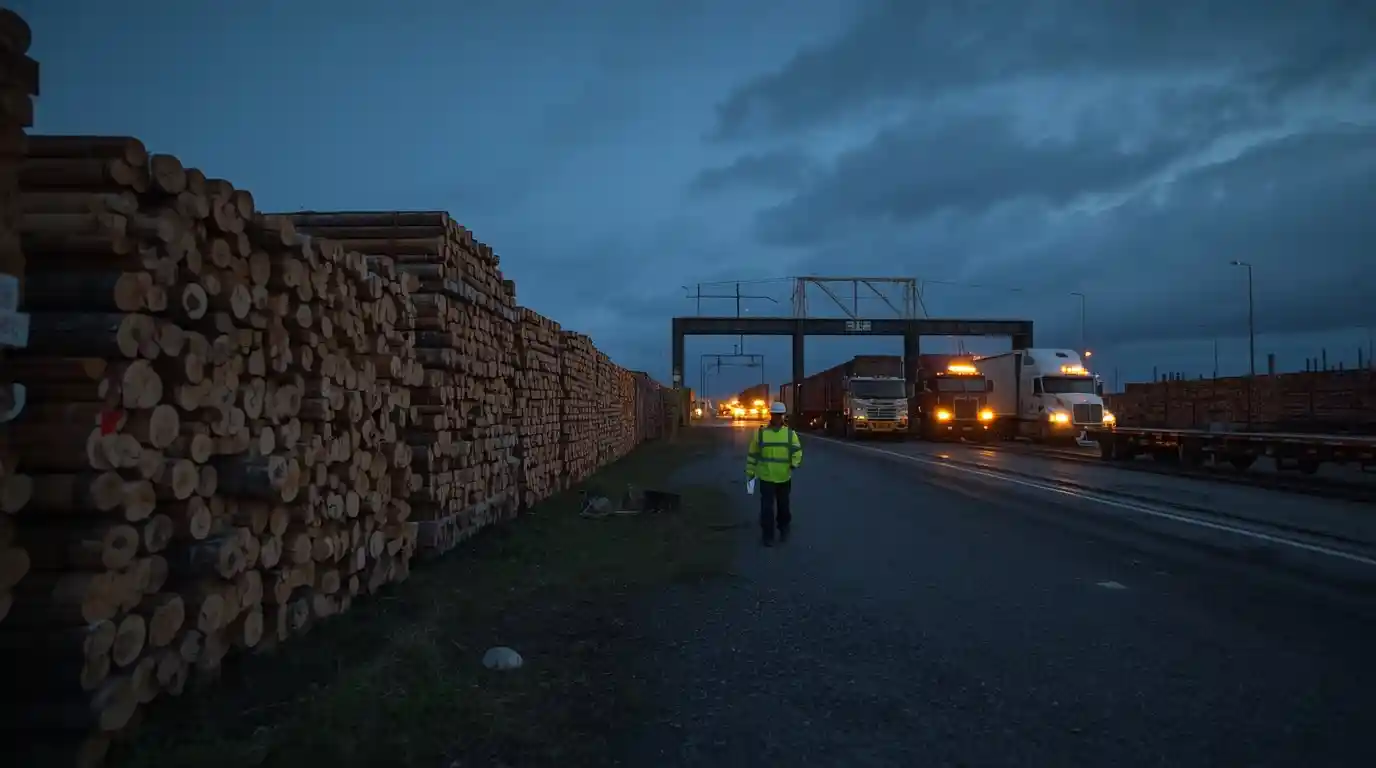
The Canada U.S. trade talks now running daily in Washington have narrowed to a short and awkward list: softwood lumber, cars and parts, milk quotas, and whose whisky gets shelf space in provincial liquor stores. Global News, citing sources familiar with the negotiations, reports both teams are working through tariff lines one at a time and calling the tone constructive. Constructive is not the same as close.
The clock is the problem. U.S. President Donald Trump has said 50 per cent tariffs land on a wide slice of Canadian goods on Aug. 19 — roughly $28 billion worth by Global News's count, or close to US$20 billion by other reporting. Trade Minister Dominic LeBlanc and chief negotiator Janice Charette have been meeting U.S. Trade Representative Jamieson Greer almost every day. Prime Minister Mark Carney has been working the phones from a vacation in Italy.
Here's the part that gets lost in the countdown coverage: even a signed deal doesn't make the tariffs disappear. Sources say any agreement leaves duties in place on steel, aluminum, autos and lumber. The fight is over how much, not whether.
Why Canada U.S. Trade Talks Feel Different This Time
Earlier tariff rounds came with a giant escape hatch. Goods that met CUSMA rules of origin walked into the United States duty-free, which is why Ottawa could accurately say most exports were never taxed. This threat is written differently — reporting indicates CUSMA-compliant goods would not be spared. That removes the shield most exporters have been hiding behind since 2025.
Canada has also spent its easiest concession already. On Sept. 1, 2025, Ottawa dropped its retaliatory tariffs on CUSMA-compliant American goods, keeping counter-tariffs only on steel, aluminum and autos. Washington now wants those gone too. And CUSMA itself is unsettled: the Trump administration declined to renew the agreement in July, so Canada is trying to buy an extension in the same conversation.
The Files Where the Two Sides Are Furthest Apart
Four sectors account for most of the distance. Each one has a domestic constituency that has told Ottawa exactly what it will not accept, which is why a quick trade-off is hard to assemble.
Softwood lumber is sitting behind a 45 per cent wall
American negotiators have refused to cut lumber duties, which now run near 45 per cent when combined. That lands almost entirely on British Columbia, Quebec and northern Ontario mill towns. B.C. Premier David Eby has been blunt about how strange the numbers look.
We face higher tariffs than Russia.
Eby has also pointed out that American buyers are being steered toward European and Russian wood instead. For a country that has fought this same softwood file through four decades of legal rounds, a deal that leaves the duty untouched would be a hard sell in Victoria.
Autos: 10 to 15 per cent is still not zero
Vehicles and trucks currently face a 25 per cent U.S. tariff. One idea on the table would cut that to somewhere between 10 and 15 per cent for CUSMA-compliant vehicles. The industry's answer has been unhelpful for negotiators: any tariff on compliant parts breaks a supply chain where a component crosses the border several times before a car is finished. Unifor president Lana Payne has been vocal that assembly jobs, not just tariff rates, are the real measure.
Milk quotas and American drinks on the shelf
Washington wants wider access to Canada's dairy market through expanded quotas. Dairy Farmers of Canada has said no further supply-management concessions, and every federal party has spent a decade promising the same. The alcohol demand is odder — the U.S. wants American beverages back in provincial liquor stores. Those shelves are controlled by provinces, not Ottawa, so it's something a federal minister can push for but not simply deliver.

What $28 Billion Looks Like Next to $383 Billion
Perspective helps. The United States bought about US$383 billion in goods from Canada in 2025. The threatened tariff list covers roughly 5.2 per cent of that. Somewhere between 85 and 90 per cent of Canadian goods exports still cross duty-free under CUSMA rules. So the headline number is a slice, not the whole pie — but it's a concentrated slice, aimed at regions and towns that have few alternative employers.
What It Could Do to Your Job and Your Prices
The Bank of Canada has already priced trade conflict into its outlook. In its October 2025 report it projected growth of about 1.1 per cent for 2026 and warned the damage is structural rather than temporary — a permanently smaller economy, not a dip that bounces back. That shows up as slower hiring, delayed plant investment and softer wage growth long before it shows up on a price tag.
For consumers, the direct hit is smaller than most people assume, because these tariffs are paid by American importers on Canadian goods. The indirect hit is the one to watch: a weaker dollar, thinner factory shifts and a housing sector that gets more expensive when lumber markets get scrambled.
What to Watch Before Aug. 19
Three signals matter this week. First, whether negotiators actually put a package in front of Trump — reporting suggests that was the plan. Second, whether any CUSMA extension is named out loud, because that's worth more to exporters than any single tariff rate. Third, whether the 50 per cent threat is paused rather than cancelled, which is how several previous deadlines ended.
If you run a business that ships south, the practical step right now is confirming your CUSMA certification is current and your rules-of-origin paperwork can survive an audit — that documentation is what decides your rate the morning after any announcement. If you work in lumber, auto assembly or aluminum, watch the sector-specific numbers in whatever gets signed, not the word "deal" in the headline.




Comments 0