

Carney Phones In From Italy as Canada U.S. Tariff Deadline Nears
Canadian negotiators are in Washington trying to stop 50 per cent duties on autos, booze and dairy from landing Wednesday — and the two sides are still far apart.

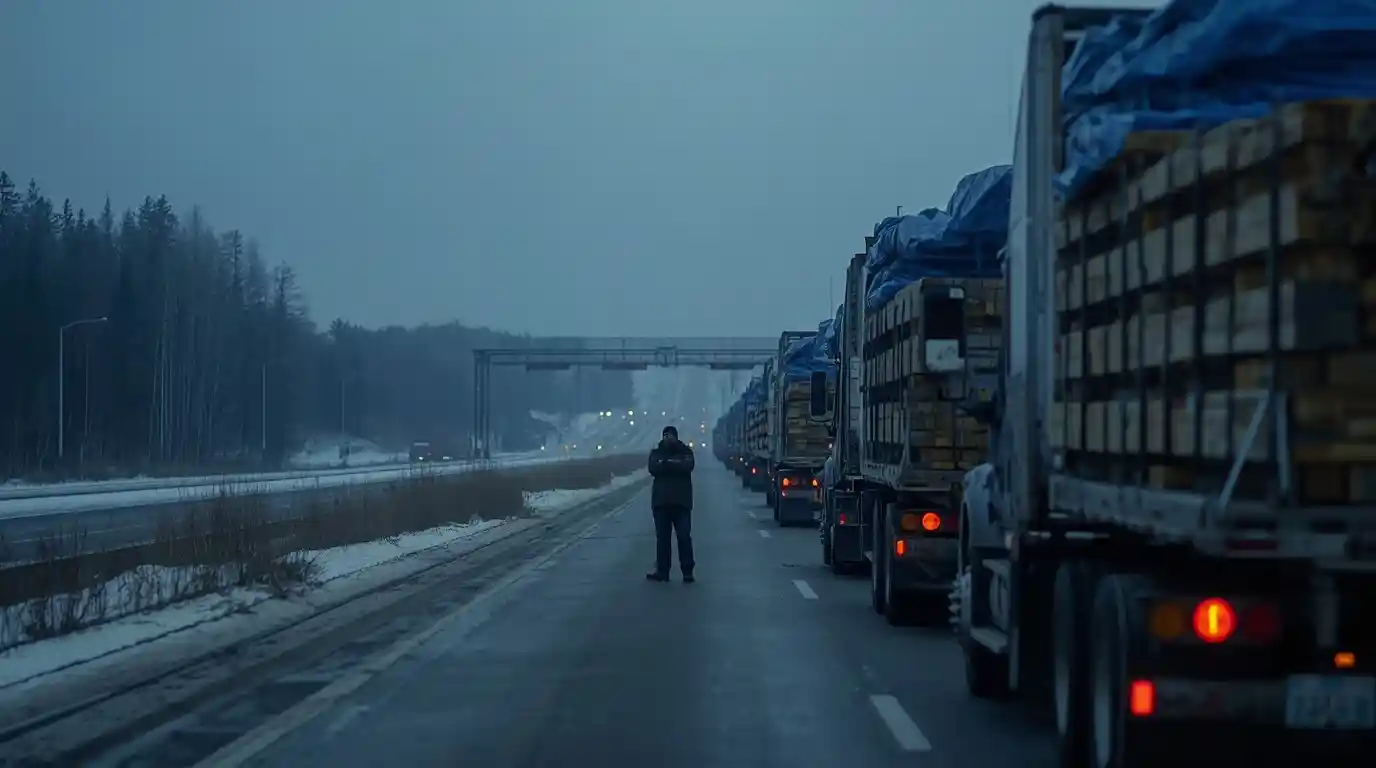
The Canada U.S. tariff deadline arrives this Wednesday, and heading into the weekend the two governments were still a long way from a handshake. Canadian negotiators spent the week in Washington trying to head off a 50 per cent tariff on a long list of exports. People close to the talks describe the remaining distance as substantial — a gap over substance, not a last round of paperwork.
Here's the detail that says the most about where this sits: Prime Minister Mark Carney has been working the file by phone from a holiday in Italy. Trade Minister Dominic LeBlanc and chief negotiator Janice Charette are handling the room in Washington, in what was their third sit-down with U.S. Trade Representative Jamieson Greer in as many weeks. Charette told a federal advisory group there is still serious work left to do.
If nothing lands by Wednesday, tariffs signed on July 20 take effect. President Donald Trump used Section 338 of the Tariff Act of 1930 — an obscure provision letting a president strike back at countries he deems to be discriminating against American goods — to impose 50 per cent duties on Canadian vehicles, alcohol and dairy. Global News put the exposed trade at roughly $28 billion; other outlets have it closer to $20 billion.
What the Canada U.S. Tariff Deadline Actually Covers
The spread between those two figures comes down to carve-outs, and there are real ones. The proclamations exclude several of Canada's biggest shipments south, which is why this is a painful measure rather than a catastrophic one. Crucially, there is no CUSMA exemption this time — being compliant with the continental trade deal will not save a car or a case of wine from the new rate.
- Energy and potash
- Fish and seafood
- Critical minerals
- Goods already caught by Section 232 metals tariffs
That last line matters more than it looks. Steel, aluminum and copper were restructured back in April, with full-value 50 per cent rates applied to many core metal imports. Those duties are not on the table in these talks. Neither, by all accounts, are the existing auto tariffs — any deal shrinks them rather than removes them.
Where the Talks Are Stuck
Three files keep coming up in reporting from both capitals, and none of them is a rounding error. Each one has a domestic constituency in Canada that will scream if Ottawa gives ground, which is exactly why Carney is calling premiers and industry from a beach chair instead of signing something quickly.
The Auto Offer Canada Turned Down
Washington floated cutting sectoral auto tariffs to 12.5 per cent, roughly half the current 25 per cent, with Global News reporting a range of 10 to 15 per cent for CUSMA-compliant vehicles. Ottawa's read is that it isn't enough, particularly since the Americans want Canada's retaliatory auto tariffs scrapped in exchange. Unifor president Lana Payne has said flatly that Canada should not be offering concessions right now.
American Whisky and the Liquor Shelves
U.S. negotiators want American alcohol back on provincial liquor store shelves after the boycotts of the past year. It sounds minor next to autos, but the shelves are controlled by provinces, not Ottawa — so Carney can't simply promise it. Greer has publicly compared Canada's retaliatory measures to something China would do, which tells you how the file is being framed south of the border.
Dairy Quotas and the Supply Management Line
Reworking dairy quota arrangements is on the table too. Supply management has survived every trade round since the 1990s, and no federal government has been willing to be the one that traded it away. Expect movement at the margins here, if any.

Lumber's 45 Per Cent Wall
Softwood is the file where Washington has budged least. Canadian producers currently face about 45 per cent in combined duties — roughly 35 per cent in anti-dumping and countervailing duties plus a 10 per cent Section 232 tariff added last October. B.C. Premier David Eby has made the comparison bluntly.
We face higher tariffs than Russia.
There is one piece of good news buried in the file: the U.S. Commerce Department signalled it will cut the anti-dumping and countervailing portion to about 24.83 per cent after its annual review, which would bring the combined burden closer to 35 per cent. Softwood exports to the U.S. were about $6.06 billion in 2025, down 12 per cent from the year before, according to Global Affairs Canada.
What This Could Cost You
For most households the hit arrives indirectly and slowly. A 50 per cent tariff on Canadian-built vehicles doesn't raise your grocery bill, but it squeezes plants in Ontario, and plant decisions become job decisions. Lumber duties feed into new-build costs and renovation quotes on both sides of the border. Retaliation, if Ottawa answers in kind, is the part that shows up on Canadian price tags directly.
Watch what happens Wednesday, not what gets said Monday. If the Canada U.S. tariff deadline passes without an agreement, look for whether Ottawa retaliates immediately or holds fire to keep talking — that choice will tell you more about the next six months than any statement from either capital. And if you're pricing a renovation or a new vehicle this fall, get the quote in writing now.




Comments 0