

It Took 904 Days to Treat His Inflammatory Bowel Disease
Monash scientists have grown children's gut lining in the lab and put each child's own bacteria inside it — a first step towards matching the drug to the patient instead of guessing.
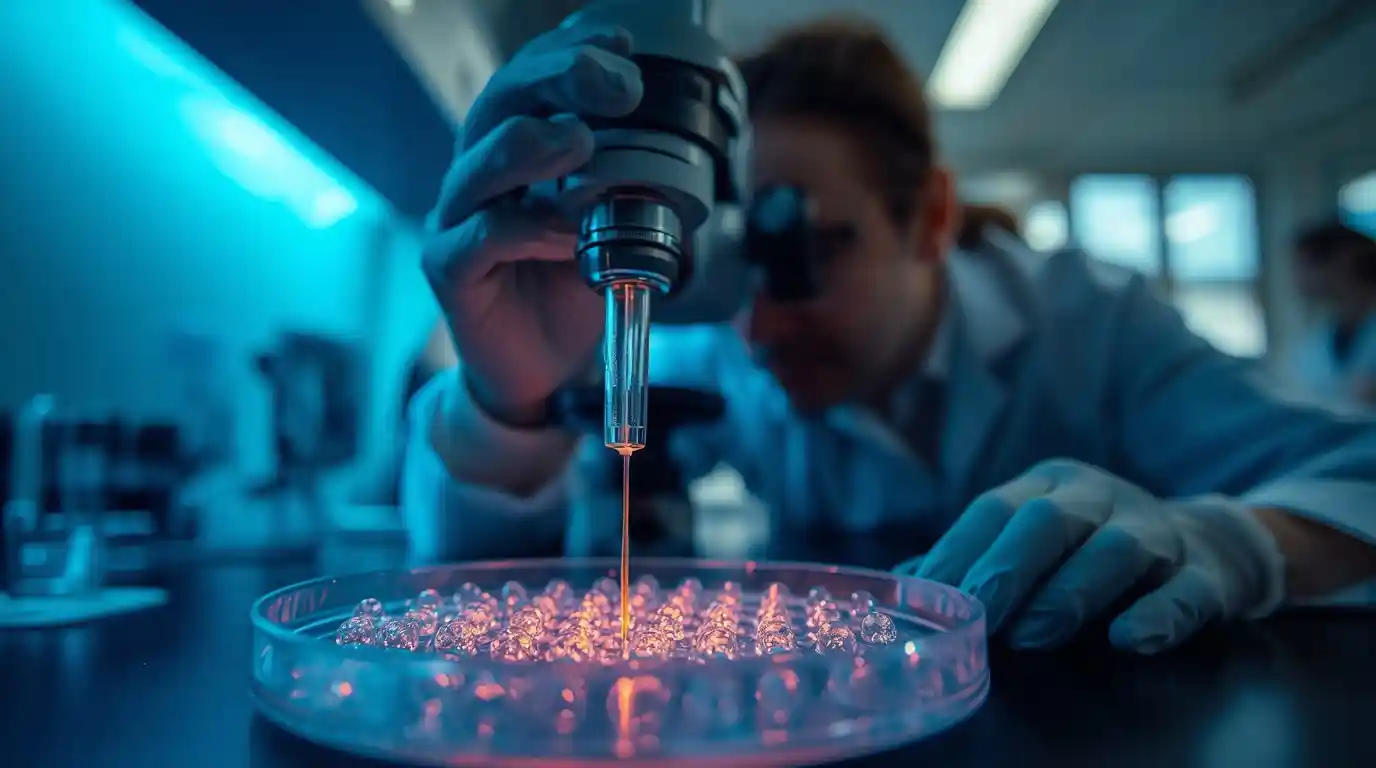
Researchers at Monash University have grown tiny working copies of the human gut lining from children with inflammatory bowel disease, then put each child's own gut bacteria inside them. The lab calls them "mini guts". It sounds like a curiosity. For families who have spent years cycling through medications that don't work, it is the first serious attempt to test the drug before the child has to swallow it.
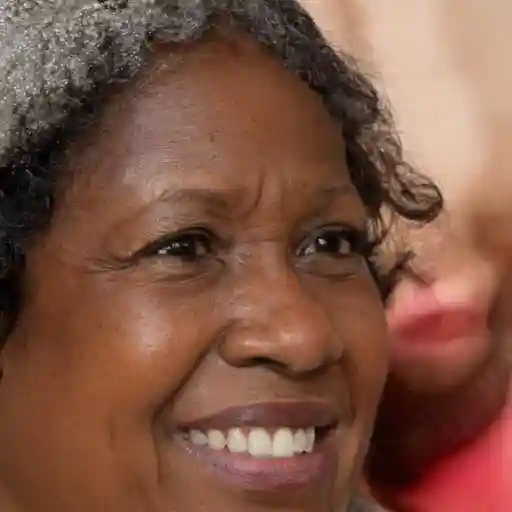
Take Ronan Somers. The 12-year-old, who has ulcerative colitis, waited 904 days after diagnosis before doctors found a treatment that actually settled his gut, the ABC reported. That is nearly two and a half years of failed drugs, six trips to the toilet a day, and roughly one school day missed in every five this year. "I couldn't do a lot of stuff because I felt very tired," he said. His mother, Jasmin Alarcon, watched most of it happen.
Ronan is not unusual, and that is the point. Around 180,000 Australians live with Crohn's disease or ulcerative colitis, and Crohn's & Colitis Australia puts the 2025 figure at 179,420, with just over 91,000 in active disease. The organisation estimates the condition costs the country $7.8 billion a year — about $77.9 billion over a decade if nothing changes.
Why the bacteria are the real breakthrough
Growing intestinal organoids isn't new; labs worldwide have done it for a decade. What the Monash team did differently, in a paper published in Scientific Reports in April, was culture bacteria straight from the inflamed patch of intestine at the same moment they took the tissue — then keep the pair together. Most gut research uses standard lab strains or mouse models. Neither carries the specific microbial mix living inside one particular child.
How you grow a gut in a dish
The process starts with tissue a gastroenterologist is already collecting. Nothing extra is done to the patient; the samples come from biopsies taken during a colonoscopy the child needs anyway. From there it becomes a fairly patient exercise in cell biology, and the second half is the part that took new technique.
Taking tissue from the exact inflamed spot
Inflammation in Crohn's disease doesn't behave the same way in the small bowel as it does in the colon, so the team sampled by site rather than lumping everything together. Stem cells inside those biopsies then rebuild themselves in culture into hollow spheres lined with the same cell types as a real intestine — mucus-producing cells, absorbing cells, the lot.
Injecting the child's own bacteria inside
Here's the awkward part: an organoid is a sealed ball, with its "inside" facing inwards. Bacteria dropped into the dish would meet the wrong surface entirely. So the researchers microinject the patient's own bacteria into the hollow centre, which is the side that faces food and microbes in a living gut, then watch how the lining reacts — whether the barrier holds or starts to leak.

What inflammatory bowel disease costs Australia
The financial number understates it. Crohn's & Colitis Australia reports that people with the condition wear about $5,900 a year in out-of-pocket costs, on top of the tax-funded share. Roughly 70 per cent report fatigue or brain fog, 48 per cent anxiety or depression, and 31 per cent insomnia. Those are the symptoms that quietly cost people jobs, study and relationships.
Why finding the right drug still takes years
More than a third of Australians with the disease waited over a year just to be diagnosed, and 41 per cent needed more than five years after that to get symptoms under control, according to the group's State of the Nation work. The ABC reported that about half of patients take five years to reach remission. The reason is blunt: with several biologic drugs available and no reliable way to predict who responds, clinicians largely work through them in sequence.
How long before this reaches a hospital?
Years, and everyone involved says so. Emeritus Professor Paul Pavli of the Australian National University, a gastroenterology consultant at Canberra Hospital, told the ABC that personalised medicine built on this work is still well down the track — and pointed at a funding problem that has dogged the field for decades.
Crohn's and colitis are not sexy diseases.
The next step is scale. Lead researcher Professor Helen Abud and paediatric gastroenterologist Associate Professor Edward Giles want to build a "living biobank" of organoid lines from a much wider range of children, so a new patient's sample can be compared against many others. A biobank of a dozen lines proves the method; a biobank of hundreds starts to predict things. Leanne Raven, who heads Crohn's & Colitis Australia, has welcomed the ability to test options in a dish rather than on a child.
If you or your kid has Crohn's or colitis, this won't change next month's appointment. What it does change is worth one question: at your next colonoscopy, ask whether your hospital contributes tissue to organoid research, because these biobanks only grow if patients consent to donate the biopsies already being taken. Meanwhile, keep a written symptom diary between appointments — when treatment is still trial and error, the record of what failed and how fast is the most useful thing you can hand a specialist.


Comments 0