Middle East Tourism to Lose $56 Billion in a Single Year
The Gulf is set to be the only region on earth where tourism shrinks this year — here's why it's happening and what it means for Indian flyers.

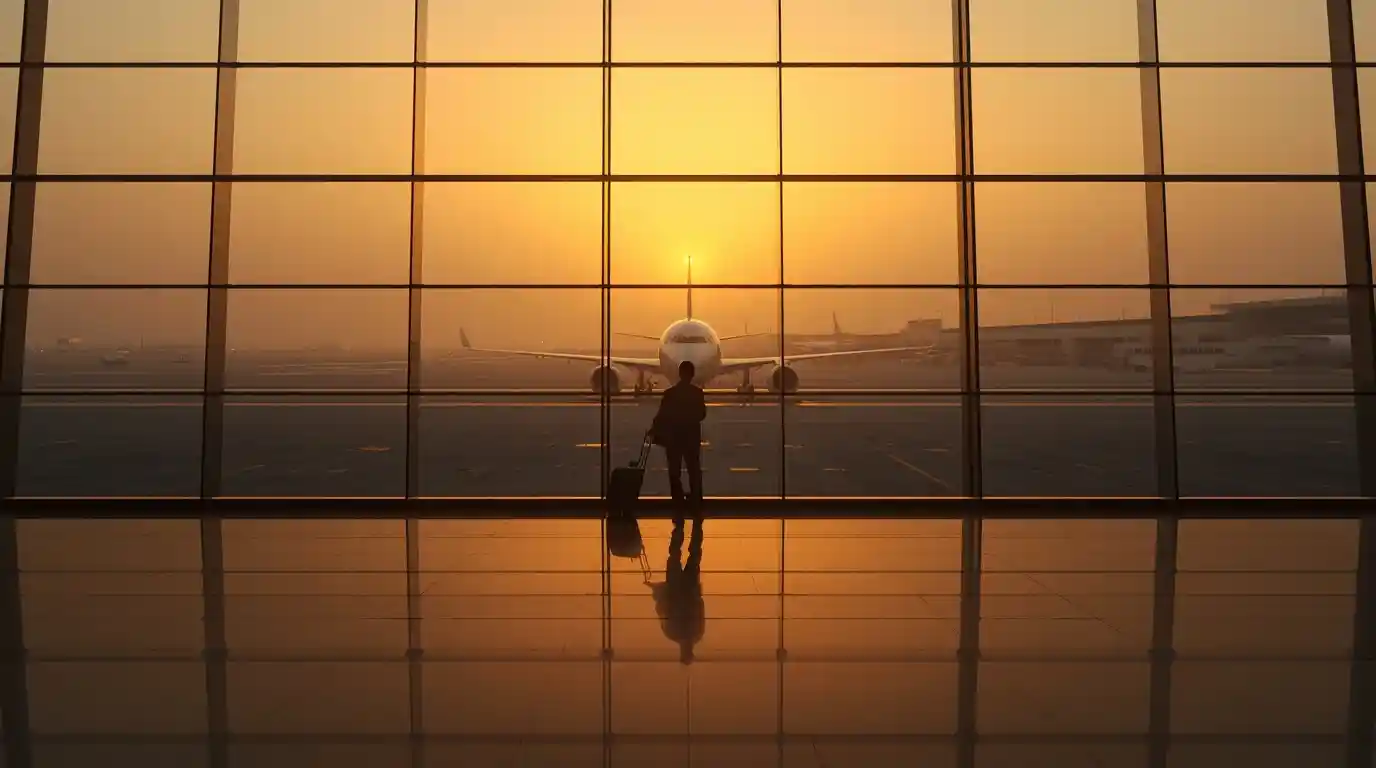
Middle East tourism is heading into a bruising 2026, with the region's travel economy set to shrink by about $56 billion in a single year — the only part of the world forecast to go backwards. That's the standout finding from the World Travel & Tourism Council (WTTC), the industry body that tracks the sector globally, in a Middle East outlook published on 6 August 2026.
The drop takes the sector from $386 billion in 2025 to $330 billion this year, a fall of 14.5%. Every other region on the planet is still growing. And the cause isn't weak demand or sky-high prices — it's the sky itself. Conflict in the region has snarled airspace and forced airlines onto longer detours, in a corridor that normally handles roughly one in seven of the world's air passengers.
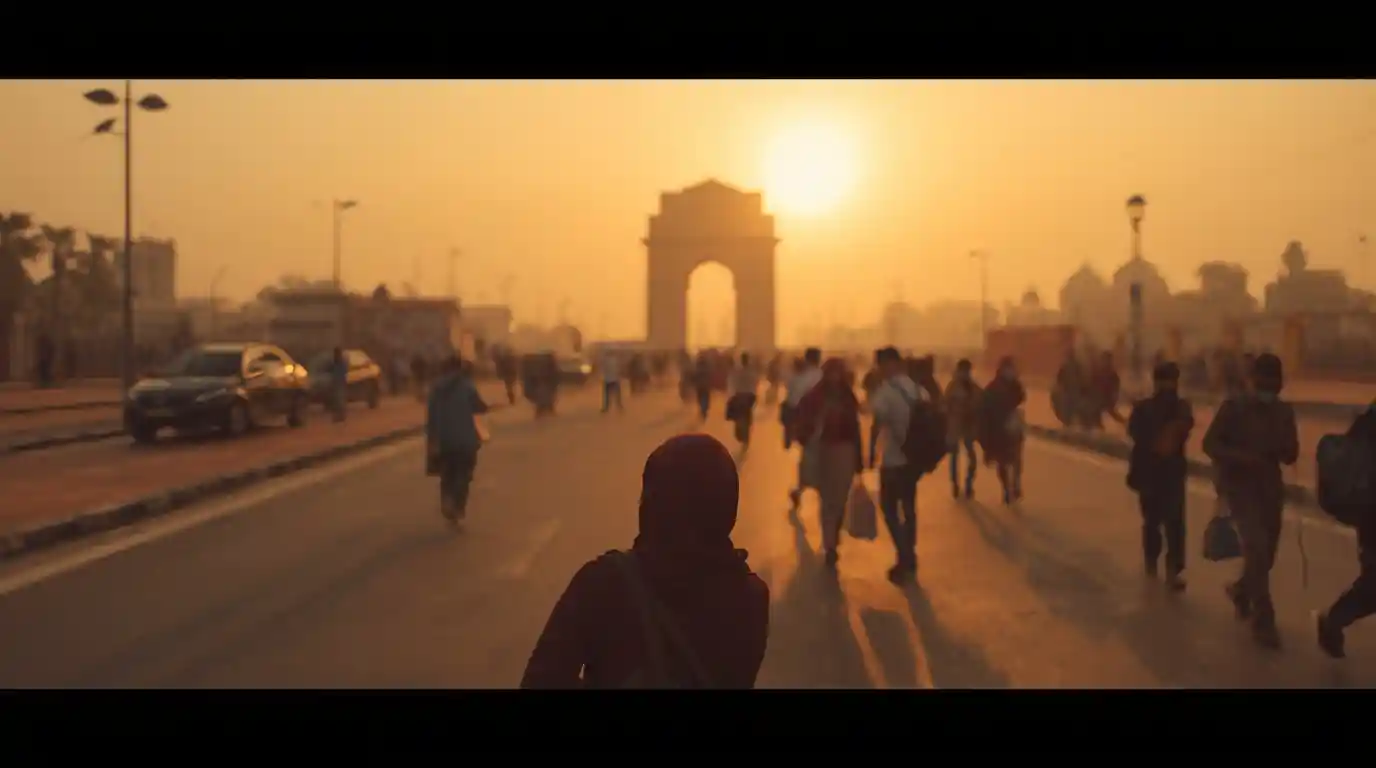
For Indian travellers, this lands closer to home than it might seem. Dubai, Abu Dhabi and Doha are the airports most of us change planes at on the way to Europe, Africa and the Americas. The UAE is a favourite for holidays and jobs, and the Gulf is home to millions of Indians whose families fly back and forth all year. When these hubs wobble, Indian itineraries and airfares feel it quickly.
Why Middle East tourism is falling in 2026
The slump is about movement, not any loss of appetite to visit. The region sits on one of the busiest flight paths between Asia and the West, carrying about 14% of international passengers. When stretches of that airspace close or turn risky, carriers add fuel-hungry detours, drop routes or thin out schedules. Fewer seats and dearer tickets mean fewer arrivals, and that flows straight into tourism earnings. Before this, the Gulf had been one of travel's great comeback stories, booming after the pandemic.
The $56 billion the region is losing
To put that shortfall in perspective, $56 billion is close to ₹5 lakh crore — roughly a whole mid-sized country's tourism income, gone in twelve months. Yet the full-year total of $330 billion still tops ₹27 lakh crore, so Middle East tourism is having a hard year, not a collapse. It follows a long run of records powered by Expo 2020 in Dubai, the 2022 football World Cup in Qatar and Saudi Arabia throwing open its doors under its Vision 2030 plan.
What it means for Indian travellers
How much you notice really depends on why you're flying west.
If you connect through Dubai or Doha
Detours add flying time and cost, and airlines pass some of it on. On long-haul trips routed through the Gulf, expect the occasional schedule change, longer layovers and fares that don't drop as far as you'd like during sale periods. Give yourself a wider connection window, and pick travel insurance that actually covers a missed onward flight.
If you're planning a Gulf holiday
A Dubai or Doha break itself isn't the worry — the cities are open and running normally. Just watch for last-minute timing changes, book flexible fares where you can, and check your airline's advisories before you leave. There's an upside too: as operators work to fill seats, off-peak deals to the Gulf could actually get cheaper.
The long game: $605 billion by 2036
Here's the twist. The same report that names 2026 the region's worst year also crowns Middle East tourism the world's fastest-growing market for the decade ahead. WTTC expects the sector to expand about 6.3% a year and reach $605 billion by 2036 — nearly double today's size. Four economies do most of the lifting: Saudi Arabia, the UAE, Oman and Qatar, whose combined tourism output is tipped to climb from $272 billion in 2025 to $435 billion by 2036.
The country-level numbers back that up. In Saudi Arabia, tourism is already 14.1% of the economy and investment leapt 19.4% in 2025. In the UAE it supports about 13.6% of all jobs and draws $57 billion in foreign visitor spending. Oman expects to grow from $7.9 billion to $12 billion, while in Qatar visitors make up a striking 94.1% of services exports.
What to watch next
The whole forecast hangs on one thing: airspace reopening and flights settling back to normal. If the conflict eases, the Gulf's huge build-out of airports, hotels and attractions should pull travellers back fast, much as it did after Covid. For now, if your plans run through the Middle East this year, book flexible fares, pad your layovers and check airline updates before you fly — and treat any bargain Gulf ticket as a window that may not stay open long.