

Mortgage Rates Just Fell. Your Payment Drops About $5.
The first drop in six weeks trims two-hundredths of a point off the 30-year average — about the price of a sandwich on a median-priced home.

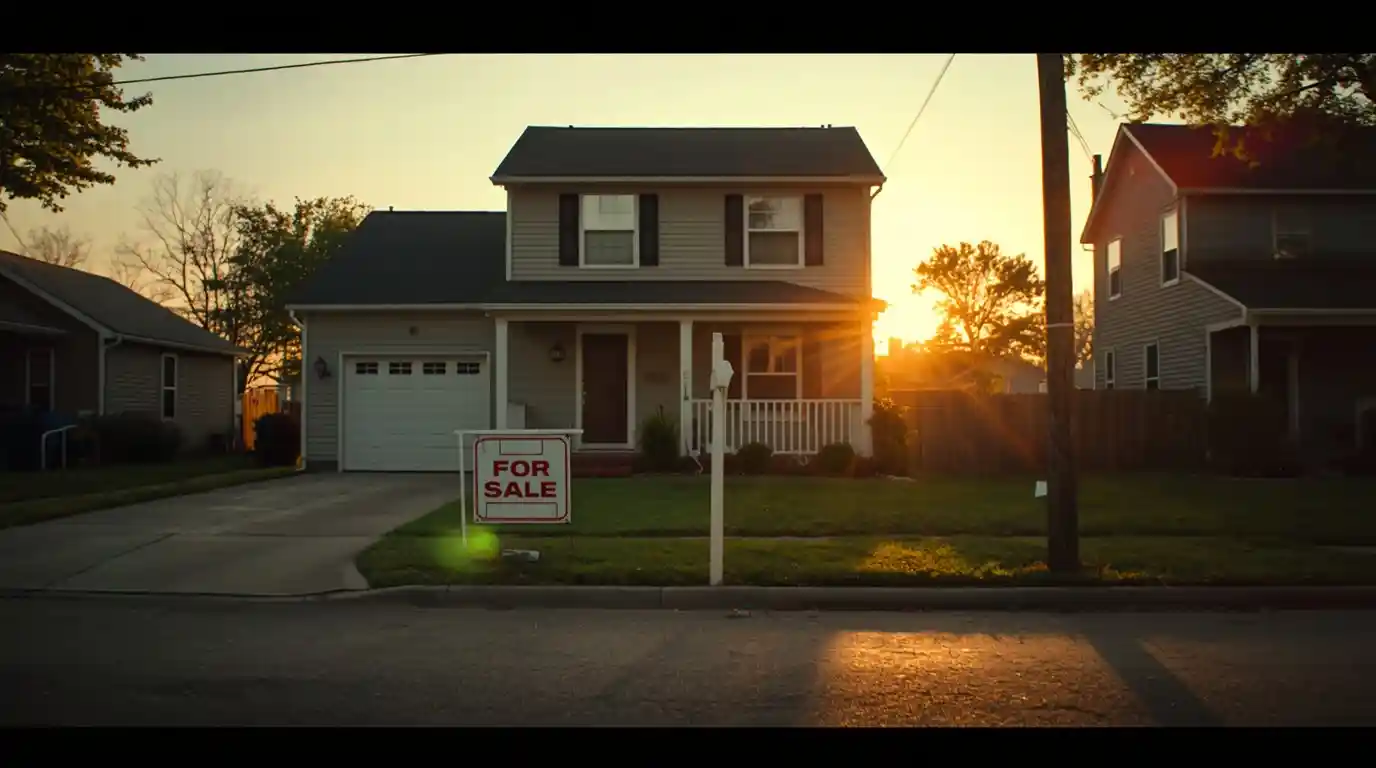
Mortgage rates finally moved in the direction buyers wanted this week, though barely. The average rate on a 30-year fixed home loan slipped to 6.67% from 6.69%, according to Freddie Mac's weekly survey released Thursday. It was the first decline in six weeks, ending a slow climb that had been quietly shaving dollars off what house shoppers could afford all summer. The 15-year average fell a bit more, to 5.96% from 6.01%.
Then you run the numbers and the celebration gets quiet fast. July's median price for a previously owned home was $434,100, per the National Association of Realtors. Put 20% down and you're financing roughly $347,000. At 6.69%, principal and interest come to about $2,239 a month. At 6.67%, it's about $2,234. This week's widely reported drop is worth around five bucks — call it a sandwich, once a month.
The comparison that actually stings is the one nobody is making. A year ago the 30-year averaged 6.58%. In late February, before conflict in the Middle East upended energy markets, it averaged 5.98%. On that same loan, February's rate would have cost about $2,078 a month. Today's buyer pays roughly $155 more — close to $1,900 a year, and about $56,000 across the full 30 years.
Why the Dip Was Only Two-Hundredths of a Point
Home loan pricing follows the 10-year Treasury yield far more closely than anything the Federal Reserve announces. That yield sat near 4.61% Thursday, down from 4.72% at the start of the week, which is why lenders eased off slightly. Back in late February, before the war premium showed up in oil and inflation expectations, the same yield was 3.97%. Bond investors have repriced roughly two-thirds of a point of risk since then, and homebuyers are paying for it.
Where Mortgage Rates Go From Here
Forecasters are notably reluctant to promise relief. Inflation readings for consumers and wholesalers cooled somewhat in recent reports, according to the Associated Press, but energy costs are still the wild card, and nobody in the bond market wants to price in a rally that a single supply shock could erase.
Current mortgage rate levels may become quite familiar in the months ahead, said Joel Berner, senior economist at Realtor.com.
The Fed May Raise Rates in September
Futures markets have swung sharply toward a hike. J.P. Morgan Wealth Management strategists now expect a quarter-point increase at the September meeting, a reversal from their earlier call of no moves at all in 2026. The broader economist consensus tracked by FactSet still expects the Fed to hold. Analysts have warned crude could push toward $120 a barrel, up from roughly $80 in early August, if supply blockades persist.
Why the Fed Doesn't Set Your Home Loan Rate
Here's the part that confuses most buyers: a Fed hike does not automatically raise your 30-year quote, and a cut does not lower it. The Fed sets an overnight rate. Your mortgage is priced off long-term bonds, which move on expectations. If a September hike convinces investors inflation is under control, long yields — and home loan pricing — can actually fall on the news.

Sales Are Slow, Prices Are Not
Existing-home sales dropped 1.7% in July to a seasonally adjusted annual pace of 4.06 million, NAR reported on August 11, the second straight monthly decline. Yet the median price still rose 2.0% from a year earlier, the 37th consecutive month of annual gains. Inventory fell 1.9% to 1.54 million homes, a 4.6-month supply. Fewer buyers, but also fewer sellers — which is exactly why prices haven't cracked.
What Buyers Can Actually Control Right Now
You can't move the bond market. You can move your own quote, and the spread between a lazy application and a careful one is usually worth far more than five dollars a month.
- Shop at least three lenders in the same week. Rate sheets vary by a quarter point or more on identical borrowers.
- Ask what a temporary buydown costs versus permanent points, and calculate the break-even in months, not years.
- Check whether your loan amount sits just above the conforming limit — dropping under it can change your pricing tier entirely.
- Get an actual lock quote, not a rate estimate. The Freddie Mac average assumes 20% down and excellent credit.
Sam Khater, Freddie Mac's chief economist, noted that purchase and refinance applications have been picking up, which suggests borrowers are reacting to even tiny moves. That's the real signal in this week's numbers: demand is coiled, waiting on a break that hasn't come. Watch the 10-year Treasury and the September Fed meeting rather than the weekly headline. If yields drift back toward 4.25%, mortgage rates near 6.25% become realistic — and that's a $115-a-month difference, not a sandwich.




Comments 0