

National Park Week 2026 Is Free, but Not for Everyone
The Park Service's biggest celebration jumps to August 22–30 with a single fee-free day — and for the first time, the freebie checks where you live.

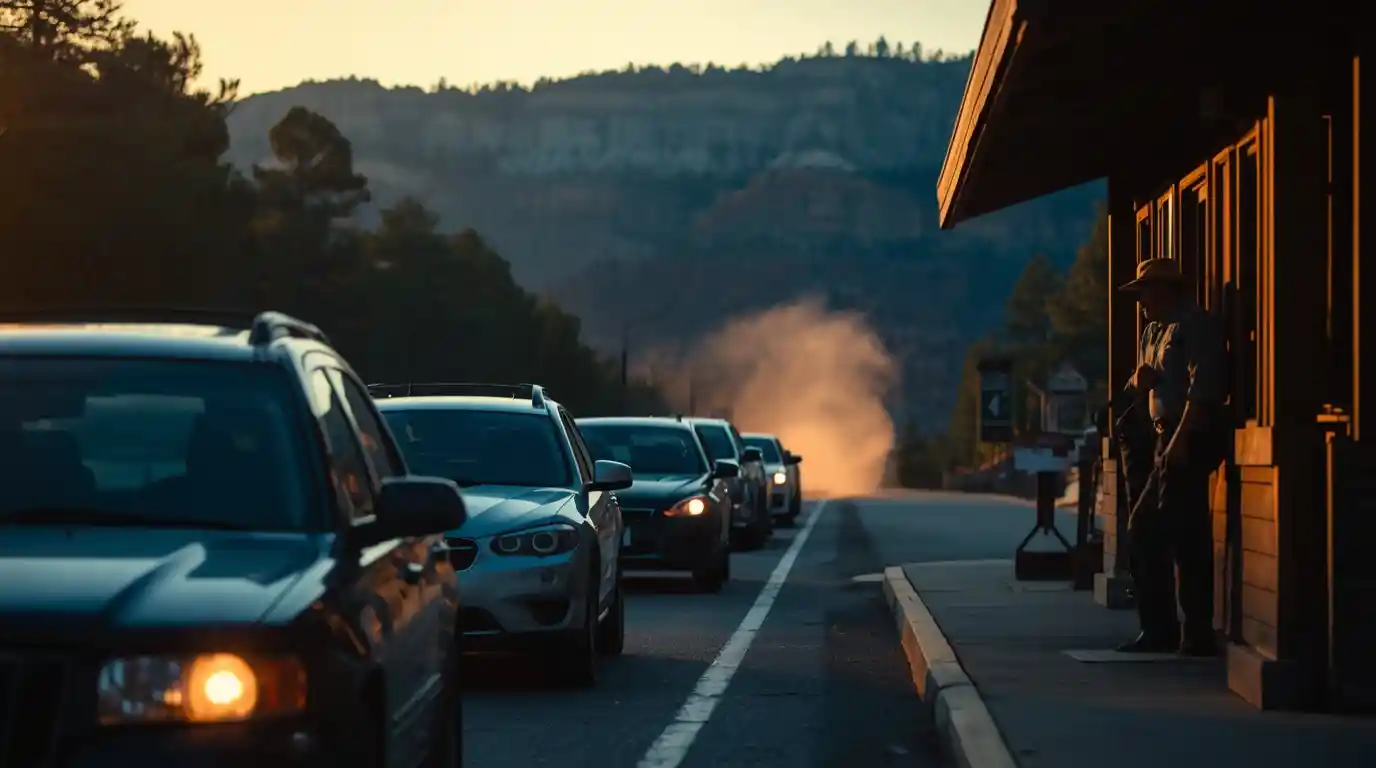
National Park Week 2026 runs from August 22 to 30, which means the country's biggest public-lands celebration is sitting out spring entirely this year. For most of its recent history it landed in the last week of April, wrapped around Earth Day. The Park Service moved it to the tail end of summer so it would line up with the agency's 110th birthday on August 25 and the national 250th-anniversary events.
Inside those nine days there is exactly one free-entry day: Tuesday, August 25. Entrance fees get waived that day at every park site that normally charges one, out of more than 400 places the agency runs. But the waiver comes with a condition that didn't exist a couple of years ago — it applies to U.S. citizens and residents. Everyone else pays.
That matters more than it sounds. Since January 1, 2026, visitors who don't live in the United States have been paying an extra $100 per person, age 16 and up, at 11 of the most-visited parks. So if you're hosting relatives from abroad this August, the "free day" is free for you and roughly the price of a nice dinner for them.
Why the Celebration Left the Earth Day Calendar
The April timing always made a certain sense — spring wildflowers, Earth Day, school field trips. Moving to late August trades that for heat, wildfire smoke in the West, and the last gasp of peak season crowds. The upside is symbolic weight: August 25 is the actual anniversary of the 1916 law that created the National Park Service, and 2026 carries the country's semiquincentennial theme, "Celebrate America's Story."
There's also a quiet bit of history here. The very first National Park Week was proclaimed for August 25–31, 1991, to mark the agency's 75th birthday. April came later. So this isn't really a relocation — it's the event going back where it started, 35 years on.
Who Gets In Free on August 25, and Who Doesn't
The single free day replaces what used to be a broader giveaway. In past years the opening day of the celebration was itself fee-free; that has since dropped off the calendar, along with a couple of other traditional free dates. Here's how it breaks down now.
If You Live in the United States
Show up on August 25 and you walk through the entrance station without paying the standard fee — typically $20 to $35 per vehicle depending on the park. No pass needed, no pre-registration. The catch is the day itself: it's a Tuesday, so most people have to burn a vacation day to use it, which is exactly why the parking lots will still be manageable at some sites and brutal at others.
If You're Visiting From Another Country
Executive Order 14314, signed in July 2025, directed Interior to raise fees for nonresidents. The result, per the Congressional Research Service, is the $100 surcharge at Acadia, Bryce Canyon, Everglades, Glacier, Grand Canyon, Grand Teton, Rocky Mountain, Sequoia and Kings Canyon, Yellowstone, Yosemite and Zion. The annual America the Beautiful pass costs nonresidents $250 against $80 for residents. Interior has estimated the surcharge could raise more than $90 million a year.
The Costs a Free Day Never Covers
Waived entrance fees are not a waived reservation. Timed-entry permits at places like Arches, Glacier's Going-to-the-Sun Road and Rocky Mountain still apply and still cost money. Campgrounds, tours, boat launches and concessioner-run activities are all separate. Plenty of people drive four hours for a free day and discover the thing they wanted to see needed a permit booked weeks earlier.

What National Park Week 2026 Looks Like Day by Day
Each day has a theme, and they're more than branding — individual parks build ranger programs, volunteer shifts and kid-focused events around them. Worth checking your nearest park's own page, because participation varies wildly by site and staffing.
- Aug 22 — Kickoff Saturday and the Freedom 250 Grand Prix
- Aug 23 — Safety Sunday
- Aug 24 — America in Motion Monday
- Aug 25 — NPS 110th birthday and the fee-free day
- Aug 26 — Watch Wildlife Wednesday
- Aug 27 — Thankful Thursday
- Aug 28 — Freedom Friday
- Aug 29 — Staff Saturday
- Aug 30 — Junior Ranger Day
Record Crowds Meeting a Thinner Ranger Corps
The parks are busier than they have ever been. The Park Service logged 331.9 million recreation visits in 2024, beating the old 2016 record. What's changed underneath is the workforce. The National Parks Conservation Association counts a loss of roughly 4,000 permanent staff — about a quarter of the total — since early 2025, and the administration proposed cutting more than $1 billion from the agency's budget for fiscal 2026.
That gap shows up as shorter visitor center hours, fewer guided walks and slower emergency response. Advocacy groups have tracked dozens of parks trimming services and delaying facility openings. A free day pushes more people through gates that have fewer people standing behind them.
How to Actually Plan Around the Free Day
If the August 25 waiver is the reason you're going, do the math first. A single vehicle entry runs $20 to $35; an $80 annual pass pays for itself in three visits and skips the crowd entirely. The free day is best for a park you'll see once. For anything you'll return to, buy the pass and go on a Wednesday in October.
Check three things this week: whether your target park requires timed entry in late August, whether its visitor center hours have been cut, and whether nearby lodging is already gone. National Park Week 2026 rewards people who book early and shows up as a parking nightmare for everyone else. And if anyone in your group holds a foreign passport, price the surcharge before you commit to Yellowstone.


Comments 0