

National Park Week Returns to August, Where It Began in 1991
The nine-day celebration jumps from its usual April slot to August 22–30, built around a single fee-free Tuesday that costs US residents nothing.

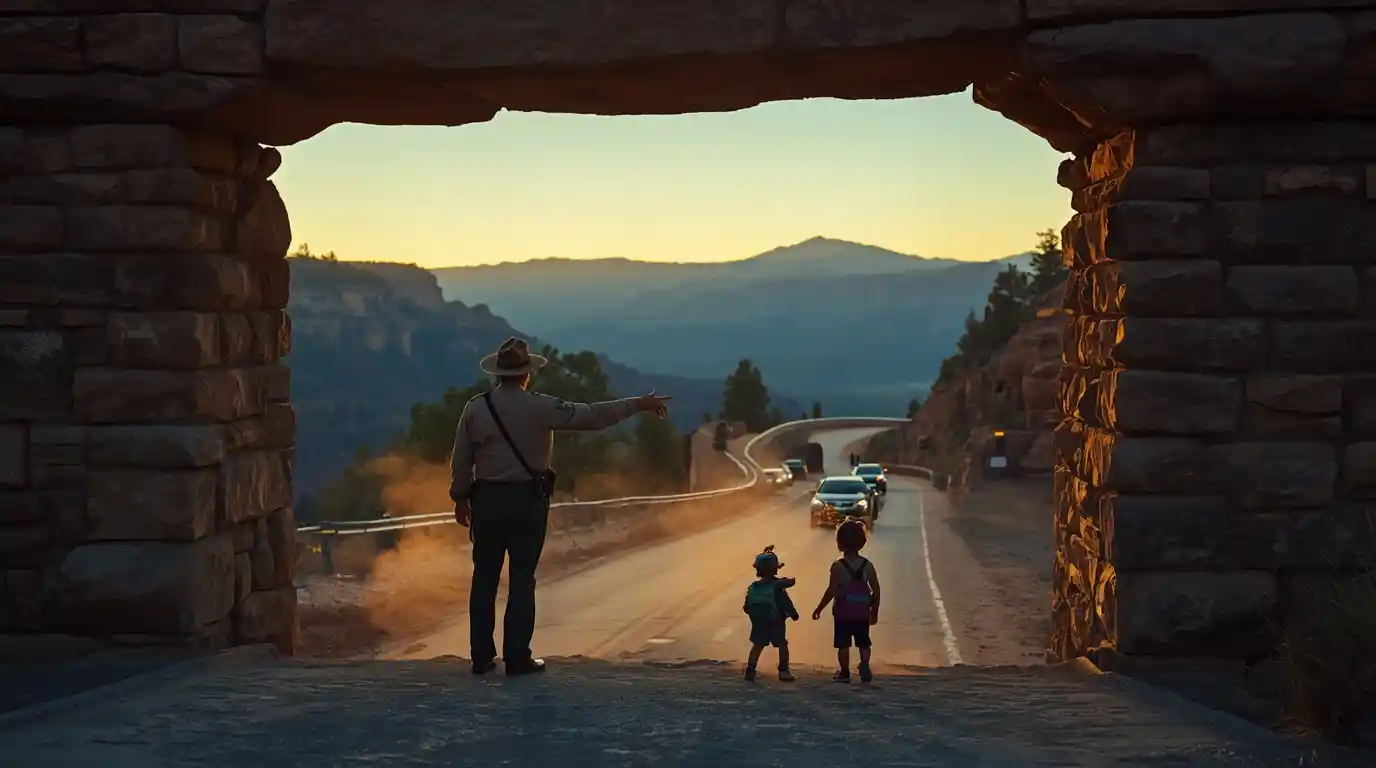
National Park Week is landing four months later than usual this year, and the shift is deliberate. The nine-day run happens August 22 through 30, 2026, instead of the familiar April slot most families have learned to watch for. The Park Service moved it so the celebration wraps around August 25 — the date the agency was created in 1916, and the one day this month when entrance fees drop to zero.
If late August feels like an odd time to throw a party for the parks, it's actually where the tradition started. President George H.W. Bush proclaimed the first one for August 25 through 31, 1991, honoring the Park Service's 75th anniversary. The date later drifted to April so it could ride the attention around Earth Day. This year, the 250th anniversary of American independence pulled it back to its original corner of the calendar.
Here's the part worth writing down: on Tuesday, August 25, every park that normally charges admission waves US residents through for free. That's one of ten fee-free dates the government set for 2026, and it's the last one until Constitution Day in September. The theme for the week is "Celebrate America's Story," tied directly to the 250th.
Why National Park Week Moved to August
The law creating the National Park Service was signed on August 25, 1916. That makes this year's fee-free day the agency's 110th birthday, and lining the whole celebration up with it lets the Park Service fold two anniversaries into one stretch of programming — its own, and the country's. Interior Secretary Doug Burgum framed the parks as the places where the nation's story was written and where it keeps inspiring people.
The system is bigger than most visitors realize. It isn't just the marquee western landscapes.
America's 433 national parks tell the story of the United States — from the battlefields where the nation was forged, to the landscapes that shaped our identity. — Jessica Bowron, National Park Service comptroller
Who Gets In Free, and Who Pays More
This is where 2026 differs sharply from every previous year. The fee-free day is no longer a blanket offer to anyone standing at the gate, and a separate set of charges that took effect on January 1 changed the math for overseas travelers at the busiest parks.
US residents pay nothing on the 25th
Waived entrance fees apply to US residents at parks that normally charge admission. If you were planning to buy a single-visit pass at a big park that day, you keep that money. For anyone weighing the $80 America the Beautiful annual pass, one free Tuesday is a decent test drive before committing.
International visitors face a $250 pass or a $100 surcharge
Foreign tourists now pay $250 for the annual pass rather than $80. At 11 designated parks — Yellowstone, Yosemite and the Grand Canyon among them — skipping that pass means the standard entrance fee plus $100 per adult 16 and older, according to NBC News. Hosting relatives from abroad in late August? Price it before you drive.
The fees that don't disappear
Free entry covers the gate and nothing else. Camping reservations, timed-entry bookings, boat launches, tours and special use permits all still cost what they cost. Several popular parks require a reservation to drive in during peak season regardless of price, so a fee-free day without a booking can still mean a turned-around car.

Expect Company at the Gate
The park system logged more than 323 million recreation visits in 2025, roughly 3% below the record 331.9 million set in 2024, National Parks Traveler reported. A slight dip nationally says nothing about a specific Tuesday in August. Free admission plus the final week before school restarts in much of the country is a reliable recipe for full parking lots by mid-morning.
The practical fix is unglamorous: arrive before 8 a.m. or after 4 p.m., and treat the famous overlook as a bonus rather than the plan. Historic sites, seashores, battlefields and urban parks carry a fraction of the traffic and are running the same anniversary programming.
Three More Free Days Left in 2026
If August 25 doesn't work, the year isn't finished. The remaining fee-free dates are:
- September 17 — Constitution Day
- October 27 — Theodore Roosevelt's birthday
- November 11 — Veterans Day
October and November are the quieter play. Cooler weather, thinner crowds, and none of the summer reservation systems in force at most parks.
How to Use the Nine Days
Each day carries its own theme. Safety Sunday on the 23rd covers heat and trail basics — useful in a month when western parks still run brutally hot. Wildlife programming lands on Wednesday the 26th, and the week closes with National Junior Ranger Day on Sunday, August 30, when kids can earn badges at participating sites.
Check the individual park's own page this week rather than the national one. Event lineups, closures and reservation rules are set locally, and the difference between a great fee-free Tuesday and a wasted tank of gas usually comes down to one line on a park's alerts page.


Comments 0