

The $50,000 Mistake Inside a Toronto Hakka Restaurant
Yueh Tung survived four decades on Elizabeth Street, but it took a TV crew with a stopwatch to find the pricing error that was quietly bleeding the family dry.

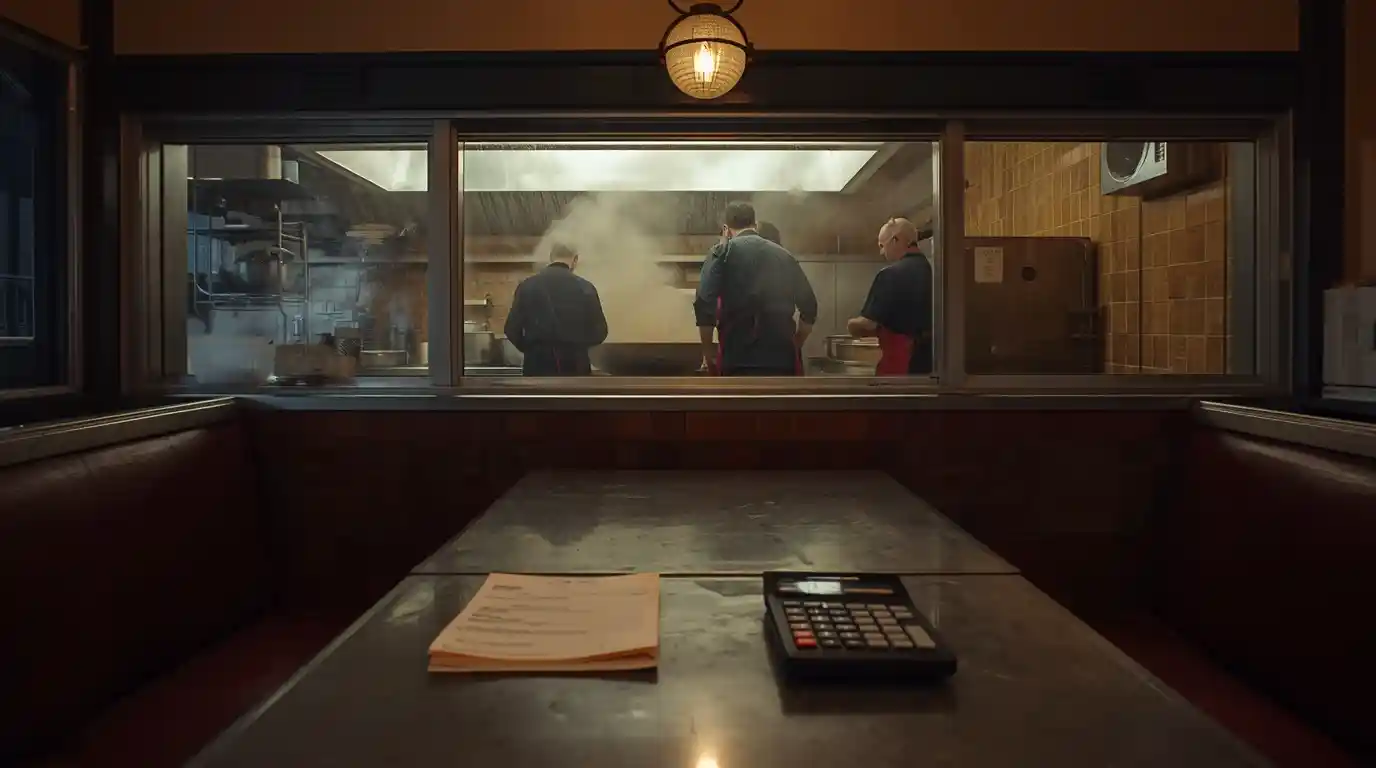
For nearly four decades, a Toronto Hakka restaurant on Elizabeth Street fed City Hall staff, hospital workers and students who missed their mothers' cooking. Then the lunch rush stopped coming back. By early this year, Yueh Tung — the place widely credited with introducing chili chicken and Manchurian chicken to Canada — was close enough to the end that its owners were doing the math on walking away.
What a Food Network crew found when it arrived in late February wasn't a cooking problem. It was an arithmetic one. According to recaps of the episode, a single top-selling dish was priced so far below where it should have been that it was costing the business more than $50,000 a year in revenue it never collected. The fix was about a dollar. Not a dollar of investment — a dollar added to the menu price.
That gap between "the food is great" and "the business works" is the whole story here, and it's the reason this matters well beyond one dining room. Hundreds of independent kitchens across the GTA are run by people who learned the trade at a wok, not in a costing spreadsheet. Yueh Tung just had its version of that gap televised.
The restaurant that taught Canada chili chicken
Yueh Tung opened in 1986. Michael Liu and Mei Wang had come to Toronto from Kolkata, India — home to a Hakka Chinese community whose cooking fuses Chinese technique with Indian spice — and started the restaurant with no prior industry experience. The dishes they put on the menu were unfamiliar in Canada then. Today you'll find versions of them in strip malls from Scarborough to Mississauga.
Their daughters, Jeanette and Joanna Liu, left established careers to take it over. Jeanette runs operations and the front of house; Joanna took the head chef's job. Inheriting a landmark sounds romantic until you see the lease.
The numbers behind this Toronto Hakka restaurant
Strip away the television framing and the situation is brutally simple. The costs are fixed and enormous, the margins are thin, and one mispriced menu item can quietly erase a year of effort.
Rent that eats 40 diners a day
Reported monthly rent for the space runs about $30,000. That's roughly $360,000 a year, or close to $1,000 for every day the doors are unlocked. At a $25 average cheque, the kitchen has to feed about 40 people before a single dollar goes toward food, wages, hydro or the family. Downtown foot traffic never fully returned after hybrid work took hold — but the rent did.
A bestseller that was working against them
The $50,000 figure is the detail worth sitting with. It wasn't waste or theft. It was a popular dish priced years ago and never revisited while beef, oil and labour all climbed. Every extra order made the hole deeper. That's the trap: the more customers loved it, the more it cost to serve them.
A $20,000 budget against a $360,000 year
Hosts Aarón Sánchez and Toronto restaurateur Jen Agg had three days and $20,000. Put honestly, that's less than a month's rent. The original Restaurant Impossible famously ran on $10,000 and two days, so the revival is more generous — but nobody is buying a business out of trouble with that. The money bought paint and equipment. The pricing changes are what could actually keep the lights on.
What actually changed in three days
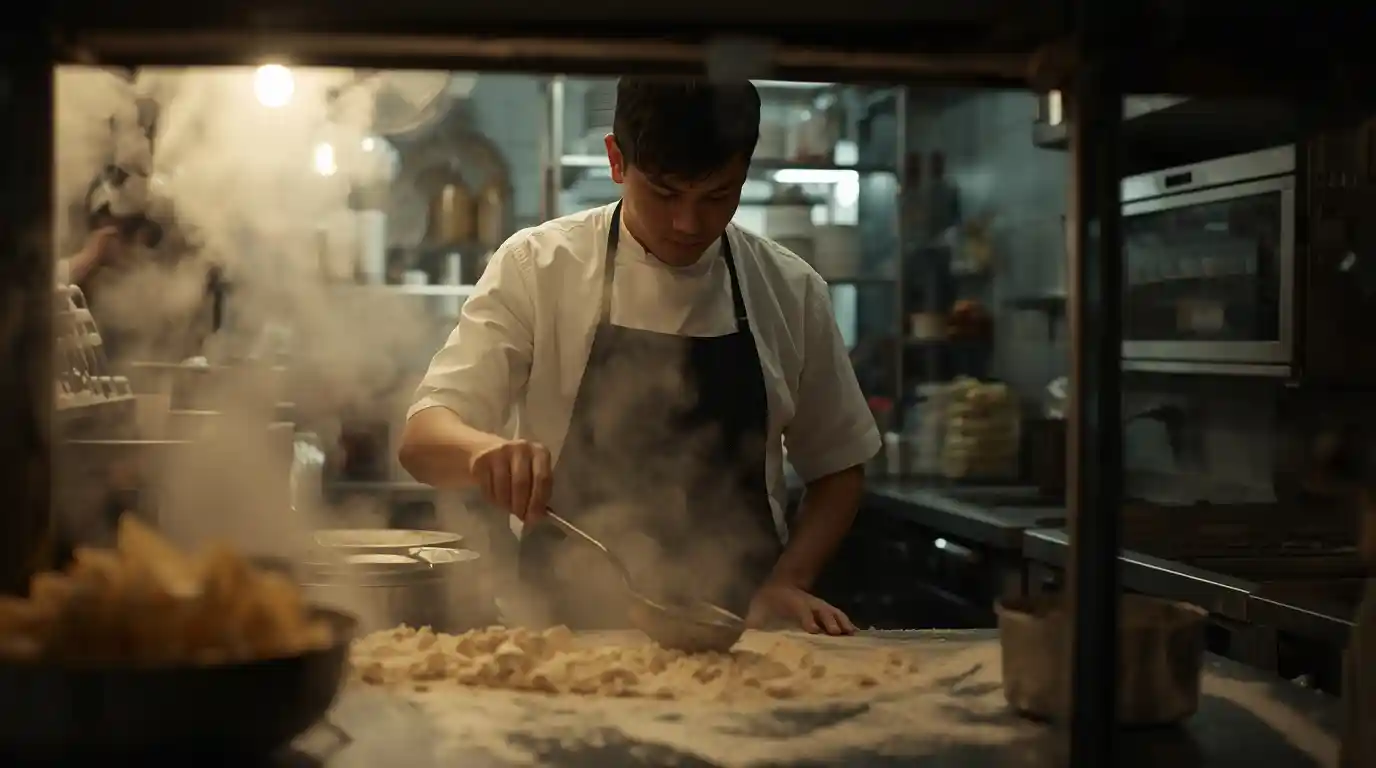
The dining room got a modern refresh, which regulars have described as feeling alive again. Behind that, the less photogenic work: a new appetizer menu built around dishes using the fewest ingredients for the best return, a staffing level trimmed to match real demand, and portions and prices adjusted — roughly a dollar more per dish.
Those last two are the ones customers notice, and they have. Post-episode reviews have been mostly positive, with a recurring note about smaller portions and higher prices. That's the honest trade every independent restaurant in this city is making right now, usually without cameras.
Is it working?
As of this summer, Yueh Tung is open at 126 Elizabeth Street, holding a 4.3-star Google average across more than 2,200 reviews. The sisters have been running private events and collaborations, and Jeanette is reportedly writing a memoir titled The Last Call.
The harder truth is that television spikes fade. Restaurant makeovers have a mixed long-term record, and a 2026 audience bump can't outlast a 2027 lease negotiation. The real test isn't August. It's next February, once the novelty traffic is gone and the rent cheque is still due.
What this means the next time you eat out
If you want places like this to survive, the useful move isn't a one-time visit after a TV episode — it's a Tuesday in November. Order directly rather than through a delivery app, which can take a meaningful cut of every order. And when a long-running neighbourhood spot raises prices by a dollar, read it for what it usually is: not greed, but a business finally charging what the food costs. Watch which Chinatown storefronts are still lit next winter. That's the scoreboard.

Comments 0