

The Canada-U.S. Trade Deal Looks Done. It Isn't Yet
Trump called off a new round of 50 per cent tariffs and declared victory, but what Canada actually has is a three-day pause and no published text.

Saskatchewan Premier Scott Moe spent Wednesday sounding genuinely upbeat about a Canada-U.S. trade deal that, strictly speaking, nobody has signed. Donald Trump had just called off a new round of 50 per cent tariffs on a long list of Canadian goods — wine and hockey sticks among them — and told reporters an agreement was basically there. What he actually granted was a three-day pause, running to Friday, Aug. 21.
No text has been released. Mark Carney's language was noticeably cooler than the president's: substantial progress had been made, the prime minister said, with important work still to be done. People briefed on the talks told Canadian Press reporters that cuts to steel and aluminum tariffs are on the table, but none of them could say how deep those cuts go, or when they would take effect.
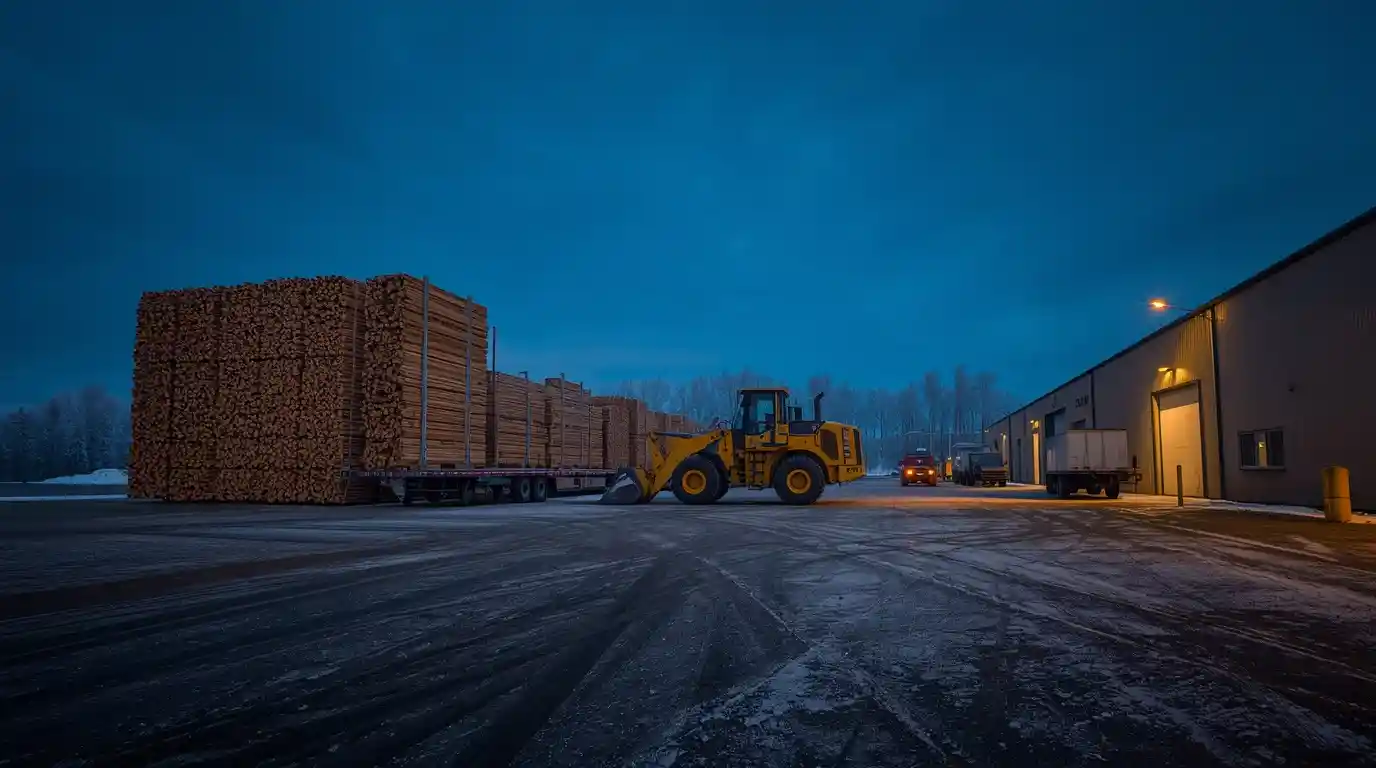
For Prairie readers, the gap between "announced" and "in force" is the whole story. Moe put the share of Saskatchewan's economy actually exposed to U.S. tariffs at roughly five per cent — a small number, unless you happen to work inside it. One provincial sawmill has already suspended operations. An agreement that lands next week does nothing for a shift that ended last month.
What Trump Has Actually Given Up So Far
Not much that can be measured. The president said auto tariffs would come down "a little bit," with no figure attached. He suggested steel and aluminum duties could ease. He floated restarting Keystone XL — the Alberta-to-Nebraska pipeline Joe Biden cancelled in 2021 — as though it were a chip to push across the table, rather than a project needing years of permits and private money. He also claimed Canada had trimmed some of its retaliatory tariffs in return.
Why Moe Says the Old Relationship Is Gone
Moe's most useful remark wasn't the optimism. It was the concession sitting underneath it: the arrangement Canada had two years ago, he said, is not coming back. That's a premier from an export-heavy province telling exporters to stop waiting for CUSMA as they knew it. His pitch instead is comparative — Canada ends up with better access than anybody else gets, even if that access now costs more.
We need to have preferred market access to our largest trading partner. I feel that is what we're in the process of achieving.
It's a modest bar dressed up as ambition. Preferred access, measured against Mexico, the European Union or Japan, is not the same thing as tariff-free access, and Moe plainly knows the difference. Thirteen million American jobs depend on continental trade, which is leverage Canada has — but leverage only pays once terms are written down.

What the Canada-U.S. Trade Deal Leaves Out
Softwood Lumber Didn't Move
Nothing in the reporting so far suggests softwood duties are part of this round. That dispute predates Trump by four decades and runs on U.S. countervailing and anti-dumping determinations, not on presidential mood. Saskatchewan's forest sector is small beside British Columbia's, but it's concentrated in northern communities where a single mill can be most of the town's payroll.
The Mill That Stopped Before the Deal
Moe raised the sawmill suspension himself, as proof the tariffs bite. It's an awkward exhibit on a good-news day. Curtailments track inventory and lumber prices, and both move slowly. Even a finished agreement would take months to show up as a restarted shift — and only if American buyers actually return in volume.
Steel and Aluminum, Scope Unknown
Aluminum shows the clearest damage. Canadian unwrought aluminum shipments were running roughly a quarter below their pre-tariff pace last autumn, on figures cited in Canadian Press coverage. A reduction announced without a rate, a start date or a quota isn't relief yet. Smelters and steelmakers price multi-year contracts off certainty, and certainty is the one thing this week hasn't produced.
Why U.S. Whisky Is Heading Back to Liquor Shelves
Carney asked premiers to return American alcohol to provincial shelves, and this is the piece ordinary shoppers will notice first. Every province except Saskatchewan and Alberta had pulled it. U.S. distillers sell something in the range of $220 million in spirits into Canada annually, so the boycott was real money as well as a visible symbol. Nova Scotia and the Northwest Territories signalled they'd comply; Quebec wants the details first.
What to Watch Before the Pause Expires
Friday is the date to circle. A press conference is not a tariff schedule, so judge this by paperwork rather than adjectives. Specifically:
- A published text or rate schedule, not another joint statement.
- Whether auto tariffs get an actual percentage and an effective date.
- Any mention at all of softwood lumber.
- What Canada conceded — retaliatory tariffs, digital rules, dairy access.
- Whether your province puts American liquor back on the shelf.
If you run a business that ships south, don't rewrite your pricing yet. Negotiators Dominic LeBlanc and Janice Charette are still working against Jamieson Greer's side of the table, and past deadlines in this file have slipped, stretched or been reset outright. Keep your tariff codes current, hold any renegotiated supply contracts short, and wait for the rate sheet before you count the win.




Comments 0