

The Diamond Fight Over Customized Rolex Watches in Quebec
Rolex says a Quebec jeweller sold watches that only looked like its own; the store says every one of them is genuine, just dressed in diamonds.

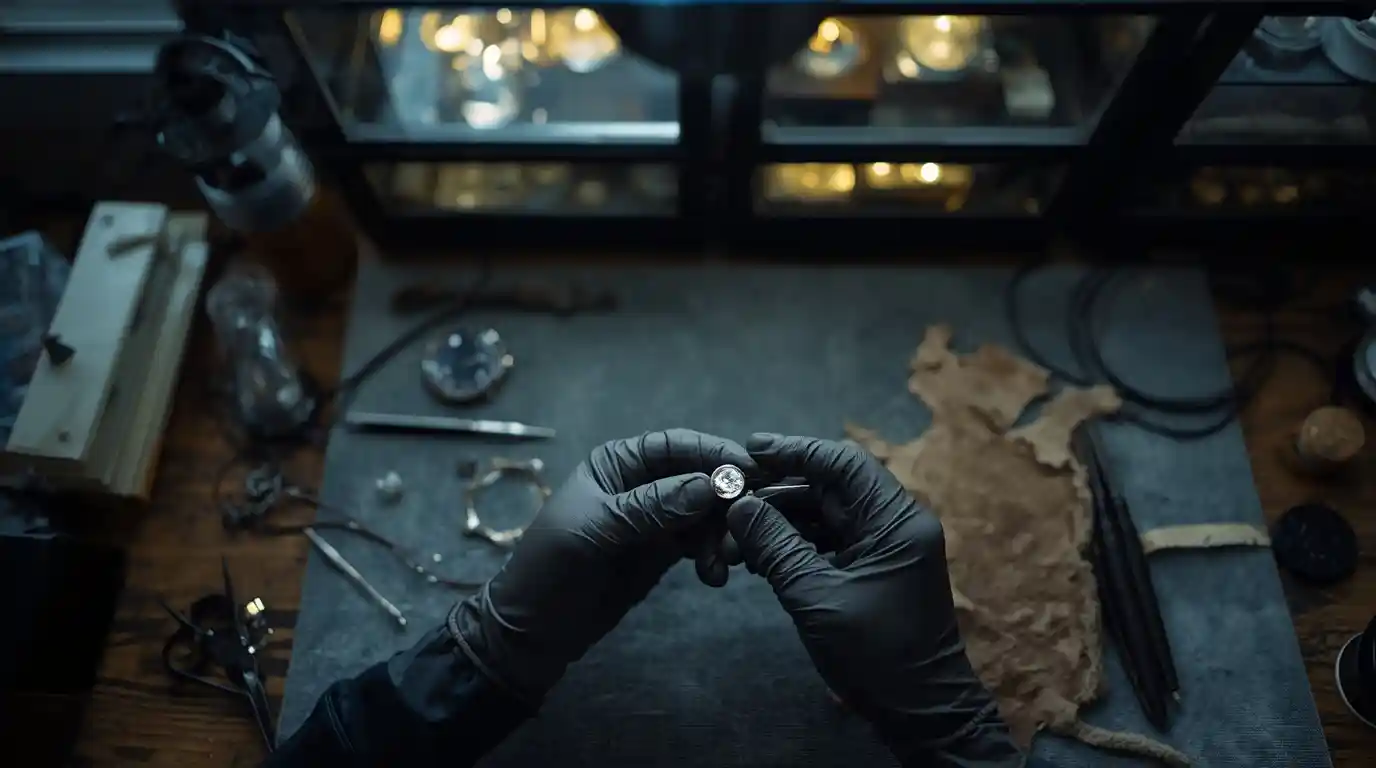
Rolex has pulled a Quebec jeweller into Federal Court over customized Rolex watches, and the strange part is that nobody is describing a back-alley fake. Bijoux Medusa insists every watch it has sold is a genuine Rolex. Rolex argues that once a dial is swapped or diamonds are set into a bezel, the thing left on the wrist is no longer what its name on the face promises a buyer.
The Swiss watchmaker is seeking damages it pleads as exceeding $50,000, plus the standard trademark remedies: stop selling, stop advertising, surrender what's left. CP24 and CTV News reported the case on August 14. The defendant, Bijoux Medusa, is one of the noisiest jewellery names in Quebec, built by Julien Duguay from one Chicoutimi storefront in 2017 into shops in Quebec City and Montreal, plus a busy online business.
If you own a Rolex with aftermarket stones, or you've been eyeing an iced-out model priced well under an untouched one, this matters more than the dollar figure suggests. That $50,000 is a floor written for procedure, not a valuation. What Rolex really wants is a Canadian court order, and there is very little Federal Court precedent telling Canadian sellers where personalization stops and infringement starts.
What Rolex Says the Store Did
The claim alleges Bijoux Medusa sold and modified watches and watch parts carrying Rolex trademarks in a way that made them look like genuine Rolex products the company never made. Some watches, Rolex says, carried counterfeit dials or other non-genuine components. It also pleads unfair competition, using language that tracks the Trademarks Act almost word for word: directing public attention in Canada in a way likely to cause confusion with Rolex goods and services.
That framing is the whole fight. Reselling a genuine watch you own is ordinary commerce in Canada. But a trademark exists to tell a buyer who made the thing. Rolex's position is that a materially altered watch still wearing the crown misstates its own origin, and that every one sold chips away at the goodwill behind the name.
The Store's Answer: These Are Real Watches
Duguay responded publicly on Facebook rather than waiting for a courtroom. His statement, reported by CTV News, is blunt about the counterfeiting label and rejects it outright.
All watches sold by Bijoux Medusa, as well as those currently offered for sale, are authentic. Neither Mr. Duguay nor Bijoux Medusa has participated in the use or trade of counterfeit products.
The company calls customization a legitimate commercial activity and accuses Rolex of trying to control and dominate the market for pre-owned Rolex watches. It also says only a small share of what it sells is customized at all. A formal defence was promised by the end of the month, which is when this stops being press releases and starts being pleadings.

How Customized Rolex Watches Cross the Line
The dial swap
Replacing a factory dial with an aftermarket one — often diamond-set — is the single most legally exposed modification, because the dial is where the brand name physically sits. A buyer glancing at it reads a Rolex-made component. If Rolex didn't make it, that's the confusion the claim is built on.
Diamonds in the bezel and case
Setting stones into a steel bezel or lugs means cutting into parts Rolex machined. It's irreversible, it changes the watch's specification, and it's the reason service centres treat these pieces differently from an honest scratch or a replaced strap.
How it gets advertised
Wording does a lot of work here. A listing that says "Rolex, customized by us, aftermarket diamond dial" tells a very different legal story than one that just says "Rolex" beside a glittering photo. Courts elsewhere have leaned hard on exactly that distinction.
Rolex Has Fought This Before, and Won
This is not the brand's first swing at a customizer. Trade outlet The Fashion Law has reported a string of court wins for Rolex over modified watches, including a decision against the customizer Skeleton Concept. American judges have generally accepted the argument that heavy alteration plus a retained trademark equals infringement, even when the base watch was undeniably real.
The Quebec dispute carries extra friction of its own. Bijoux Medusa drew criticism earlier in 2026 over a web series that used the Rolex name in its title while following homeless participants, and a planned Montreal location puts the store near authorized Rolex retailers. Neither fact decides a trademark case, but neither makes the brand feel neighbourly.
What It Means If You Own One
Nothing changes today — no injunction has been granted, and Federal Court cases like this routinely run for years. Still, a few practical things are already true. Rolex's service network won't reinstall non-genuine parts, so a diamond-set aftermarket dial can complicate a routine overhaul. Resale is thinner, because collectors price original condition above sparkle. And if a ruling lands against customizers, the Canadian market for these pieces gets narrower fast.
If you're shopping, ask the seller in writing which components are factory and which are not, and keep that answer with the box and papers. Then watch for the defence filing at the end of this month: whether Bijoux Medusa argues the watches were never altered, or argues that altering a watch you legally own is nobody else's business, will tell you which way this case is actually headed.




Comments 0