

The Harvey Nichols Administration Lasted a Single Day
Mike Ashley's Frasers Group bought Britain's most famous fashion department store out of insolvency in a same-day pre-pack, ending 35 years of Hong Kong ownership.

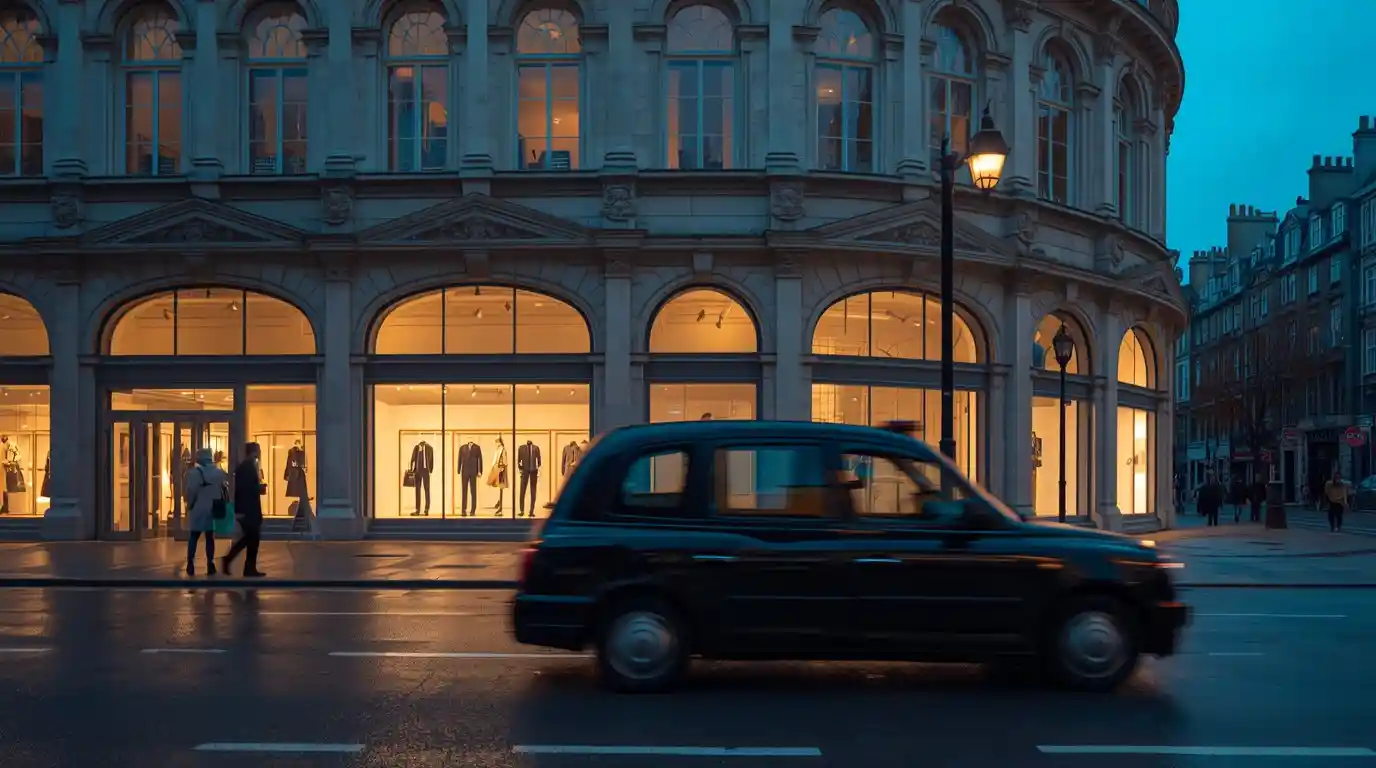
The Harvey Nichols administration was over almost as quickly as it began. On Thursday the luxury chain's parent company tipped into insolvency and, in the same motion, the shops were sold to Mike Ashley's Frasers Group. There was no auction, no months of limbo, no "everything must go" banners. The buyer had already signed before administrators from FTI Consulting formally took charge.
Frasers — the owner of Sports Direct, Flannels and House of Fraser — takes all six UK stores: Knightsbridge, Manchester, Birmingham, Bristol, Leeds and Edinburgh. The website and the stock come with them. The Dublin shop was left out of the deal. More than 1,000 of roughly 1,200 jobs transfer across. Bloomberg reported that Frasers saw off Next, which had also been circling.
What makes this stand out isn't the buyer. It's the price tag nobody would confirm. Sir Dickson Poon bought Harvey Nichols from the Burton Group in October 1991 for £53.6m. Ashley told the Financial Times he wouldn't go above £40m for a business he described as being in a "death spiral". Thirty-five years on, the ceiling he set sat below the 1991 cash price — before you adjust for inflation at all.
Why the Harvey Nichols administration happened so fast
This was a pre-pack. The sale is negotiated in secret while the company is still trading, then the business enters administration and completes the deal within hours. Insolvency practitioners like it because it preserves goodwill: staff turn up, tills open, concession brands don't panic and pull their stock overnight. A slow, public collapse destroys the very thing a buyer is paying for.
The trade-off falls on unsecured creditors. Landlords, small suppliers and anyone owed money by the old company are left with a claim against a shell while the trading business walks away clean. Pre-packs are legal and common in UK retail, but they've drawn steady criticism from the Insolvency Service and MPs for exactly that reason.
£48.7m gone in twelve months
The accounts explain why the ending was abrupt. In the year to March 2025, sales fell 10% to £184.8m and the group lost £48.7m after tax. Liabilities exceeded assets by £36m, against a £10.7m surplus the year before. It was the fifth straight year of losses.
Cash was the real problem. The business took £33m in fresh loans during the year and finished with about £2m of liquid funds. Shareholder debt reached £152m. Directors warned that without a sale or new money the group would stop trading. Put plainly: it was running a national chain of luxury stores on roughly one week of payroll.

What it means for shoppers, staff and brands
A pre-pack looks seamless from the pavement, but the legal reality is that one company died and another bought its assets. That distinction decides who gets paid and who doesn't, and it affects three groups differently.
If you're holding a gift card
Gift cards are a debt of the old company, and a buyer isn't obliged to honour them. When Sports Direct took over House of Fraser in 2018, vouchers weren't accepted at first. Frasers hasn't set out its position here. If you have credit or a gift card, spend it in the next few weeks rather than saving it for Christmas.
If you work in one of the stores
Employment contracts usually transfer under TUPE, which is how those 1,000-plus roles carry over. But Frasers has flagged a review of the shop portfolio, structure, operating model and costs. Chief executive Michael Murray has already warned of "tough choices". Head office and buying teams tend to be hit before shop floors.
If your label sells on concession
Concession brands owed money for goods already sold are unsecured creditors of the old entity and are unlikely to recover much. New terms will be negotiated with Frasers, which has a reputation for driving hard bargains with suppliers. Check whether your stock is on consignment or sold outright — that single detail determines who owns it now.
Ashley has run this play before
In 2018, Sports Direct bought House of Fraser out of administration for £90m and then shut a long list of branches while pushing rents down hard. The template is familiar: buy distressed, keep the name, close what doesn't work, plug the rest into an existing warehouse and buying operation.
Harvey Nichols fits Frasers' stated march upmarket. Flannels has been its premium engine for years, and Knightsbridge gives it a genuine luxury address opposite Harrods. The risk is the same one that broke the previous owner — Harvey Nichols spent a decade squeezed between Harrods, Selfridges and online luxury platforms, and being owned by the company behind Sports Direct won't automatically fix its standing with the big fashion houses.
What to watch over the next six months
Watch the regional stores first. Bristol and Birmingham have long been the weakest links in the estate, and any closure notices will land quietly through landlords rather than press releases. Watch, too, whether outgoing chief executive Julia Goddard's team stays, and whether the overseas franchise stores keep the name. If you shop there, use your credit now, keep receipts and check the returns policy before you buy — it belongs to a new company today, whatever the sign above the door still says.

Comments 0