

The £369 Ticket Mix-Up Behind the KPop Demon Hunters Lawsuit
A Seattle metal band that has toured for 25 years says Netflix's record-breaking cartoon has made its own name unsellable — and a confused fan's refund request is now evidence.
The KPop Demon Hunters lawsuit begins, oddly, with a refund request. According to the complaint filed in California on Tuesday 18 August, a fan in Albany, New York spent $500 — around £369 — on tickets to see a band called Demon Hunter, then asked for the money back on realising they had booked entirely the wrong act. They had been trying to buy tickets to the cartoon.
That mix-up is now the centrepiece of a legal fight between a Seattle metal band and the most-watched thing Netflix has ever put out. The band's company, Hyde Lane, is suing Netflix, Netflix Studios and AEG Presents, alleging trademark infringement, unfair competition and brand confusion. It wants the KPop Demon Hunters name taken off recorded music, merchandise and, above all, concert tickets.
For British readers this isn't a distant American squabble. Golden, the film's breakout single, spent ten non-consecutive weeks at number one on the Official Singles Chart — the longest run any animated act has ever managed here, drawing level with The Archies and Sugar, Sugar from 1969. The tour at the centre of the case covers 150 cities. That is not a US-only number.
How a band formed in 2000 ended up suing a cartoon
Demon Hunter started in Seattle in 2000 and has worked steadily ever since: twelve studio albums, the most recent being There Was a Light Here in 2025, and 25 years on the road. They are not a household name. Louder puts them at roughly 350,000 monthly Spotify listeners — a respectable mid-tier metal career, the kind that fills clubs and small theatres rather than arenas.
Netflix released KPop Demon Hunters on 20 June 2025. It went on to overtake Squid Game as the platform's most-watched title of any kind, passing 540 million views. It took Best Animated Feature and Best Original Song at both the 2026 Golden Globes and the Oscars. The video for Golden has since cleared 1.6 billion views on YouTube.
What the KPop Demon Hunters lawsuit actually claims
The band isn't arguing that Netflix stole a film idea. The claim is narrower and, in trademark terms, sharper: that Netflix has walked its cartoon out of cinema-land and into the exact business Demon Hunter has occupied for a quarter of a century — selling records, selling shirts, selling gig tickets under a name a buyer could easily mistake for theirs.
The live tour is the real target
Netflix and AEG Presents confirmed a global KPop Demon Hunters concert tour on 13 May 2026, spanning 150 cities with shows starting in 2027. The complaint says the defendants have "taken step after step to move into almost complete overlap" with what Hyde Lane sells under the Demon Hunter mark. A film is one thing. A touring live music act carrying almost the same name is another.
What the band is asking the court for
Hyde Lane has demanded a jury trial and is seeking an injunction stopping use of the name, plus treble damages, exemplary damages, Netflix's profits from the mark and legal costs, according to TheWrap. The sum is listed as not yet ascertainable — standard at this stage, and a signal that the number depends on how much tour and merchandise revenue eventually gets counted.
350,000 listeners against 27 million
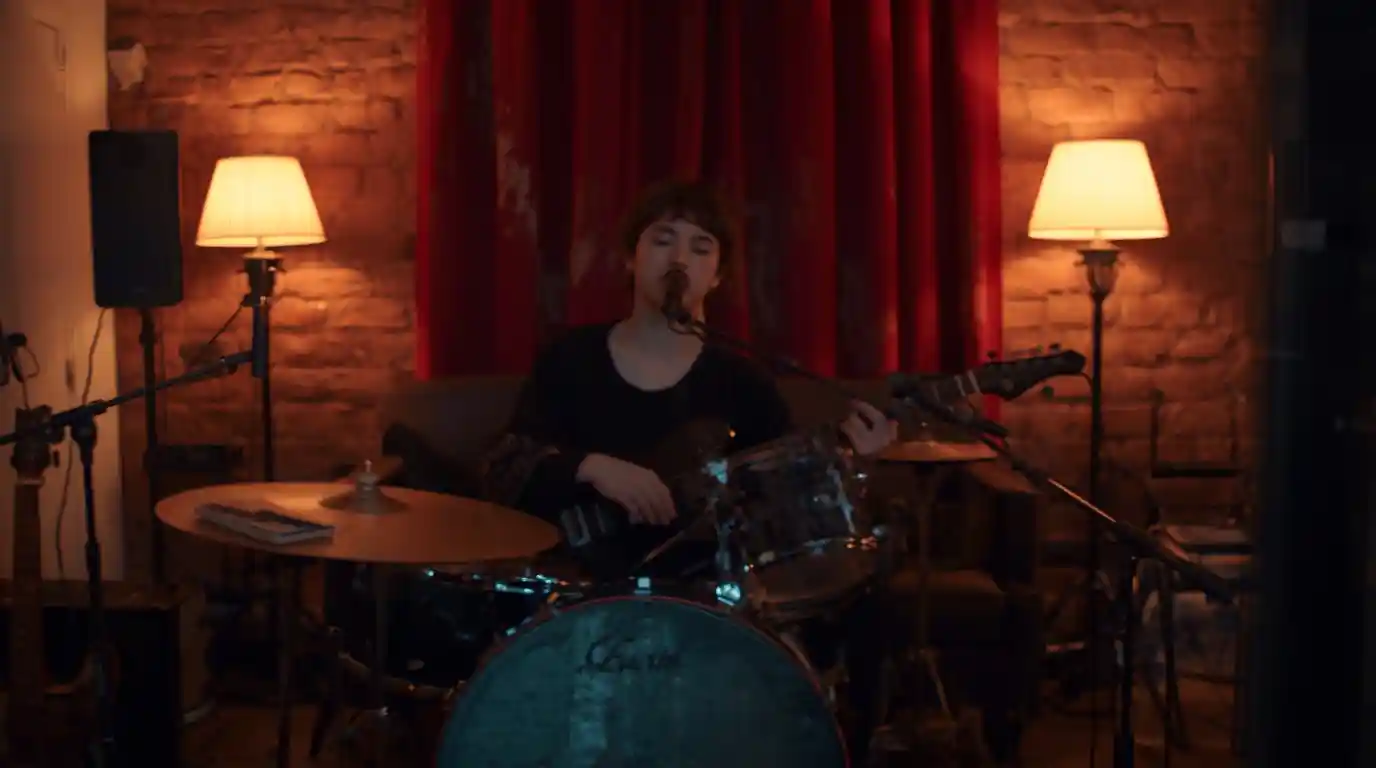
The scale gap is the whole story. Demon Hunter's roughly 350,000 monthly Spotify listeners sit against about 27 million for the film's fictional cast. That's a multiple of roughly 77. When a name gets that much louder overnight, the smaller holder doesn't just lose search results — it can lose the ability to sell its own tickets without a disclaimer.
The brand that Hyde Lane has carefully built over the course of the past quarter century now faces an existential crisis.
Netflix rejects it flatly. The company told TheWrap the allegations are without merit and that it has created an Academy Award-winning global phenomenon. AEG declined to comment. It's worth noting that earlier coverage, including NME's, reported no comment from either party, so the statement appears to have followed the initial wave of reporting.
Should you hold off on buying tour tickets?
Practically, no — because there is nothing to buy yet. As of late June, no city-by-city dates, venues, on-sale times or prices had been published for the 2027 run, and UK dates remain unannounced. Netflix is running a waitlist. If you sign up, the sensible move is to buy only through the official on-sale when it opens rather than resale sites.
The Albany episode is a useful warning in itself. Two acts, similar names, one search box. Before you pay, check the venue's own listing and the performer name in full. A theatre-sized room in a mid-sized city is very unlikely to be hosting an arena-scale animated production.
What happens next
Trademark cases like this rarely reach a jury. The realistic outcomes are a settlement, a licensing arrangement, or a negotiated boundary — Netflix keeping the name for the film while limiting how it's used on tour branding and merchandise. Courts weigh which party used the mark first and whether ordinary buyers are genuinely confused, and the band has handed over a real confused buyer as exhibit one.
Watch two things over the coming months: whether Netflix and AEG name UK venues before the case moves, and whether any early filing seeks to pause tour branding. If tickets go on sale with the dispute unresolved, read the billing carefully — and if you were planning a night out with a Seattle metal band instead, check that twice too.


Comments 0