

The £403 Repair Bill Behind Britain's Most Reliable Used Cars
Fresh 2026 repair data shows the second-hand cars that break least are also, mostly, the ones that cost least when they finally do.

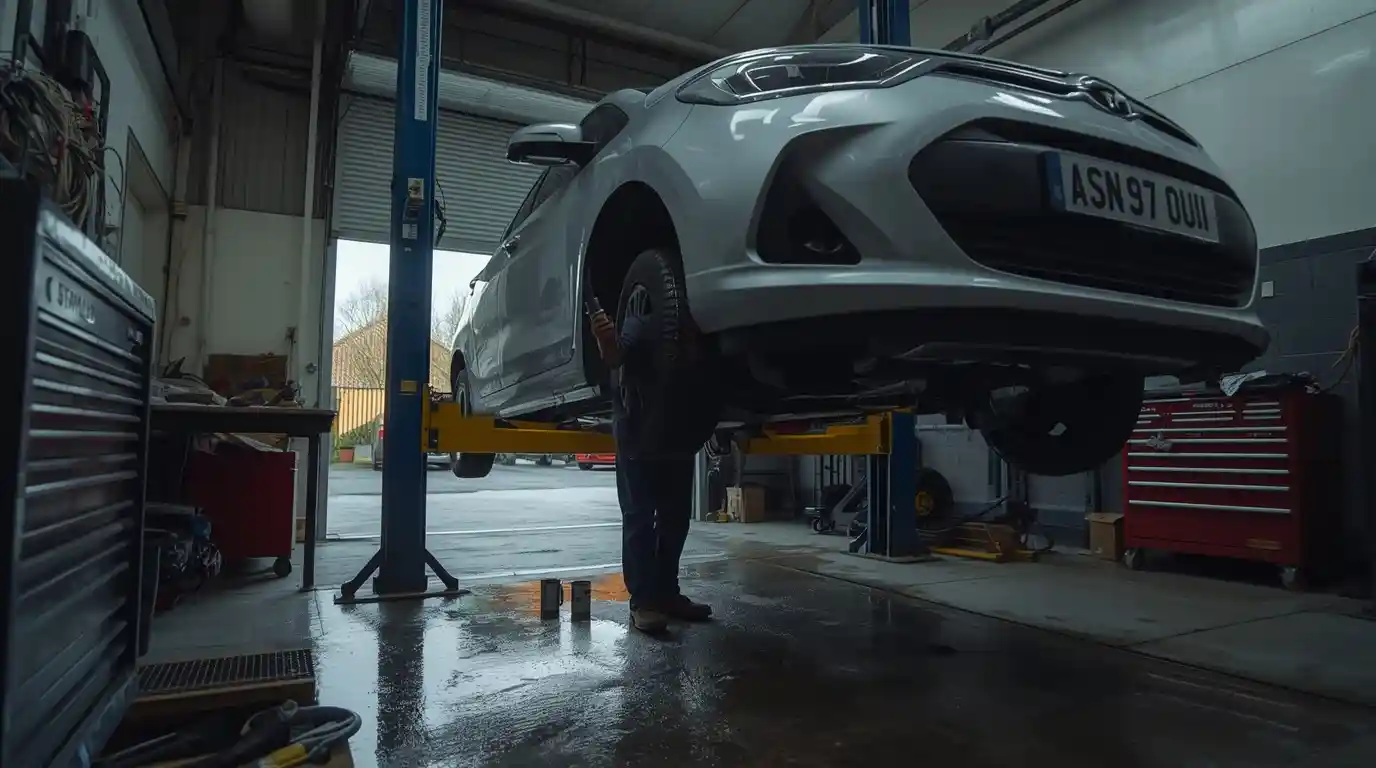
Ask anyone who fixes cars for a living what to buy second-hand and you rarely get a glamorous answer, and the numbers behind Britain's most reliable used cars back them up. Warrantywise published its 2026 Used Car Reliability Index in April, built from more than 1.6 million data points covering repairs carried out between 2023 and 2026. The Toyota Yaris came first with 89.2 out of 100. Second was the Kia Picanto.
The Picanto is the interesting one. Its average repair bill, when something does go wrong, is £403.49 — less than a quarter of what the Toyota RAV4 costs to put right, at £1,731.04, despite the RAV4 sitting only two places below it in the same top ten. Reliability and affordability are not the same thing, and the gap between them is where most people's budgets come unstuck.
That matters more than usual right now. SMMT figures show 7,807,872 used cars changed hands in Britain in 2025, up 2.2 per cent, with the market growing again in the second quarter of 2026. Average asking prices are hovering near £17,000. Spend that, then get handed a four-figure bill eighteen months later, and the bargain evaporates.
Where That £403 Repair Bill Comes From
Warrantywise builds its index from actual claims — what broke, on what car, and what the garage charged. That is a different animal from asking owners whether they're happy. Antony Diggins, the company's managing director, has made the point that reliability feeds straight into the total cost of running a second-hand car, not just the inconvenience of it.
The rest of the top ten reads like a car park at a supermarket: Toyota Aygo (£480.64 average repair), Peugeot 108 (£702.29), Citroën C1 (£659.87), Suzuki Vitara (£689.70), Kia Ceed (£709.10) and Suzuki Swift (£723.39). Toyota took four of the ten places outright, including the Hilux pickup. Nothing there costs a fortune new, and nothing there is complicated.
Why the Most Reliable Used Cars Are Nearly All Small
Simplicity is the whole story. A city car has fewer sensors, fewer actuators, a smaller turbo or none at all, no air suspension and no diesel particulate filter to clog. When something fails, it's usually a part a general garage can source and swap in an afternoon. What Car?'s reliability survey found the fourth-generation Toyota Yaris, from 2020 onwards, went 24 months without a single owner reporting a fault at all.

What to Check Before You Hand Over Cash
Read the MOT history, not the advert
DVSA records show roughly 21.7 per cent of tested vehicles fail on at least one item, and a failed car averages 2.47 defects — which tells you the problem is usually neglect, not bad luck. Lighting and signalling (12.75 per cent), suspension (10.67), tyres (10.05) and brakes (8.99) dominate. Advisories repeated across three years are the tell.
Ask what a big repair actually costs
Before you buy, search the specific model plus its known weak point. Industry estimates put the typical UK repair bill at around £597, but that average hides everything. A clutch and dual-mass flywheel on a small diesel can run £600 to £1,000 on its own, according to the buying guide Not an Octavia.
Watch out for the wrong engine in the right car
Model names mislead. The same guide flags the Fiat 500 with the 1.3 Multijet diesel, whose small particulate filter blocks up on short trips — £700 to £1,500 to sort, with turbo failures adding £600 to £1,200 fitted. The 1.2 petrol version of the identical car has none of those failure modes. Buy the engine, not the badge.
Why the Reliability Surveys Disagree
Don't treat one league table as gospel. The 2026 Driver Power survey, published in late June and based on responses from 100,000 drivers, put the Tesla Model 3 top on 90.54 per cent, followed by the Volkswagen T-Roc and BMW 1 Series — barely any overlap with the repair-cost data. Owner satisfaction rewards cars people enjoy. Claims data rewards cars that don't cost anything.
Both are legitimate; they answer different questions. If you're keeping the car three years on a lease-style budget, satisfaction scores are useful. If you're buying outright at seven years old with no warranty behind you, follow the claims data.
What to Watch Over the Next Year
Used electric cars are the variable nobody has enough history on yet. Early EVs are now falling into the sub-£10,000 bracket, where buyers traditionally take a punt on an unloved diesel instead, and the repair economics — battery health, main-dealer-only diagnostics — are still being written. Until that data matures, the safest play remains the boring one: a small petrol hatchback with a fat folder of receipts, bought from someone who can explain every advisory on it. Check the MOT history before you check the paintwork.




Comments 0