

Tiny Tourism Says Skip Dublin's Pubs, Try a Supermarket
A BBC Travel writer spent a Dublin weekend obeying a rule that bans famous sights — and came back with a verdict Indian travellers can borrow cheaply.

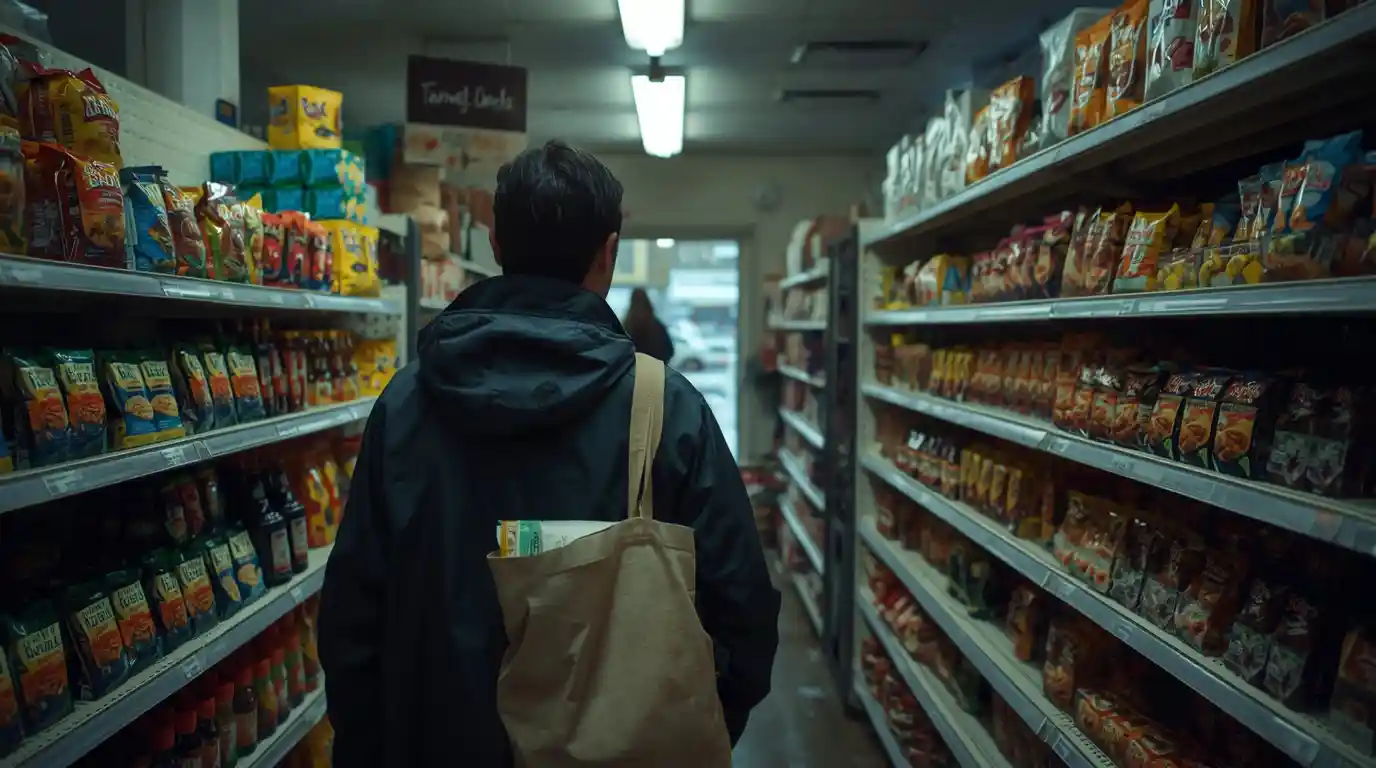
Tiny tourism is the travel idea making the rounds this season, and its core instruction is almost rude: if something feels like an obvious tourist thing to do, go do something else. No queue for the famous brewery. No rooftop with the view everyone photographs. Instead, walk into a supermarket. Ride a local bus to the end of its route. Look at what people have planted in their front gardens.
The phrase comes out of a report published in April 2026 by It's Nice That, a UK creative platform. Its lead editor, Liz Gorny, had noticed something odd in the way colleagues talked about their holidays — the first stories out of their mouths were about a cafe, or a strange flavour in a grocery aisle, almost never the monument they had stood in line for. BBC Travel then put the theory on trial, sending writer Laura Hall to Dublin for a long weekend with her daughter and orders to avoid the headline attractions.
The idea landed at a useful moment. Data cited by Travel Tomorrow from a visit.brussels survey shows how lopsided city tourism has become: 97% of visitors had been to or planned to visit the Grand-Place and central Brussels, while only 20% made it to the Flagey and Châtelain areas and 13% to Saint-Gilles. One square absorbs almost everyone. The rest of a capital city sits there, empty of visitors, three tram stops away.
What Tiny Tourism Actually Asks You to Do
There is no app and no booking. The method is a filter you apply to your own itinerary. Suggested activities include browsing a pharmacy, taking public transport with no destination in mind, digging through second-hand shops, walking residential streets, and paying attention to details most people photograph past — street signs, door colours, what a chemist stocks that yours at home doesn't. The point is comparison. You are measuring an ordinary day there against your ordinary day here.
The Dublin Test, and What It Missed
Hall's weekend involved a supermarket run that turned up crisp flavours she couldn't get at home, thrift shopping along Capel Street, and a swim at the Forty Foot in Sandycove, the sea-bathing spot locals actually use. Some of it worked beautifully. Some of it was just a shop. A pharmacy in Dublin, it turns out, is largely a pharmacy.
Her honest conclusion is the most useful part. Cutting out every major sight left the trip thin — you lose the history, the context, the reason the city looks the way it does. She landed on a middle path: keep two or three of the big ones, then spend the rest of the time being nosy. That is a far more practical rule than the original.
Why Europe Is Suddenly Open to This
Anti-tourism feeling has hardened fast. Demonstrations have been recorded across more than 40 Spanish cities, and Forbes reported in July 2026 on a backlash spreading through Barcelona, Venice, Rome, Milan and Paris, driven by housing costs and cruise-ship crowds. Barcelona pushed its nightly visitor tax to among the highest in Europe in April 2026 and plans to phase out short-term rentals by 2028. Venice kept its €10 day-tripper fee. Nice and Cannes began capping cruise passengers this summer. On 18 March 2026, a European Parliament committee formally called overtourism one of the continent's most urgent problems.
How to Use the Idea From India
Indian outbound travel is projected to reach roughly 40 million trips in 2026, according to industry estimates, with the UAE still the runaway favourite at around 8.6 million visits. Long-haul Europe remains expensive and hard-won, which is exactly why squeezing more out of each day matters more here than it does for a Londoner popping over for a weekend.
Ireland is its own visa, not a Schengen add-on
This trips up first-timers constantly. Ireland is not in the Schengen area, so a French or German visa will not get you into Dublin. Indian passport holders need a separate Irish short-stay Type C visa, applied for through VFS Global. Fees start around €60 — roughly ₹5,500 at current rates — with processing that visa advisories put at four to eight weeks, and longer in peak months. Apply early or the trip simply doesn't happen.
Build one ordinary errand into each day
Do not restructure your whole holiday around this. Add a single unglamorous stop per day: a neighbourhood grocery, a suburban train line, a Sunday market away from the centre. Ireland's Indian community now numbers over 50,000, mostly in Dublin, Cork, Galway and Limerick — which means Dublin also has South Asian grocers and canteens worth a look for how differently they read abroad.
The version that saves you money
This is the underrated bit. Attraction tickets, guided tours and central restaurants eat the biggest share of a Europe budget. A day spent on a transit pass, a bakery and a charity shop costs a fraction of one museum-and-lunch afternoon. Cutting two paid attractions from a week can fund an extra night's stay.
Where the Whole Thing Falls Apart
Be honest about the limits. Nobody has shown that browsing supermarkets reduces crowding at the sights, because the people causing the congestion are not reading design reports. There is also a whiff of the well-travelled about it — skipping the Book of Kells is a luxury available to someone who can return. If you have saved for two years and flown eight hours, go see the thing.
The workable takeaway is the compromise, not the rule. Book your two must-sees for early morning slots when the queues are shortest, then leave the afternoons genuinely unplanned and let the city be boring at you. Watch for more tourist levies and rental crackdowns before you book Europe for next summer — those costs are rising faster than airfares, and they are the part your itinerary can't dodge.


Comments 0