

Trump's FDA Commissioner Nominee Was His Third Choice
Heidi Overton got the nod to run the Food and Drug Administration only after two other candidates said no — and the Republican senator running her hearing already has doubts.
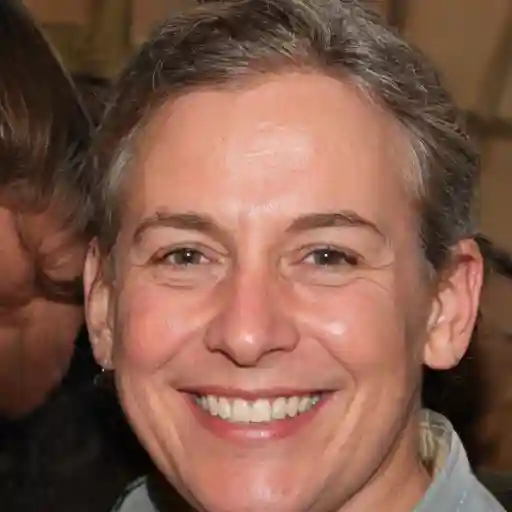
President Donald Trump's FDA commissioner nominee, Dr. Heidi Overton, was not his first choice for the job — or his second. Overton, the deputy director of the White House Domestic Policy Council, got the call this week after at least two other candidates turned the position down, a senior administration official told NBC News. The White House was reportedly still interviewing people for the role days before the announcement went out.
The chair has been empty since May 12, when Dr. Marty Makary resigned after roughly a year in charge. Kyle Diamantas has been running the agency as acting commissioner ever since. He was offered the permanent post and said no, citing his young children and other personal reservations, according to NBC News. Former Representative Brad Wenstrup, a Republican from Ohio, also passed on it.
This is more than an org-chart story. The FDA signs off on the prescriptions in your medicine cabinet, the generics that keep those prescriptions affordable, infant formula, vaccines, sunscreen, medical devices and vaping products. Whoever runs it shapes how fast a new treatment reaches a pharmacy shelf and which warnings end up on the box. The FDA commissioner nominee still has to clear the Senate first.
Two People Said No Before She Said Yes
Turning down a job that comes with a televised confirmation hearing isn't unusual. Two refusals in a row for one of the most prestigious posts in American medicine is a different signal. The FDA has been a bruising place to work since early 2025, and the commissioner sits squarely between a White House with strong opinions about health policy and a career staff that has watched colleagues leave in waves.
What to Know About the FDA Commissioner Nominee
Overton is a physician with both an MD and a PhD, and she has spent most of the past several years in policy rooms rather than in a clinic. Here's the short version of a résumé the Senate will spend weeks pulling apart.
From New Mexico Medical School to the West Wing
She attended medical school at the University of New Mexico, earned a doctorate in clinical investigation at Johns Hopkins, and is board-certified in public health and general preventive medicine. She served in the first Trump administration, then led the health policy center at the America First Policy Institute as its chief policy officer before returning to the White House staff.
Where She Stands on Abortion Pills
At the think tank she wrote against expanding abortion access, including a 2023 piece arguing that abortion pills are far more dangerous for women than supporters admit, and criticizing the Biden administration for loosening the rules around them. Anti-abortion groups have said openly that they expect her to tighten FDA restrictions on mifepristone. In states where the pill is the main route to a legal abortion, that would land hard.
The Vaccine Order She Helped Roll Out
Overton was in the Oval Office on August 10 when Trump signed an executive order scaling back childhood immunization recommendations, per TIME. Trump tied the move to rising autism diagnoses; decades of research show no link between vaccines and autism. That order is exactly why Senator Bill Cassidy, the Louisiana Republican who chairs the committee handling her nomination, has questioned her commitment to sound science.
Why the Last FDA Chief Walked Out
Makary quit days after reports that the White House was preparing to fire him. The trigger, according to multiple outlets, was Trump's decision to lift the ban on fruit-flavored e-cigarettes — a call Makary opposed and didn't want to defend under oath on Capitol Hill. His tenure also featured surprise drug rejections, heavy staff losses, and pressure from Health Secretary Robert F. Kennedy Jr.'s circle to move faster on abortion pills.

An Agency That Has Lost a Fifth of Its Staff
The numbers explain the morale problem. STAT reported the FDA shed about 3,500 employees — roughly 19% of its workforce — in the months following the April 2025 layoffs. The drug review center alone fell from 6,044 staff at the start of fiscal 2025 to about 4,951 by year's end, cycling through five directors and adding no new user-fee hires this year. Cassidy put his objection plainly:
Her lack of managerial experience does not prepare her well for leading a large organization that is already dealing with staffing and morale issues.
What This Means for Your Prescriptions
Trump's announcement promised lower drug prices, faster cures and more American innovation, and Overton has championed "most favored nation" pricing deals that peg what the U.S. pays to cheaper prices overseas. If those hold, you'd see it on a pharmacy receipt. The counterweight is arithmetic: a thinner review staff slows generic approvals, and generics are where most American households actually save money.
What Happens Next
Watch the Senate HELP Committee calendar. Cassidy is a physician as well as a Republican, and he has already put his concerns on the record, which makes his questions worth reading closely. Expect hearings this fall on mifepristone, the vaccine schedule, and whether an FDA commissioner nominee who has never run a large agency can steady one. Until a vote happens, Diamantas holds the seat — and by November the FDA will have gone six months without a confirmed leader.




Comments 0