

What the Fort St. John Shootings Mean for Your School Run
Fort St. John's mayor wants B.C.'s anti-gang unit sent north after a third targeted shooting in under a month — and classes resume in about three weeks.

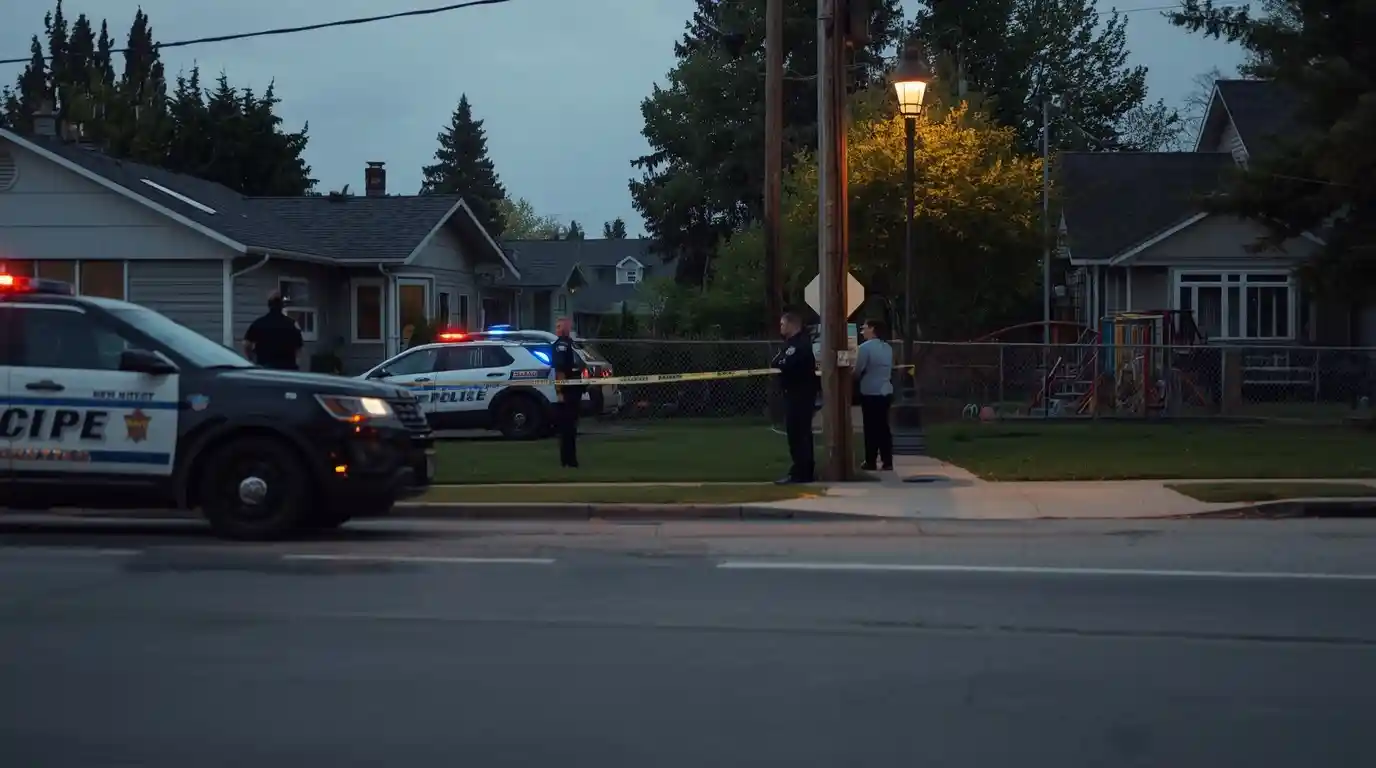
The Fort St. John shootings that have rattled northeastern B.C. share one detail the city's mayor keeps coming back to: every one of them happened near a school. Mayor Lilia Hansen is now asking the province to send in B.C.'s dedicated anti-gang unit, arguing that a city detachment of this size shouldn't be absorbing a regional gang conflict on its own, according to CBC News.
The count is three in under a month. RCMP say the run started on July 22, when at least one man was hurt and later charged, and that the most recent was a shooting at a home on Friday night. Police describe all of them as targeted, and say they're tied to an ongoing gang conflict that reaches across the Peace Region rather than being confined to one city block or one crew.
Here's why that timing matters to families more than the usual crime headline does: B.C. schools go back in early September, roughly three weeks from now. For the past month the streets around those buildings have been empty of kids. In September they won't be. That's the window the mayor is effectively trying to close, and it's a short one.
Three Nights of Gunfire, Three Weeks Apart
The July 22 incident set the tone. CJDC-TV reported that multiple shots were fired shortly before 9 p.m. near 112th Avenue and 108th Street, a residential pocket of the city, and that RCMP treated it as targeted from the start. Officers went door to door the same night asking neighbours to hand over doorbell and dashcam footage — the kind of appeal that signals police had few witnesses willing to talk.
Multiple Fort St. John RCMP units are on scene canvassing the neighbourhood.
That was Const. Chad Neustater, quoted by CJDC-TV on the night of the first shooting. Neighbours later told CBC News they watched at least one person loaded into an ambulance and believed others had been hurt too. Two more shootings followed over the following weeks, the latest at a residence on Friday evening. Front-line officers are working the file alongside the detachment's Street Enforcement Team and its Serious Crime Unit.
Why the Fort St. John Shootings Worry Parents Most
Fort St. John is a city of roughly 21,000 people, more than 1,200 kilometres up the highway from Vancouver. In a place that size, "near a school" isn't a stretch of geography — most of the residential grid is near something. But that's exactly the point Hansen is making. There is no industrial buffer zone here, no anonymous stretch of warehouse district. A targeted shooting in Fort St. John happens on somebody's street, next to somebody's playground.
The other worry is what "targeted" does and doesn't promise. Police use the word to reassure the public that shooters aren't picking victims at random. It says nothing about aim, ricochets, or wrong addresses — and gang conflicts have a long record of all three in B.C.
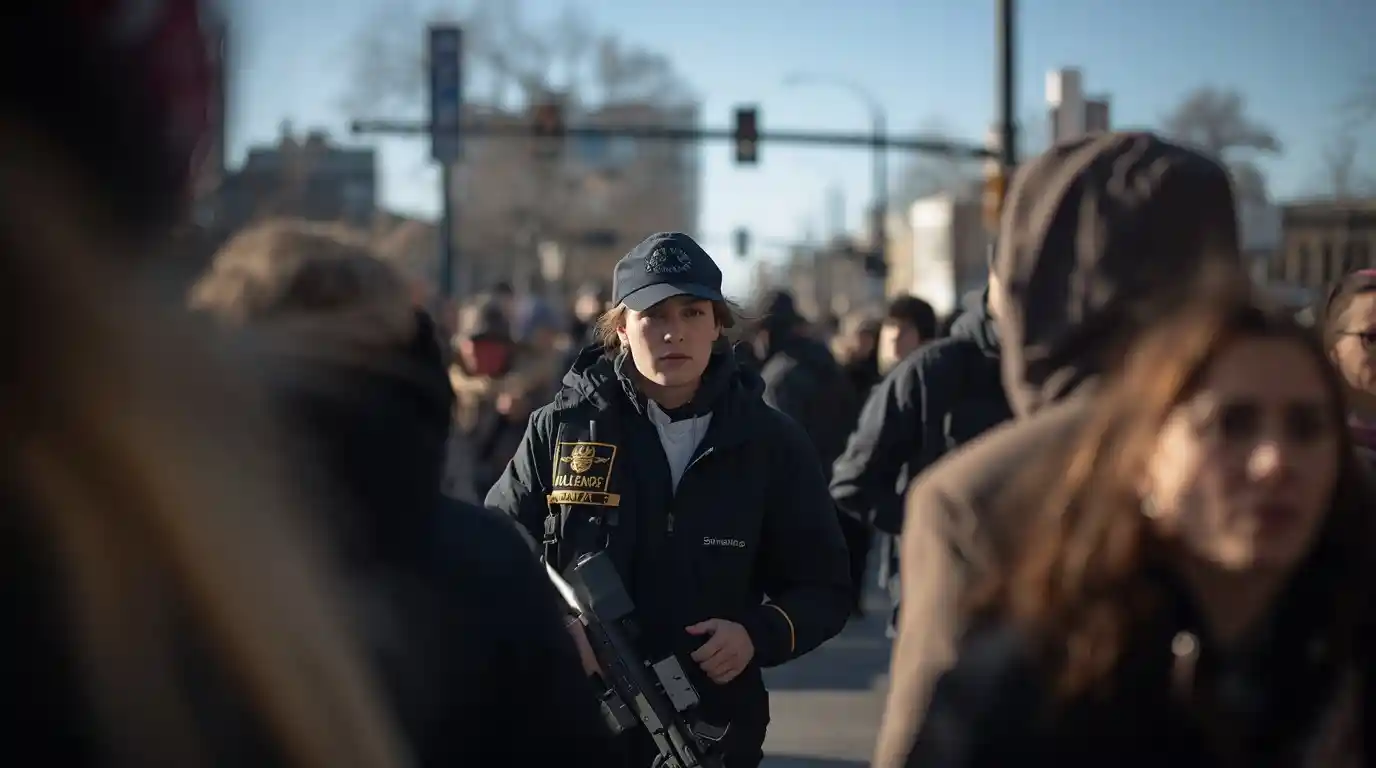
What a Gang Task Force Would Actually Change
Who CFSEU-BC Is and What It Brings
The unit Hansen wants is the Combined Forces Special Enforcement Unit of British Columbia, the province's standing anti-gang agency. It pools officers from multiple police services and works organized crime as a network — surveillance, intelligence, and disruption aimed at the people directing the violence, not just the person who pulled the trigger on one night.
Why the Unit Isn't a Stranger Up North
This wouldn't be a first visit. The City of Fort St. John has previously published a statement from Hansen thanking CFSEU-BC and the RCMP detachments in Fort St. John and Dawson Creek for a joint push on public safety in the region. So the ask isn't for something untested — it's for something that has already been tried here to come back, and stay longer.
What the City Can't Do by Itself
Municipal councils don't direct police investigations, and they don't control provincial deployments. What they can do is spend and lobby. A Fort St. John councillor has separately pressed Victoria for stronger powers to go after and seize properties tied to drugs and gangs, CBC News reported — an admission that the tools sitting on a city's desk are mostly zoning bylaws and bill payments.
This Isn't the First Cluster
The Peace Region went through a near-identical stretch last fall. In October 2025, the Penticton Herald reported a man was arrested after three shootings in seven days that police connected to gang conflict in Fort St. John, and CFNR Network reported four people arrested following an early-morning targeted shooting later that month. Arrests happened; the conflict resumed nine months later. That history is the strongest argument for a sustained unit rather than a surge that leaves once the news cycle moves on.
What to Watch Before Classes Resume
Two things will tell you whether this is being handled: a public confirmation that CFSEU-BC has been assigned to the Peace Region, and charges that name more than one accused. Either would suggest police are working the network, not the incident. If you live near where the shootings happened, keep the doorbell footage — RCMP asked for it, and in a town this size it's often the only evidence there is. Fort St. John RCMP can be reached at 250-787-8100, and anonymous tips go to Crime Stoppers.

Comments 0