

Why 50% Tariffs on Canada Hit Wigs and Hockey Sticks
The duty that starts Aug. 19 skips oil and potash but lands on wine, furniture and sporting goods — and it ignores the free trade deal Canada signed.

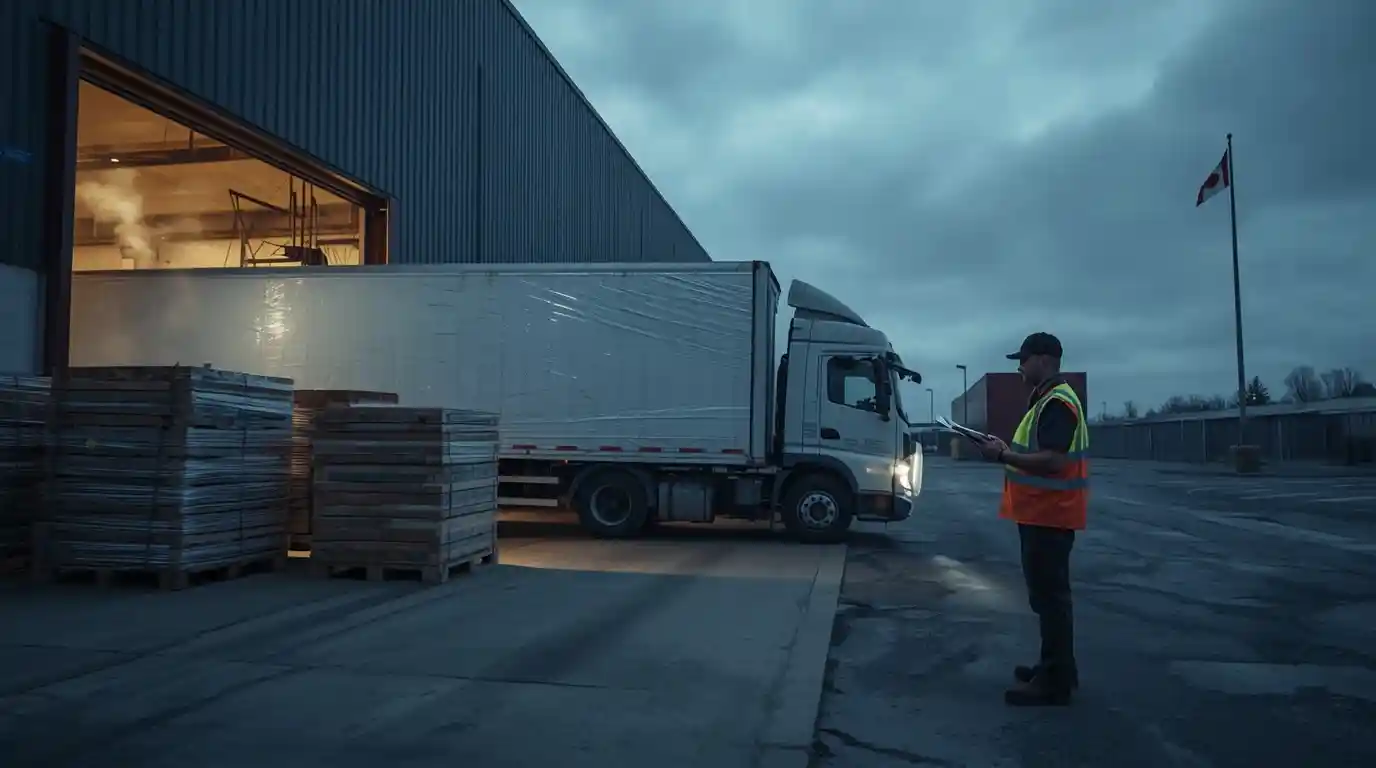
Six days from now, on Aug. 19, 50% tariffs on Canada take effect on a list of goods that reads like the contents of a family garage: wine, dairy, cement, furniture, swimming pools, fishing rods, seeds, clothing, hockey sticks and wigs. The Trump administration announced the measure on July 21 and gave a 30-day runway. Exporters have spent that month doing arithmetic they hoped never to do.
The rate is not the strangest part. The duty applies whether or not a product qualifies under CUSMA, the continental trade deal that was supposed to let these goods cross duty-free. Al Jazeera put the exposure at roughly US$20 billion of Canadian imports, about 5.2 per cent of the US$382 billion the United States bought from Canada last year. Washington says the move answers discriminatory treatment, including provincial liquor boards pulling American alcohol off shelves.
In Waterloo region, chambers of commerce covering Kitchener, Waterloo and Cambridge say they're working with members to get ready in case the deadline holds, CBC reported. That readiness is not abstract. On a $60,000 shipment of finished furniture, a 50 per cent duty is $30,000 that somebody — the exporter, the American buyer or both — has to absorb the moment the truck clears customs.
What the 50% tariffs on Canada actually cover
The list is deliberately narrow. Oil, natural gas, critical minerals and potash are exempt, and so is anything already caught by a sector-specific duty. That means steel, aluminum and copper stay where they are, at rates between 15 and 50 per cent, and non-U.S. auto parts stay at 25 per cent. Nothing about Aug. 19 changes those older tariffs.
What it does change is the assumption underneath a lot of Ontario business plans. U.S. Trade Representative Jamieson Greer's office argues Canada has favoured European dairy and capped American vehicle exports from carmakers moving south. Whatever the merits, the practical effect is that a CUSMA certificate of origin, the paperwork small exporters have leaned on for years, no longer guarantees a zero-rate entry.
Why such a scattered list of products?
There is logic in the randomness. TD Economics notes the targets were chosen where American demand reacts sharply to price — consumer goods with easy substitutes. A U.S. retailer can switch from Ontario furniture to North Carolina furniture in a season. It cannot switch away from Alberta crude in a season. The list is built to hurt sellers without raising prices much for American buyers.
The steel experience shows how fast that works. TD points out Canadian exports of iron, steel and their products have fallen roughly 50 per cent from pre-tariff levels. That's the template. Volume doesn't drift down over years — orders simply stop.

What this means in Waterloo region
The region's economy runs on manufacturing, food processing and the small suppliers stacked beneath them, and most of those firms sell into the U.S. rather than overseas. A shop with 25 employees and one big American account has a different problem than a multinational with plants on both sides of the border: it can't shift production to Ohio for a quarter and wait things out.
Nationally, TD estimates the hit at 0.3 to 0.6 percentage points off GDP growth over the coming year, and expects the lower end. That sounds survivable in aggregate. It is not distributed evenly. A 5 per cent slice of exports can be 90 per cent of one company's revenue.
What exporters should check before Aug. 19
Six days is short, but it's enough for three specific tasks. Each one is worth doing even if a deal lands at the last minute.
Confirm your tariff code, not your product name
Coverage is decided by classification, not by category labels. A wooden component may or may not fall under the furniture lines. Ask your customs broker to check the actual HS codes on your commercial invoices against the published list, and get the answer in writing before your next shipment leaves.
Settle who pays the duty, in writing
The legal importer of record pays U.S. customs, but the commercial reality gets negotiated. If your contract says delivered-duty-paid, the bill is yours. Call your American buyer this week and agree on terms for shipments crossing on or after the 19th, rather than arguing about it after the invoice arrives.
Look at cash, then at markets
Duties are payable on entry, so this becomes a working-capital problem before it becomes a sales problem. Talk to your bank about a temporary credit line, and ask Export Development Canada and the Business Development Bank about relief programs. Then start the slower work of finding non-U.S. buyers — that takes quarters, not weeks.
Is a last-minute deal still possible?
Talks haven't stopped. Federal minister Dominic LeBlanc and chief trade negotiator Janice Charette are pressing for relief on the sectoral tariffs covering steel, aluminum, lumber and autos, which matter more to Canadian output than the new list does. Prime Minister Mark Carney has called the Aug. 19 measure a direct violation of CUSMA and said Canada has only matched what Washington did first.
Canada stands ready to engage intensively to address outstanding issues with the U.S. to the mutual benefit of our citizens.
Markets, for now, are treating this as noise: the loonie slipped about 0.2 per cent on the announcement. Watch three things this week — whether Ottawa signals retaliation, whether the U.S. publishes exclusions, and whether the effective date slides, as previous deadlines have. If you ship south, don't wait for that news. Get your codes verified and your terms agreed by Friday, so Monday's shipment isn't the one that teaches you the rules.




Comments 0