

Why Hockey Sticks Are Caught in the Canada US Trade Deal
Five days before a 50% American tariff lands on $20 billion of Canadian goods, Mark Carney has to satisfy three premiers, an angry public and a White House at once.

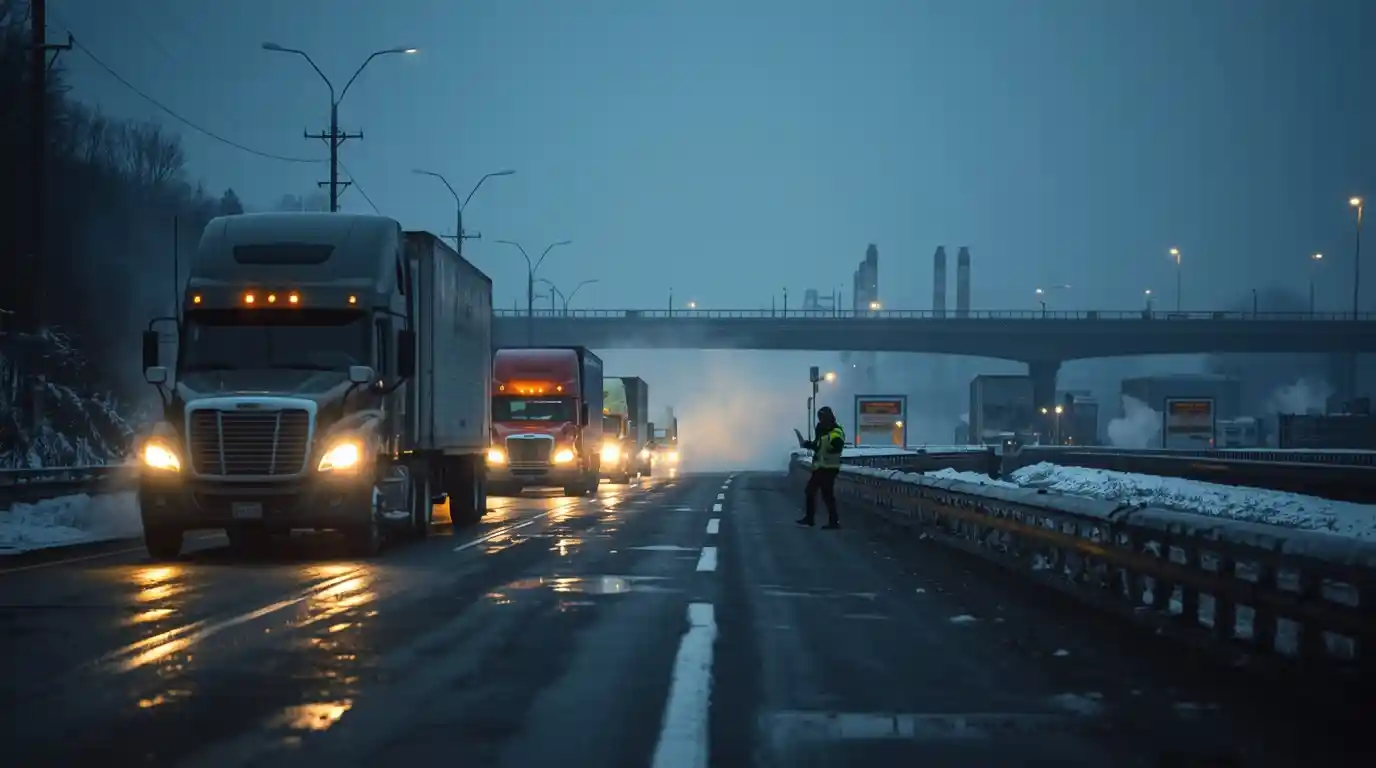
A Canada US trade deal has to come together by August 19, or a 50% American tariff drops on roughly $20 billion worth of Canadian exports — milk, plywood, beer and, yes, hockey sticks. That deadline is five days out. Prime Minister Mark Carney's negotiators have spent weeks in Washington trying to head it off, and as of the middle of this week they had nothing signed.
The threat traces back to three proclamations Donald Trump signed on July 20 under Section 338, a rarely used provision of a 1930 trade law. They carry a 30-day fuse that burns out at 12:01 a.m. ET on August 19. Goods already hit by Section 232 national-security duties — steel, aluminum, a slice of auto parts — are carved out, because Washington is already taxing those another way.
That carve-out is the part worth sitting with. The 50% threat is the loud half of the problem. The quiet half is the 25% duty on cars, the metals tariffs and the roughly 35% charge on softwood lumber that have been grinding down Canadian producers for months. The Canadian American Business Council has pegged the cost of a full breakdown at about 102,000 Canadian jobs.
What Happens at 12:01 a.m. on August 19
If nothing lands, the new duties apply to shipments crossing after that moment. Canada's chief negotiator has warned American counterparts that letting the date pass would create a "cliff" — a drop steep enough to stall the talks entirely rather than simply extend them. Trade files rarely recover their momentum after a deadline is blown, which is why Ottawa is pushing so hard for something, anything, before the weekend.
The Canada US Trade Deal Ottawa Is Chasing
The shape of an agreement has been visible for a while, according to Bloomberg. Washington backs away from the 50% list and trims some Section 232 levies. Ottawa drops its retaliatory measures, lets American alcohol back onto provincial shelves and widens access to the dairy market. Canada wants the metals and auto tariffs cut to 10% or lower. The US side has not moved that far.
Carney has been blunt that he won't take a slice of it. Speaking at an aluminum plant in Saguenay, Que., he said he isn't interested in a narrow arrangement that leaves Trump's biggest tariffs standing, and he ruled out doing this sector by sector. His public line has been consistent: Canada will not accept a bad deal.
Why the Premiers Can't All Be Happy
Here's Carney's real constraint. Every concession that buys relief for one province costs him another. Three premiers want three different things, and the deal on the table can't deliver all three.
Ontario Wants Steel and Autos Fixed
For the manufacturing heartland, nothing counts unless steel and auto tariffs come down. Premier Doug Ford has told reporters Canada negotiates through strength rather than weakness — a warning shot aimed as much at Ottawa as at Washington. Ontario's assembly plants run on thin margins, and a 25% duty on non-US content is enough to move production south.
British Columbia Wants Lumber, Not Bourbon
Premier David Eby's priority is softwood, where American duties sit near 35%. Reporting suggests lumber won't make an initial agreement at all. Eby has also said flatly there is not a chance in hell that US alcohol returns to BC shelves — one of the very concessions Washington wants.
The idea of the president, that he can bully us into whatever he wishes, is incorrect.
Quebec Wants Aluminum Without Giving Up Dairy
Quebec's government wants aluminum tariffs cut but won't stomach a meaningful opening of supply-managed dairy. Carney has separately committed $1.2 billion to prop up the softwood industry, which tells you how little he expects to win on that file at the table.

Canadians Are in No Mood to Fold
Public opinion is not giving him room either. Angus Reid Institute polling found 62% of Canadians back retaliatory tariffs if Trump proceeds, against 19% opposed and just 7% who favour offering concessions. Abacus Data found 69% in Ontario and 72% in BC want the alcohol restrictions kept. A KPMG survey put roughly 70% of business leaders behind a tough stance. American booze imports are already down 81% year over year.
How Canada's 25% Compares to Japan's 15%
Put the auto number in perspective. Trump settled at 15% with Japan and South Korea; Canada and Mexico still sit at 25%. Because roughly half the content in a Canadian-built vehicle is American, the effective rate works out closer to 7.5% — better than the headline, but still worse than what competitors negotiated. Meanwhile the first six-year CUSMA review took place July 1 and the US declined a long extension, so the agreement now faces annual reviews through 2036.
What to Watch Over the Next Five Days
Watch three things. Whether the auto rate moves from 25% toward 15%. Whether steel derivative products get excluded. And whether Ottawa signals movement on alcohol or dairy — that's the tell that a deal is close, and the moment the premiers start shouting. If you work in autos, forestry or metals, or you hold shares in companies that do, the practical move is to check your employer's or holding's US revenue exposure now rather than after the weekend. If August 19 passes without an announcement, expect Canadian counter-tariffs, not a quiet extension.




Comments 0