

Why No Canadian Reached the National Bank Open Final
Ben Shelton became the first repeat men's champion in Canada since Rafael Nadal, but the home draw had already emptied out by the second weekend.

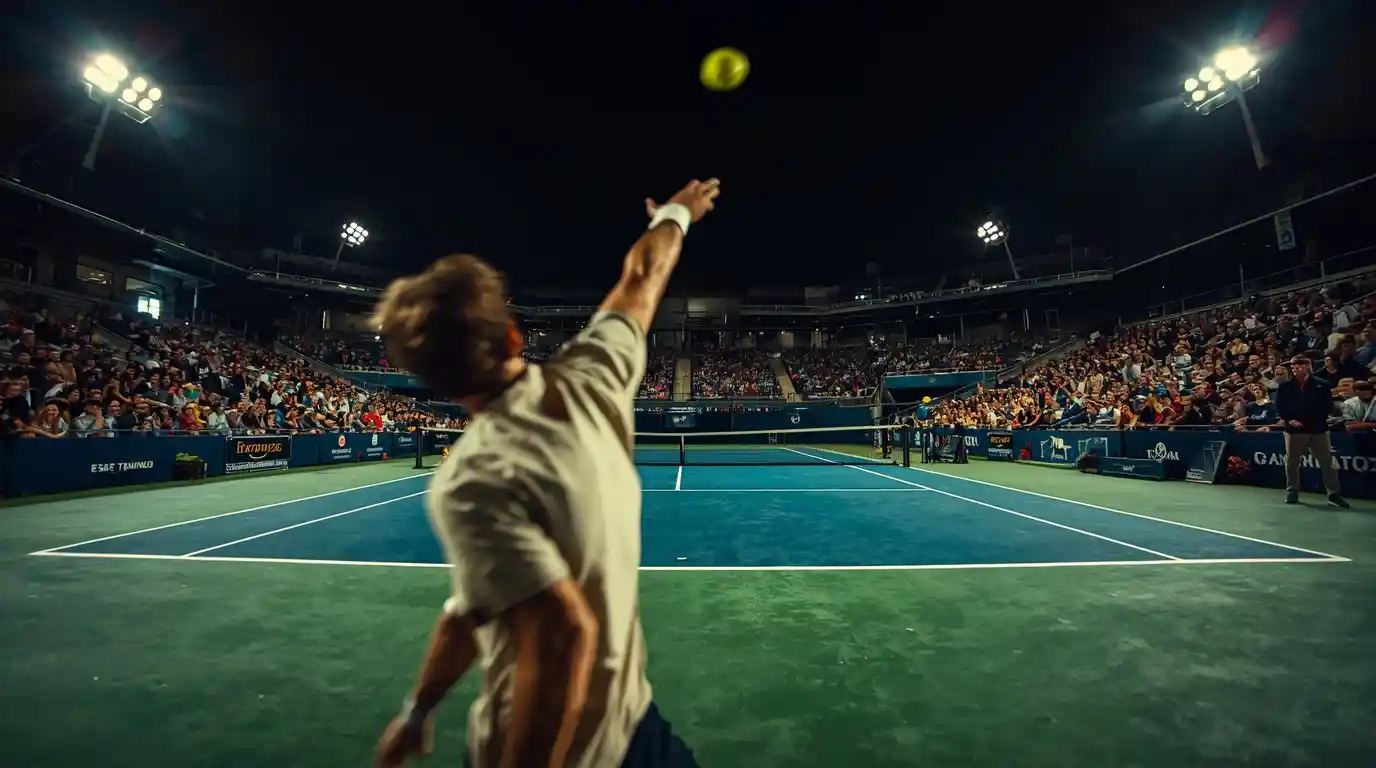
Ben Shelton defended his title in the National Bank Open final on Thursday night in Montreal, beating fellow American Brandon Nakashima 6-3, 7-6 (4) in one hour and 27 minutes. The 23-year-old left-hander did not face a single break point all match, and he got through the entire two weeks without losing a set to anybody. It was about as tidy as a title defence gets.
For anyone watching from a couch in Canada, though, a different question had been sitting there since the first weekend: where did all the Canadians go? The answer is mostly medical. Félix Auger-Aliassime, the country's top-ranked man, withdrew from his hometown tournament roughly two hours before his opening match after hurting his back in practice. Denis Shapovalov retired against Zach Svajda while down 3-0 in the third set. Montrealer Gabriel Diallo retired in the second set of a night match against Luciano Darderi. Liam Draxl and Duncan Chan both went out in round one.
So the event that fills IGA Stadium for two weeks every summer ended with an all-American final — the first at a Masters 1000 tournament since 2003, according to the ATP. Shelton climbs to No. 6 in the world and collects US$1,151,420, somewhere around $1.6 million in Canadian dollars, out of a men's purse of roughly US$9.4 million.
How the National Bank Open Final Was Won
Shelton's serve settled it. He was clocked at 142 m.p.h., and more importantly he never gave Nakashima a look at a break point across two sets. The first set went 6-3 on a single break. The second stayed on serve the whole way, which meant Nakashima had to be perfect in the tiebreak and wasn't. Shelton took it 7-4 and was shaking hands before the 90-minute mark.
The Canadian Draw, Player by Player
Four of the five Canadian men in the singles draw were gone by the middle weekend, and two of them never finished the match they were in. Injury, not form, wrote most of this story.
Auger-Aliassime pulled out two hours before playing
He hurt his back in practice and withdrew before hitting a ball in anger. It's the worst version of a home-tournament exit: no match, no send-off, no chance to make it up in front of the crowd that bought tickets partly to watch him. His summer hard-court plans now depend on how quickly the back settles.
Shapovalov and Diallo both stopped mid-match
Shapovalov walked off trailing Svajda 3-0 in a deciding set. Diallo, the other Montrealer in the field, retired in the second set against Darderi — the same Darderi who then made the quarterfinals before Nakashima brushed him aside. Two retirements in one draw is unlucky. Two retirements plus a pre-match withdrawal starts to look like a scheduling problem.
Draxl and Chan ran out of road in round one
Both lost their opening matches, which is not a scandal — this is a 1000-level field and wild cards usually draw someone ranked far above them. Still, it meant the host nation's entire hope rested on three players who were already hurt.
Who Is Brandon Nakashima, and Where Did He Come From?
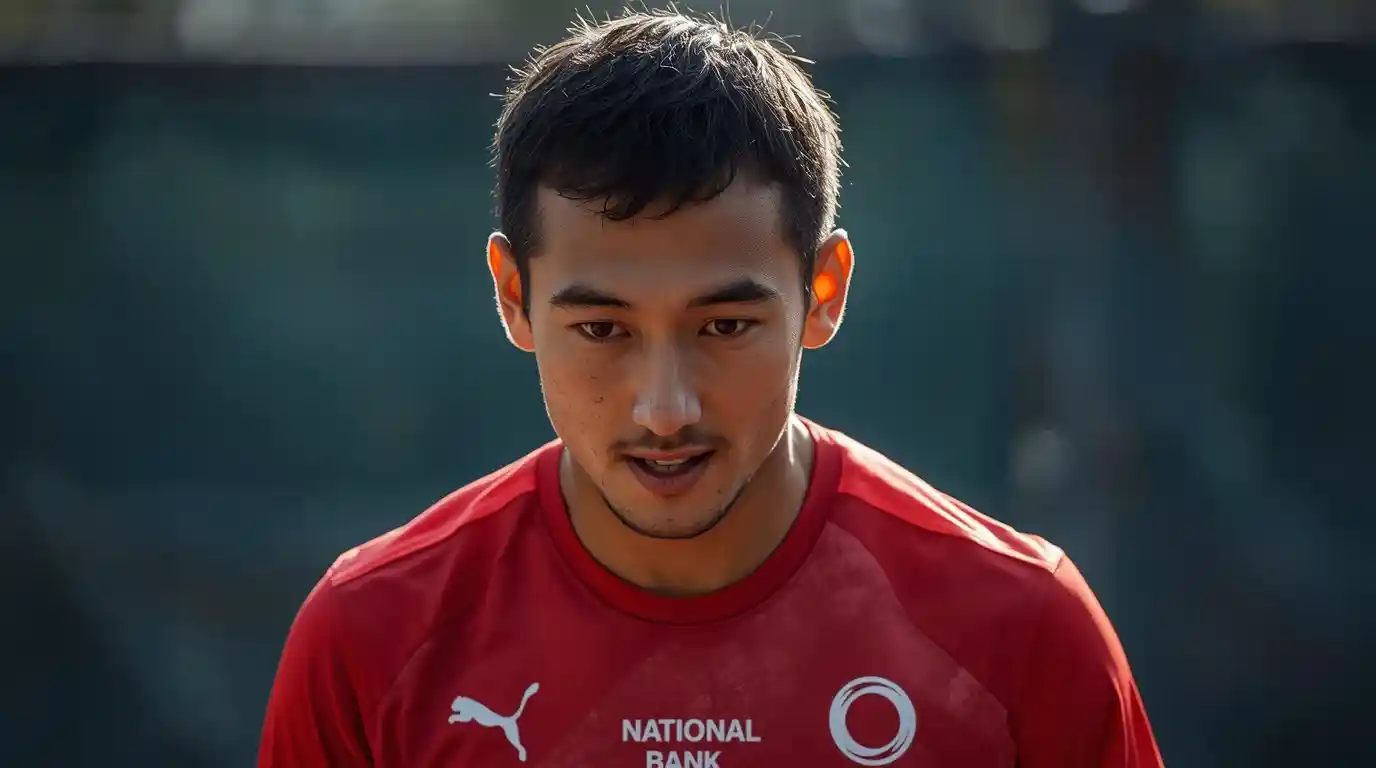
The 25-year-old Californian was seeded 28th and had exactly one tour title to his name, San Diego in 2022. He beat Arthur Rinderknech in three sets, then Titouan Droguet in three, then Daniel Altmaier 6-2, 6-1. He hit 11 aces to see off Darderi 6-2, 6-3 in his first Masters 1000 quarterfinal, and beat Rafael Jodar 7-6 (3), 6-4 to reach his first final at this level. He had already climbed to No. 22 in the live rankings before the final, guaranteeing a career high.
What This Title Is Actually Worth
Shelton is now the first man to win back-to-back in Canada since Rafael Nadal in 2019 — a list that also includes Novak Djokovic and Andy Murray, which is decent company for someone with seven career titles. Four of those came in 2026 alone: Dallas, Munich, Stuttgart and now Montreal. Last year he won this same event in Toronto, so he has beaten Canada twice in two cities.
What to Watch After Montreal
The hard-court run continues straight into Cincinnati and then the US Open, which is bad timing for anyone nursing a back. Keep an eye on the Auger-Aliassime injury updates over the next two weeks — that will tell you whether Canada's best chance at a deep run in New York is real. And note the calendar: the men's event returns to Toronto next year, with Montreal hosting the women. If you're planning a trip, book on that rotation, not on last summer's habit.

Comments 0