

Why the Sicily Art Heist Thieves May Never Get Paid
Four Antonello da Messina paintings vanished from a Messina museum during a religious procession — but works this famous are far easier to steal than to sell.

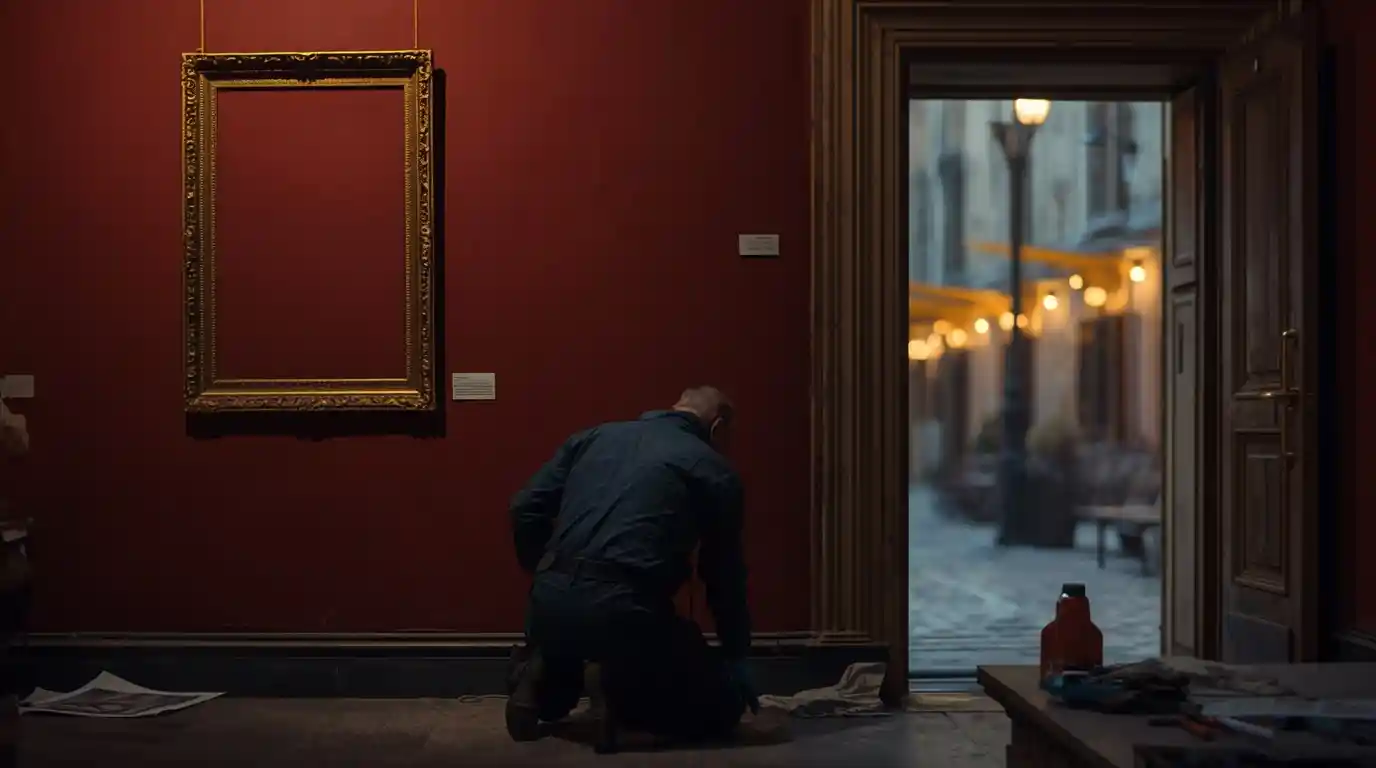
The Sicily art heist that stripped a Renaissance gallery in Messina on the night of August 15 lasted only a few minutes, and the people who pulled it off may never see a single euro for what they took. Thieves left MuMe — the Regional Interdisciplinary Museum of Messina — with four works attributed to Antonello da Messina, the city's own 15th-century master. The timing was not an accident. It was Ferragosto, and most of Messina was crammed into the streets for the annual Vara procession.
Art expert Alberto Fiz has put the value of the missing works at €70 million to €80 million, which lands somewhere north of C$110 million at recent exchange rates. That figure is worth holding lightly. It describes what these panels would fetch in a world where they could legally change hands, and that world does not exist for stolen, universally catalogued Renaissance altarpieces.
Then there's the detail that makes the whole thing feel oddly human. The thieves pulled all five surviving panels of the 1473 San Gregorio Polyptych out of their frame, then bolted with only three. A passerby later spotted the other two sitting on a low wall outside the museum and called police. Whoever did this was carrying more than they could handle.
What happened outside the museum gate
According to TIME, at least three masked people reached the museum around 9:50 p.m., bent or cut back a stretch of perimeter railing near a side gate, and forced an exterior door. Once inside they went straight for the Antonello rooms — no wandering, no browsing. Alarms and surveillance cameras were working, and staff were on site. Investigators are still trying to explain why none of that stopped them.
Alongside the polyptych panels, the group took a double-sided painting showing the Virgin Mary on one face and the dead Christ in Pietà on the other. That one came out of an armoured display case. Museum director Marisa Mercurio has said staff are devastated and called it a tremendous loss. The museum closed the following day while investigators worked the scene.
Why the Sicily art heist is nearly impossible to cash in
Famous stolen art is a terrible asset. There is no legitimate buyer, because every auction house, dealer and insurer runs provenance checks against police and Interpol databases, and a 1473 Antonello panel is not something you can quietly re-attribute. Lynda Albertson, who heads the Association for Research into Crimes against Art, summed up the problem plainly.
Stealing an Antonello may be far easier than selling one.
Officials have floated the usual theories — professionals, or a job done on commission for a private collector — though prosecutors have not confirmed anything. The grim alternative is that the panels get used as underworld collateral or leverage, which is how a lot of high-profile stolen art spends its missing decades. Wood panels from the 1400s do not travel or store well either. Damage is a real risk.
What the paintings actually are
The San Gregorio Polyptych originally had six panels; one has been missing since the 16th century. The five that survived show the Annunciation, the Madonna and Child enthroned, and Saints Gregory and Benedict. Until last weekend, they had never left Messina. Enzo Caruso, the city's culture councillor, said Messina without Antonello loses the essence of the greatest artist of the European Renaissance — a sentence that sounds like hyperbole until you know the city's history of earthquakes and bombardment, and how little of it survived.
Interest in the painter has spiked recently. Italy's Culture Ministry bought his devotional panel Ecce Homo for US$14.9 million in early 2026 through negotiations with Sotheby's in New York. That sale put a public number on a name most people outside Italy had never heard.
How Italy hunts stolen art
A police art squad running since 1969
Italy created the world's first dedicated art crime police unit in 1969, and the Carabinieri squad has recovered more than three million works and artefacts since. No other country built anything on that scale. It's the reason Italian recoveries often arrive years late but do arrive.
The Parma paintings, recovered one day before
The timing here is almost cruel. On August 14 — the day before Messina — Italian police announced they had recovered a Renoir, a Cézanne and a Matisse worth roughly €10 million, taken from the Magnani Rocca Foundation near Parma in a three-minute job back in March. Five people were detained. Same country, same week, opposite outcomes.
Why the databases do the quiet work
Once a work is logged with the Carabinieri and in Interpol's stolen art database, it becomes radioactive to anyone operating above board. Recoveries usually come from a customs check, a probate valuation or an informant, not a chase. Patience is the strategy.
What this means if Sicily is on your travel list
If you had MuMe pencilled into a Sicilian itinerary, check its status before you go — the Antonello rooms are the reason most visitors climb the hill to that museum, and reopening plans will depend on the investigation. More broadly, expect this to reopen an argument Italy has been having for years about guard staffing and alarm response at regional museums, which hold extraordinary collections on modest budgets.
Watch for two things in the coming weeks: whether the Carabinieri art squad names a suspect group, and whether the panels surface anywhere near a border. And if you ever get offered an old Italian panel painting with a vague back story and an eager seller, run the provenance first. That check is exactly what makes this haul unsellable.


Comments 0