

13,000 Hunted Them. Now the World Cup Beaver Sculptures Sell
Fifty hand-painted beavers that greeted soccer fans in Old Town Toronto are on the block until Aug. 24, with every dollar going to two charities.

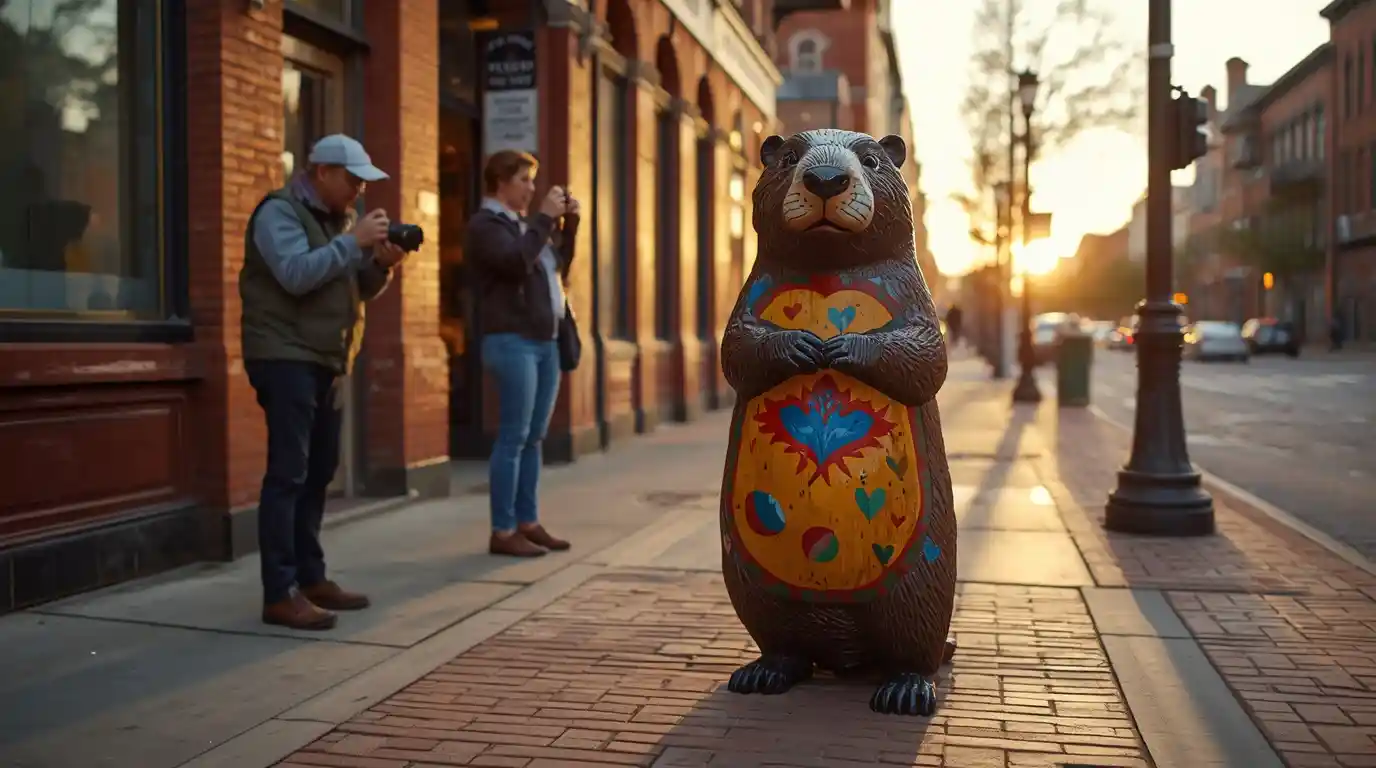
For almost three months this summer, the World Cup beaver sculptures were the cheapest attraction in downtown Toronto — free to find, free to photograph, and scattered across a few walkable blocks of Old Town. Now 50 of them are on an auction block, bidding opened at $300 apiece, and the whole thing closes on Aug. 24.
The Old Town Toronto Business Improvement Area, which put the project together, says online bids had already passed $30,000 within days of the sale opening. That is a lot of money for painted rodents, and it is going somewhere specific: proceeds are being split evenly between Toronto's First Post Office and KidSport Ontario, which helps cover registration fees for kids whose families can't afford minor sports.
One of the artists behind them works out of Barrie. Monica Loney was named back in the spring as one of the creators chosen for the display, CTV News Barrie reported in early May — a reminder that the roster reached well past the 416 and pulled in artists from across Ontario.
What was standing on those sidewalks all summer
There were 52 beavers in the end, up from the 51 originally installed after organizers quietly slipped an extra Canadian one into the mix. Forty-eight of them represented nations in the tournament, each painted by an artist with roots or a personal connection to that country. The rest were welcome pieces and one dedicated to Old Town Toronto itself. They stood four feet tall and were up from May 25 to Aug. 16.
Who's winning on the World Cup beaver sculptures
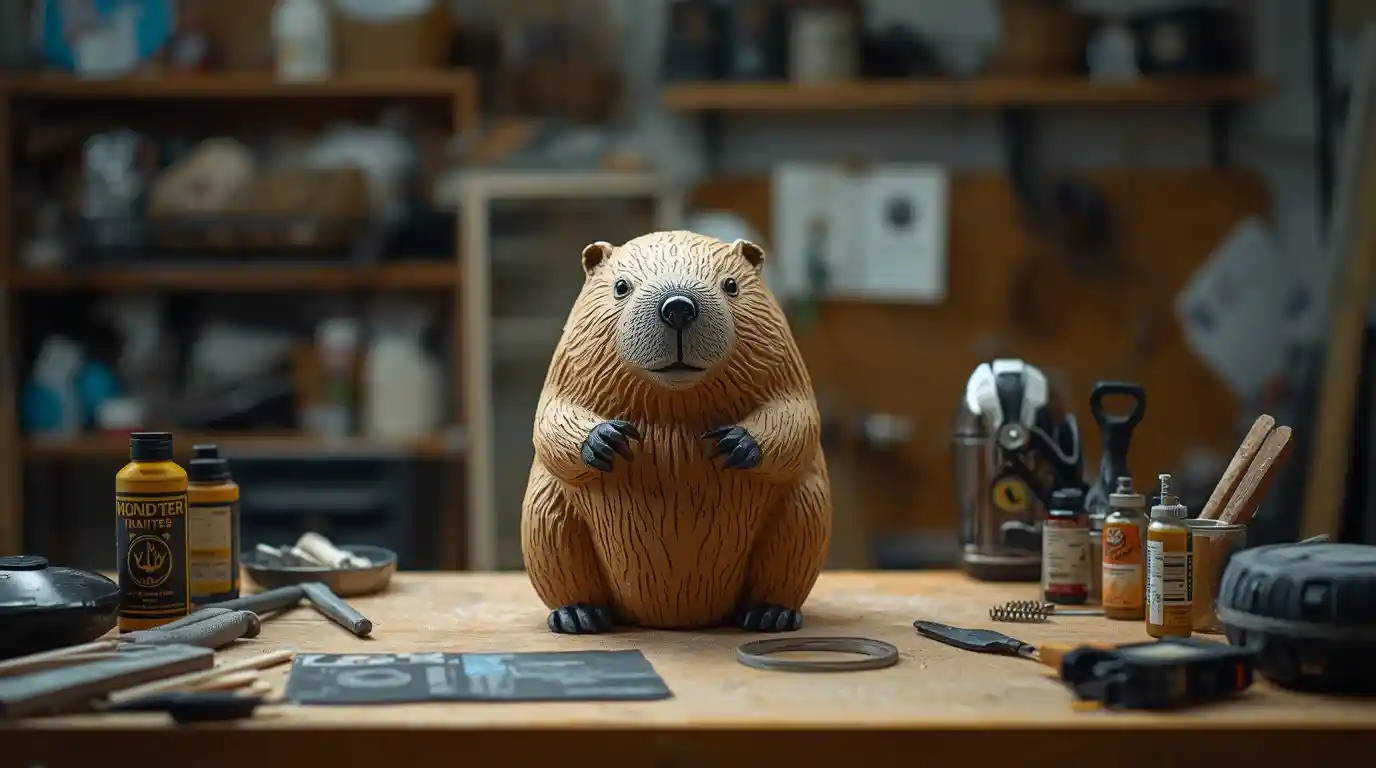
Bidding has not been even. The Canadian-motif beaver has led the pack at around $3,000, according to The Canadian Press, with Scotland close behind near $2,200, an "Infinite Welcome" design at just over $2,000, and the Netherlands entry around $1,750. Plenty of others sit far closer to the $300 floor. Two of the 52 were held back and are not listed for sale at all.
How the sale actually works
This isn't a gallery auction with paddles and a specialist at a lectern. It's a straightforward timed online sale, which means the interesting movement happens in the last hours, not the first week. If you're thinking about it, a few practical things are worth knowing before Sunday.
The money and the deadline
Every beaver started at the same $300. Bidding closes Aug. 24, and in timed online auctions late bids routinely double a lot's price in the final minutes. Anything sitting near its opening bid today is not necessarily a bargain by Sunday night — but it is where the value is, if you want one and don't care which flag it wears.
Getting four feet of beaver home
These are large outdoor pieces built to survive a Toronto summer on a public sidewalk. That means weight, an awkward footprint, and no chance of fitting one in a sedan. Winners should plan for a van or a small truck and a second set of hands. A front yard, a business lobby or a cottage deck is a realistic home for one. A condo balcony probably isn't.
Why the charities matter here
The split is a neat fit for the project. Toronto's First Post Office is a working museum in the same neighbourhood the beavers occupied, so the money loops back into the streets that hosted them. KidSport Ontario sends it in the opposite direction — grants that put kids into soccer and hockey seasons their parents couldn't otherwise cover. A World Cup summer funding kids' sport is about as tidy as legacy spending gets.
Why a scavenger hunt beat a plaque
The clever part wasn't the sculptures. It was the QR code on each one. More than 13,000 people signed up for the Great Beaver Quest, hunting statues from clues and racking up points toward gift cards at local businesses over nearly 12 weeks. Public art usually gets a glance; this got repeat visits, and it dragged foot traffic into an area competing with the whole city for World Cup attention.
Toronto has run this play before. In 2000, the city filled its streets with painted moose and later sold them off, following the CowParade model that has since travelled through dozens of cities. What's changed is the tracking. A BIA in 2000 could count sculptures; a BIA in 2026 can count 13,000 accounts and know exactly how long people stayed.
What to watch before Sunday
If you want one, check the listings mid-week rather than at the end — the gap between a $300 lot and a $3,000 lot has more to do with which flag is painted on it than with the artistry. And if you're just curious how the experiment scores, watch the final total on Aug. 24. A number well past $30,000 tells every other Canadian BIA that a summer of painted animals pays for itself twice over.
Comments 0