

19 Bills, 7 With No Debate: Parliament Monsoon Session Ends
The House cleared 19 bills in 19 days, seven of them without a word of discussion, as Amit Shah's offer of a day-long debate collapsed over the terms attached to it.

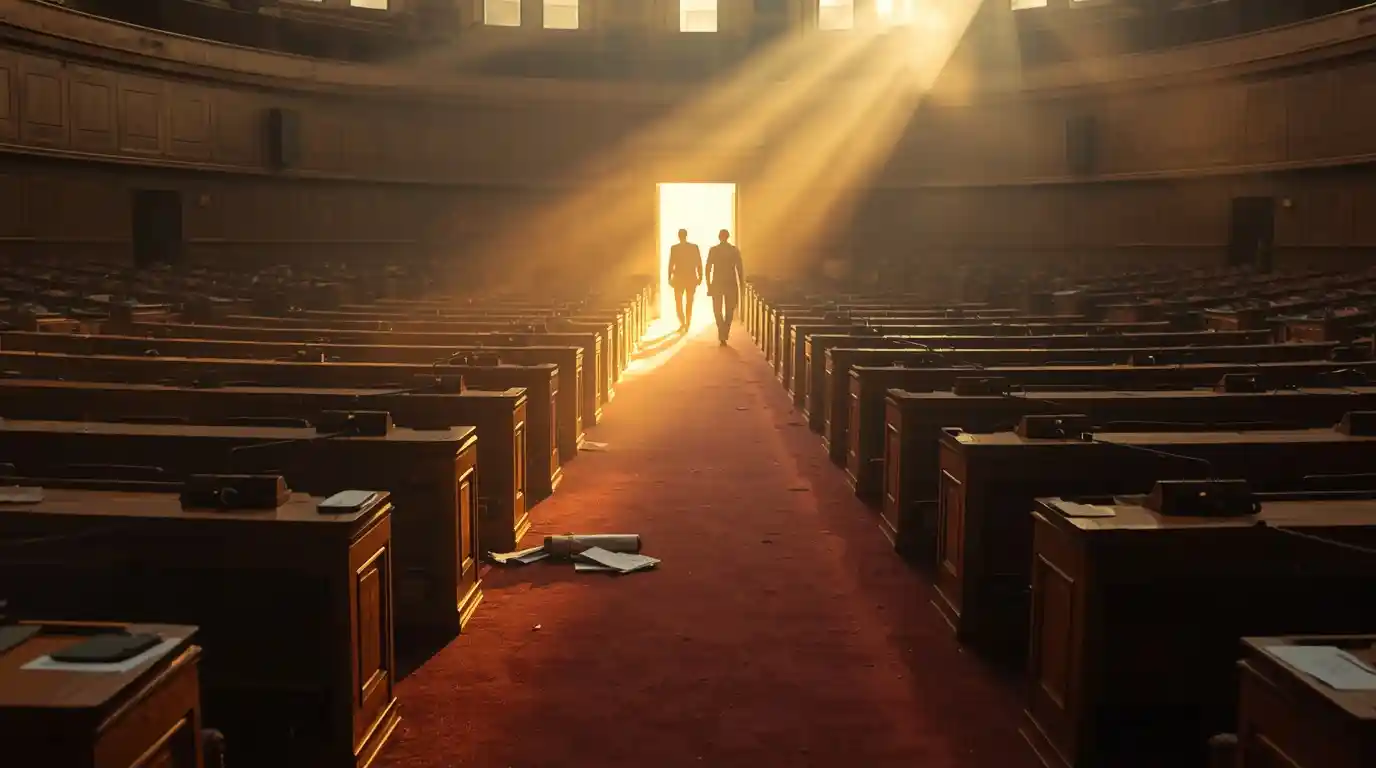
The Parliament Monsoon Session closed on Thursday, August 13, with the Lok Sabha adjourned sine die and a scoreboard that tells the story better than any speech did: 19 bills cleared, seven of them passed without a single round of discussion, according to ETV Bharat's tally of the sitting. That is more than a third of the session's legislative output waved through in silence.
The last day was meant to break a three-week deadlock. Union Home Minister Amit Shah had offered a marathon discussion on the July 20 police action against student protesters near Jantar Mantar in Delhi — starting 3 p.m. on Wednesday and running through to 3 p.m. on Thursday, with him seated for all of it and replying at the end. The Opposition never took it. By the time the gavel fell, the debate everyone had spent 19 days demanding had not happened.
This matters beyond the shouting. Laws passed without discussion still apply to you — to what your NGO can receive from abroad, to how a cooperative bank is run, to what a state is called on your documents. When scrutiny collapses into a scheduling fight, the checking work that Parliament exists to do simply does not get done, and nobody sends you a notice about it.
The offer, and the clock attached to it
Shah's proposal came with a condition: the Opposition had to hand Speaker Om Birla a written assurance by 2 p.m. that it was ready for the discussion, as The Federal reported. Parliamentary Affairs Minister Kiren Rijiju said extending the session was "a very small matter" and that even an 11 a.m. agreement from the Congress would be enough to add time. On paper, generous. In practice, the government was setting the hour, the length and the format of its own questioning — which is where the Opposition dug in, calling the terms undemocratic, per The Hindu's live coverage.
Shah also answered the charge that he had stayed away from the House for most of the session. "When the Opposition isn't allowing the House to function, what is the point of going there?" he said, adding that he had been coming in regularly and sitting in his chamber.
Why Rahul Gandhi turned it down
The Leader of the Opposition in the Lok Sabha was blunt. Rahul Gandhi said the Opposition was "not interested in listening to Amit Shah's imagination", and reduced the whole argument to one question: who ordered the action against students on July 20. He wanted a name, not a debate slot.
If he gave that order, he should resign because he is culpable. If he did not give the order, he should resign because he is incompetent.
That framing left no room to negotiate. A discussion in which the minister replies at the end is a parliamentary process; a demand for a resignation before the discussion begins is a political one. Both sides could then blame the other for the session ending with nothing settled, which is roughly what happened.
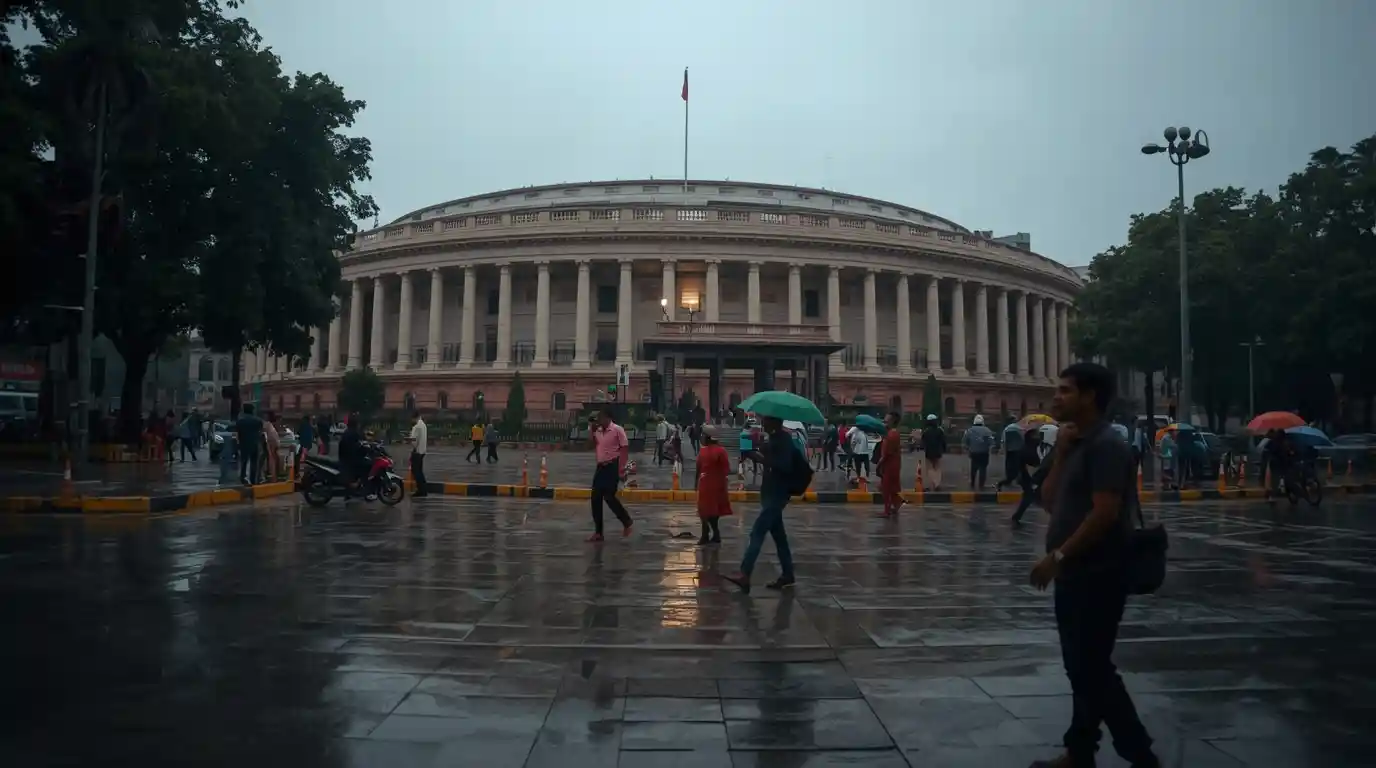
Parliament Monsoon Session: what actually got through
Away from the microphones, real legislative work moved. Nineteen bills were cleared across the session. Two decisions deserve more attention than they got.
The FCRA amendment now sits with 31 MPs
The Foreign Contribution (Regulation) Amendment Bill, 2026 was referred to a 31-member joint committee rather than being pushed through. FCRA governs which Indian organisations may accept foreign funding — charities, research bodies, disaster-relief groups, religious trusts. Referral to a joint committee is the one genuinely open door left this session: such panels take written submissions and hear witnesses, so the sector still has a window to be heard before the law is fixed.
A renamed state and a cooperatives law
The House also took up the bill to rename Kerala as Keralam, a demand the state's Assembly has pressed for years, and cleared an amendment to the National Cooperative Development Corporation Act — plumbing legislation that decides how credit reaches cooperative societies and, through them, lakhs of farmers.
We have watched this exact standoff before
In July 2023, Shah wrote to Opposition leaders in both Houses offering a debate on Manipur. That session, too, burned days arguing over the form of the discussion instead of holding it. The pattern repeats because it pays both sides: the government gets to say it offered, the Opposition gets to say the offer was rigged, and the sitting expires before either claim is tested. The cost lands on the seven bills nobody examined.
What to watch now that the House has emptied
Three things are worth tracking. First, the FCRA joint committee — if you work with, fund, or run an organisation that receives foreign contributions, its hearings are where the real terms get written. Second, whether the July 20 Jantar Mantar action is examined anywhere with subpoena power: a court, a magisterial inquiry, or a police probe, since Parliament has now passed on it. Third, the Winter Session, ordinarily convened from late November, which becomes the next chance to force answers.
A practical habit for the months ahead: look up your own MP's attendance, questions asked and debates joined on the public parliamentary trackers, and check it against the noise. That record is what actually survives a session like this one.

Comments 0