

3,000 Idle Workers Ride on the Canada-U.S. Trade Deal
Brampton's mayor says an agreement that leaves autos out is worse than none — and the empty Stellantis plant in his city is the reason why.

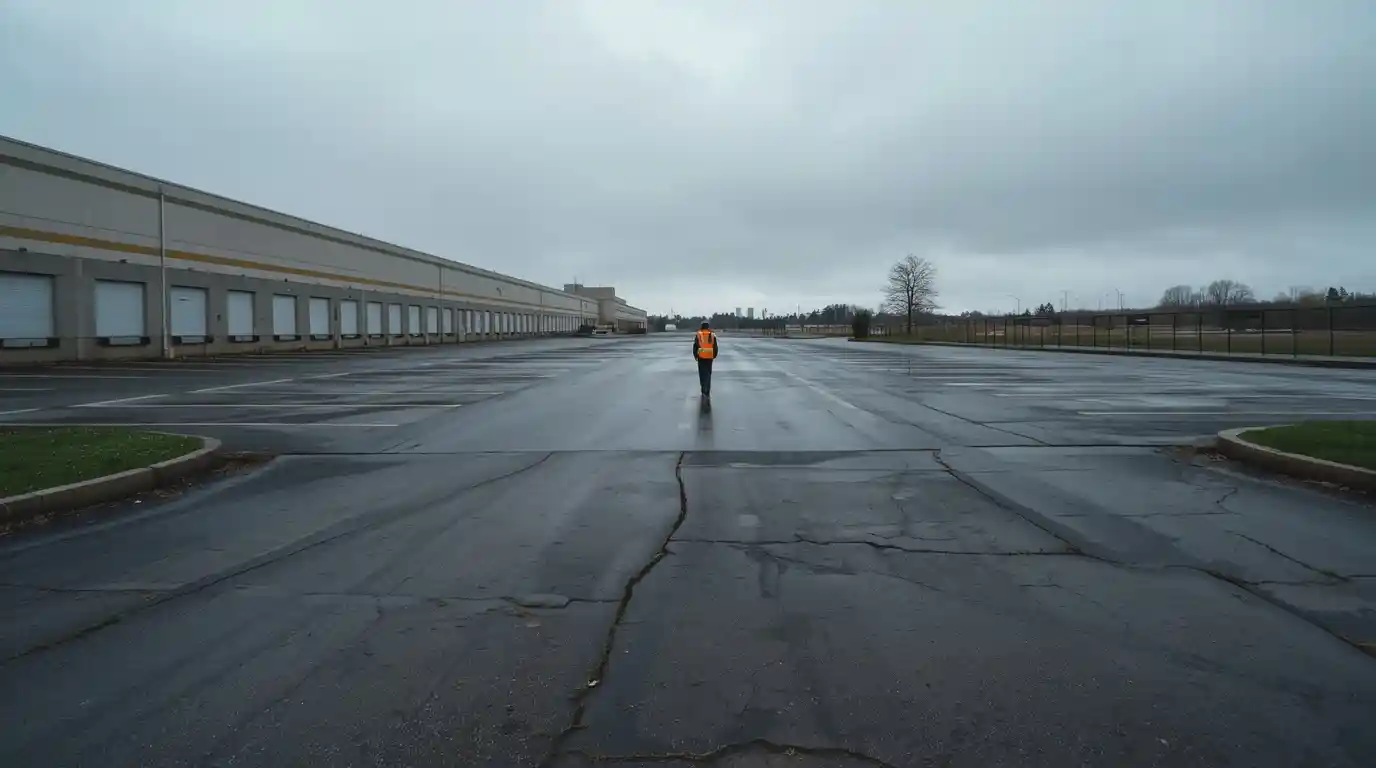
Three days out from an American tariff deadline, Brampton Mayor Patrick Brown said a Canada-U.S. trade deal that leaves the auto sector out would be worse than signing nothing at all. Speaking to Global News, he put it plainly: no deal beats a bad deal. His understanding, he said, is that the American side has been pushing proposals that skip cars entirely.
The timing is what gives that line weight. Roughly 3,000 people at the Stellantis plant in Brampton have been without work since February 2025, when the company paused production after U.S. tariffs landed. That's a year and a half of an empty parking lot. Last week, Unifor said the automaker told the union it is now weighing closing and selling the site outright. Stellantis has issued no formal closure notice.
Meanwhile the clock runs down to Aug. 19, the date Washington set for 50 per cent tariffs on about $20 billion worth of Canadian goods — milk, plywood, beer, hockey sticks. Vehicles aren't on that particular list. They already carry a separate 25 per cent duty under a different American measure, and that gap is exactly what Brown is pointing at.
Why cars are the hardest thing on the table
The 50 per cent threat and the auto tariff come from different legal machinery. Autos, steel, aluminum and lumber sit under Section 232, the national-security provision, and unwinding those is a separate negotiation from calling off the new deadline. Reporting suggests negotiators have discussed dropping the vehicle rate to somewhere between 10 and 15 per cent for cars that meet CUSMA content rules. That would be relief. It would not be free trade.
I hope we can get a trade deal but my understanding is that the U.S. side, the Trump side has tried to put forward proposals that don't include the auto sector and so no deal is better than a bad deal.
What a Canada-U.S. trade deal might actually contain
The shape being discussed is a swap. On Canada's side: ending provincial bans on American alcohol, lifting the retaliatory tariff Ottawa placed on American-built vehicles, and reworking how dairy import quotas are handed out. In return, Washington drops the 50 per cent threat and eases the Section 232 duties. U.S. Trade Representative Jamieson Greer has been meeting Dominic LeBlanc and chief negotiator Janice Charette in Washington, with talks running daily.
Prime Minister Mark Carney has said every strategic sector is in the conversation and that Canada is prepared to get tougher if nothing is signed. Unifor president Lana Payne has been blunter, arguing Canada should retaliate hard if the deadline passes without an agreement. Any final text still needs sign-off from the U.S. president, which is why nobody in Ottawa is calling this done.

How Brampton ended up in the middle of it
Brampton is not a bystander in a trade dispute happening somewhere else. The city is where the abstract arguments about tariff rates turn into mortgages, and its council has started using the only lever a municipality actually has.
A plant that stopped in February 2025
Production at Brampton Assembly was paused as the first round of American tariffs hit, and it never restarted. About 3,000 Unifor members have been off the line since. Premier Doug Ford has said publicly he'll push Stellantis to keep the plant running regardless of what the company decides.
The Jeep that went south
In October 2025, Stellantis told the union that the electric Jeep Compass earmarked for Brampton would instead be built in the United States, idling the plant indefinitely. That model was the centrepiece of a $3.6 billion Ontario commitment supported by more than $529 million from Ottawa's Strategic Innovation Fund — public money now attached to a product that left.
A zoning bylaw used as a lock
Council responded with the tool it owns. In a unanimous motion, Brampton designated the assembly site for automobile manufacturing only, so the land can't quietly become warehouses or condos. Separately, Stellantis has been in talks with Chinese EV maker Zhejiang Leapmotor about building electric vehicles in Canada, with the idled plant one of the sites in play.
What this does to the price of your next car
Parts cross the border several times before a finished vehicle rolls off a line, and every crossing under tariff adds cost that ends up on a window sticker. The piece most likely to touch what you pay is Canada's own retaliatory duty on American-built vehicles — if Ottawa lifts it as part of a package, U.S.-assembled models sold here get cheaper first. A lower American rate on Canadian-built cars mostly protects jobs rather than prices.
What to watch in the next two weeks
Watch whether autos are named in whatever text emerges, or quietly deferred to a later round — deferral is the outcome Brown says he won't accept. Watch for a formal closure notice from Stellantis, which would trigger legal obligations the current silence does not. And if you're shopping for a vehicle this fall, hold off on assuming today's price is the floor; the retaliatory tariff line is the one to track.


Comments 0