

Why the Brampton Auto Plant Became Canada's Trade Red Line
Brampton's mayor says Ottawa should walk away from a U.S. deal that leaves autos out — and a plant idle since February 2025 explains why.

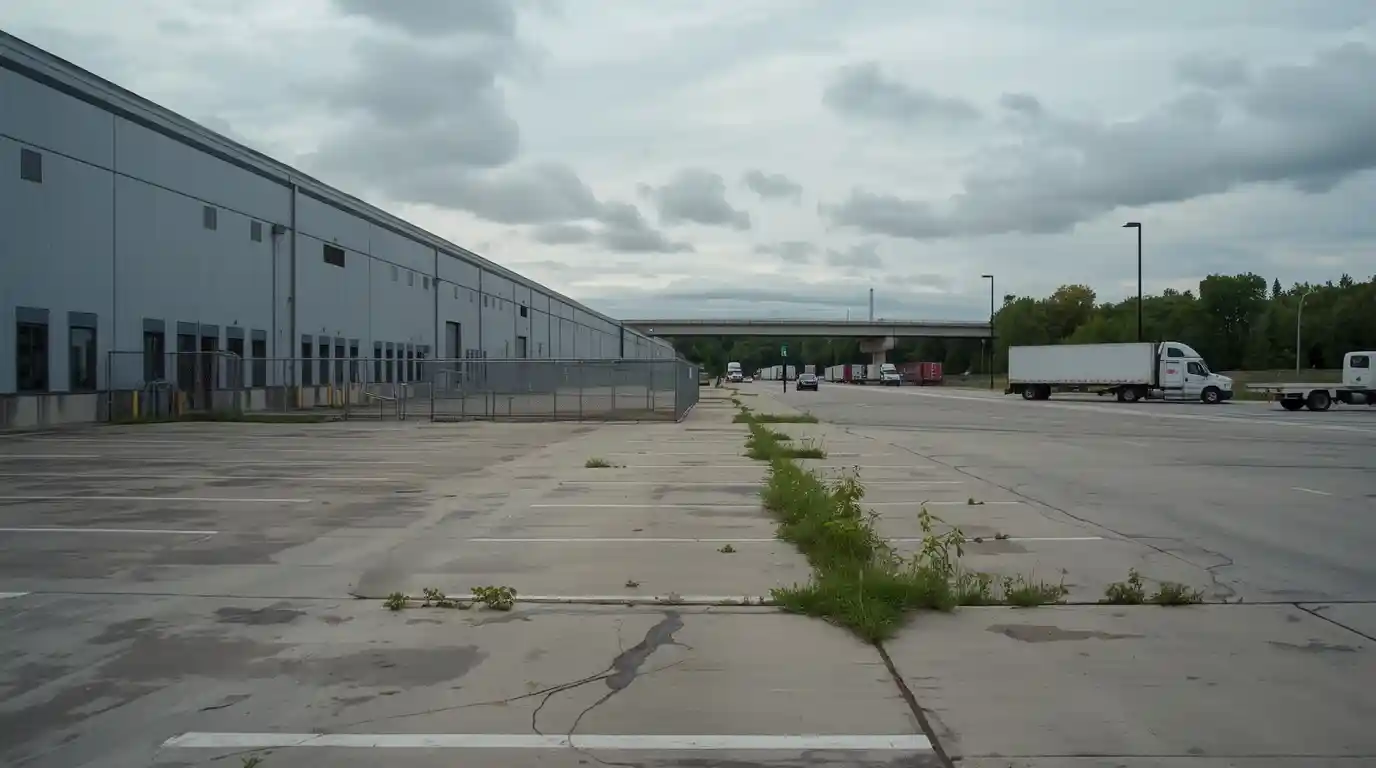
The Brampton auto plant that hasn't built a single vehicle since February 2025 has become the hardest item on Canada's trade agenda. Mayor Patrick Brown told Global News this week that any agreement with Washington has to cover the auto sector, and that Ottawa should be prepared to walk away if it doesn't. His phrasing was blunt: no deal is better than a bad deal.
He said it with a clock running. Sharply higher U.S. tariffs — 50 per cent on a broad range of Canadian goods — are set to take effect Aug. 19 unless negotiators land something first. Trade Minister Dominic LeBlanc has been in Washington meeting U.S. Trade Representative Jamieson Greer, and both teams are reportedly working through the tariff schedule line by line.
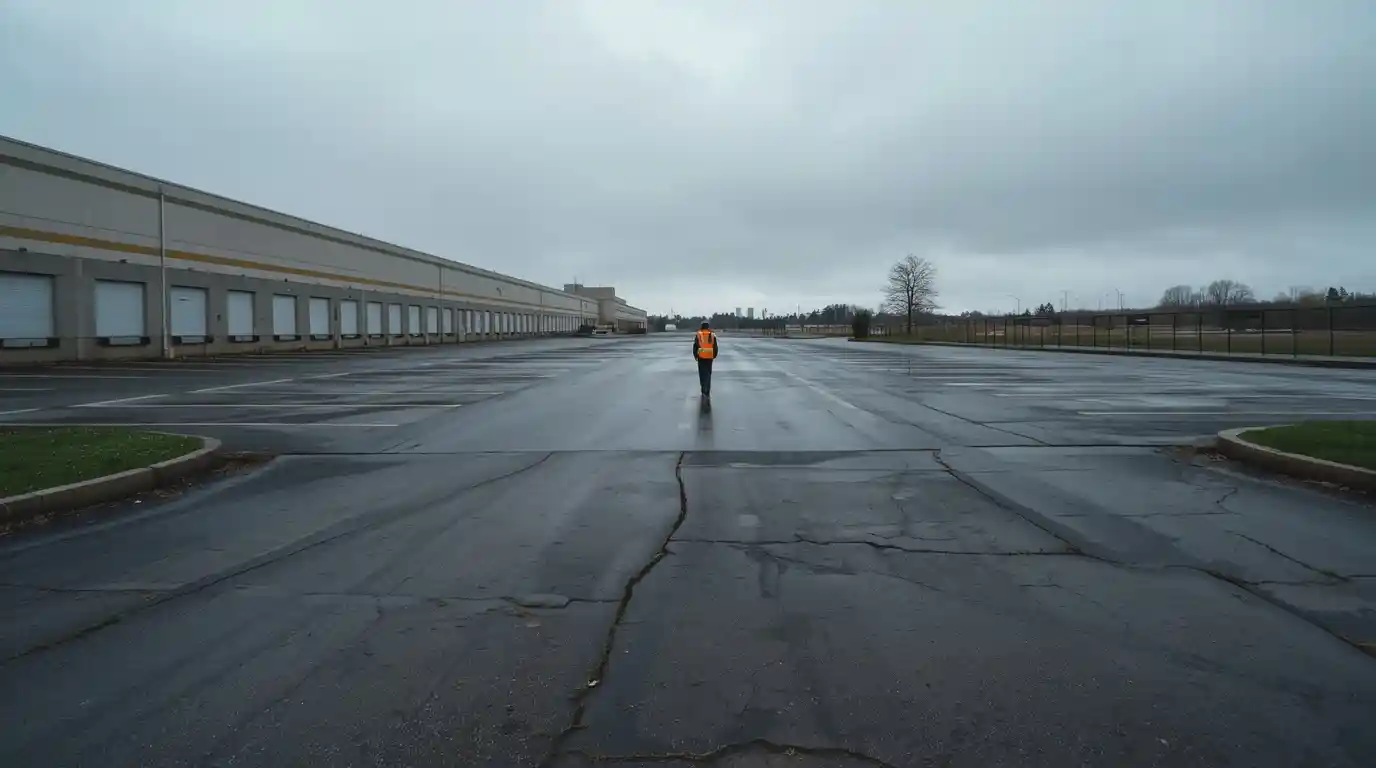
What's at stake locally is not abstract. Roughly 3,000 people worked at the plant before production stopped, and on Aug. 12 Unifor said Stellantis had disclosed it was considering closing the site outright and selling it. That is the backdrop to Brown's demand: a city watching its largest industrial employer edge toward the door while trade talks circle other files.
Why the Brampton Auto Plant Sits Empty
This was never one dramatic shutdown announcement. It happened in stages over roughly two and a half years, and each step looked defensible on its own until you line them up.
From muscle cars to a Compass that never arrived
For close to two decades the plant turned out Dodge Chargers and Challengers. When the Charger was redesigned around an electric powertrain, that work shifted to Windsor. Brampton was promised a second act — retooling for the next Jeep Compass, which started in January 2024. Thirteen months later, with U.S. tariffs biting, Stellantis paused the retooling and sent workers home.
The October 2025 decision that changed everything
Eight months after that pause, the company told Unifor the Compass earmarked for Brampton would instead be built in Belvidere, Illinois, for the American market. The same model was already being assembled in Italy for Europe. That left the Ontario site with no product, no restart date and, as the union put it, idled indefinitely.
A city that rezoned the land to block Plan B
Council's response was unusual. It unanimously adopted a motion from Brown designating the assembly lands for automobile manufacturing and nothing else, with the Official Plan and zoning bylaws to be amended to match. Distribution warehouses and housing developers pay well for 300-plus acres beside a highway. Brampton has moved to make sure they can't buy it.
What Ottawa Is Actually Trying to Win
Autos and parts that meet CUSMA rules currently face a 25 per cent U.S. tariff. One proposal under discussion would cut that to somewhere between 10 and 15 per cent. Prime Minister Mark Carney says negotiators are pressing on all strategic sectors, autos included — but the American side has floated frameworks that leave the sector out of the deal entirely.
That's exactly the trap Brown is flagging. An agreement that settles lumber or energy while shelving autos would read as progress and still leave Ontario's assembly lines fully exposed. Figures cited around the negotiations put the value of Canadian goods caught by the Aug. 19 tariffs at $20 billion to $28 billion.

The $10-Billion Question Workers Keep Asking
Global News reported that Stellantis has received about $10 billion in federal support since 2015. For people who have spent 18 months waiting on a call-back, that figure is the entire argument: public money went in, and the product went to Illinois. Unifor has said it won't sign a new contract without a firm commitment on Brampton.
There is absolutely no replacement for high paid union jobs developed under an auto sector collective agreement built up over 80 years.
That was Unifor national president Lana Payne after the Compass decision. Stellantis says it is entering negotiations with the union and is still pursuing what it calls a sustainable manufacturing solution for Brampton Assembly. It has not named a product, a date or a buyer.
What It Means if You Don't Live in Brampton
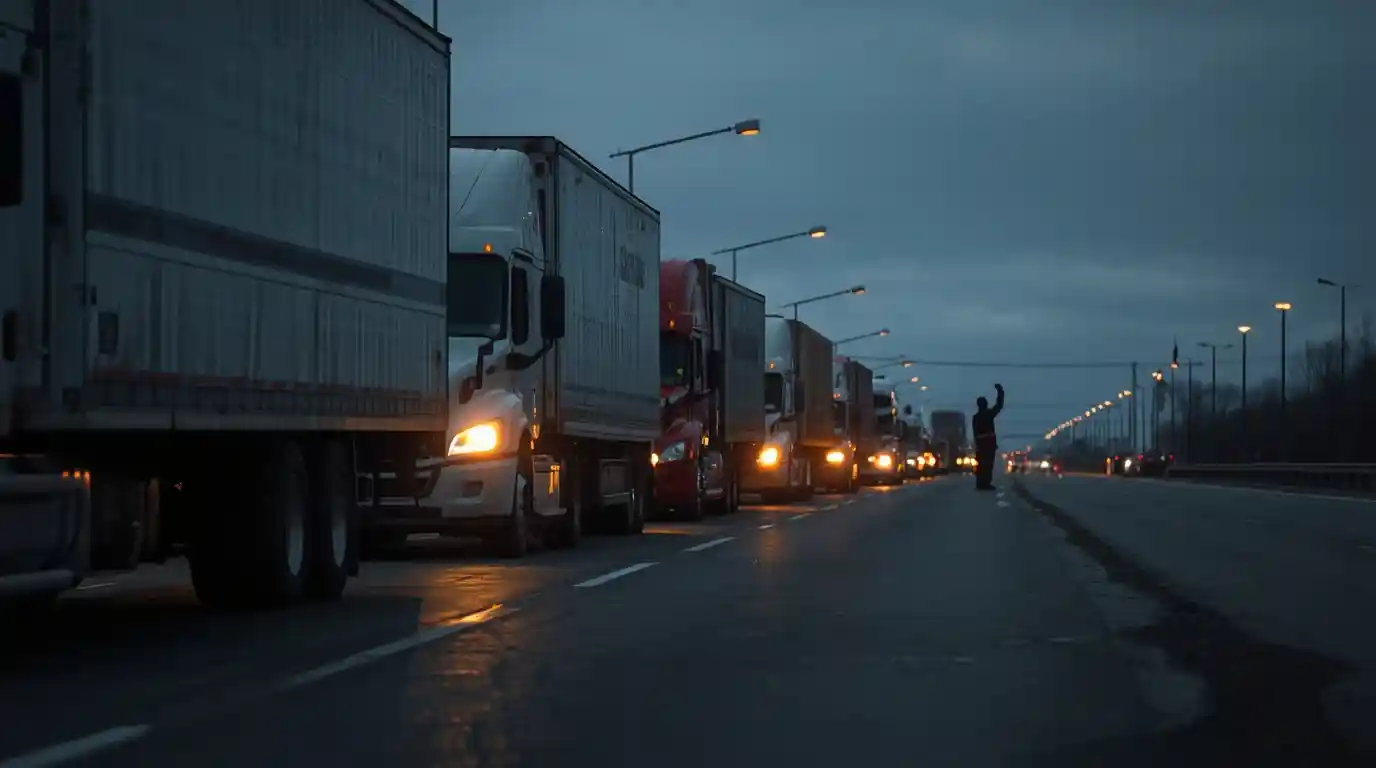
Assembly jobs are only the visible layer. Behind each one sit parts suppliers, tool-and-die shops and trucking outfits strung along the 401 corridor, many of them small firms with a single large customer. Tariffs don't stop at the border, either — a 25 per cent levy eventually shows up in what Canadians pay for vehicles built from cross-border parts.
What to Watch in the Next Two Weeks
Brown, who is seeking a third term with a municipal election later this year, has local reasons to be loud. The substance still holds: the test of any framework is whether it names autos or defers them. Four things will tell you which way this is going.
- Aug. 19 — whether the 50 per cent tariffs land or a framework arrives first
- Whether any announced deal covers autos, or quietly postpones the sector
- Stellantis–Unifor contract talks, where Brampton is the union's stated condition
- Brampton's Official Plan and zoning amendments, which fix what the land can become
If you work in auto parts, logistics or the trades around Peel Region, read the fine print of any deal announcement rather than the headline — a tariff cut that excludes CUSMA-compliant vehicles changes nothing for you. And watch the zoning file as closely as the trade file. Whether the Brampton auto plant ever restarts may come down to whether anyone is legally allowed to use those lands for anything else.


Comments 0