

Bluetongue in Scotland Looks Small. The Midges Say Otherwise
A second Dumfries and Galloway farm has tested positive four days after Scotland's first ever case — and the midge season still has weeks to run.

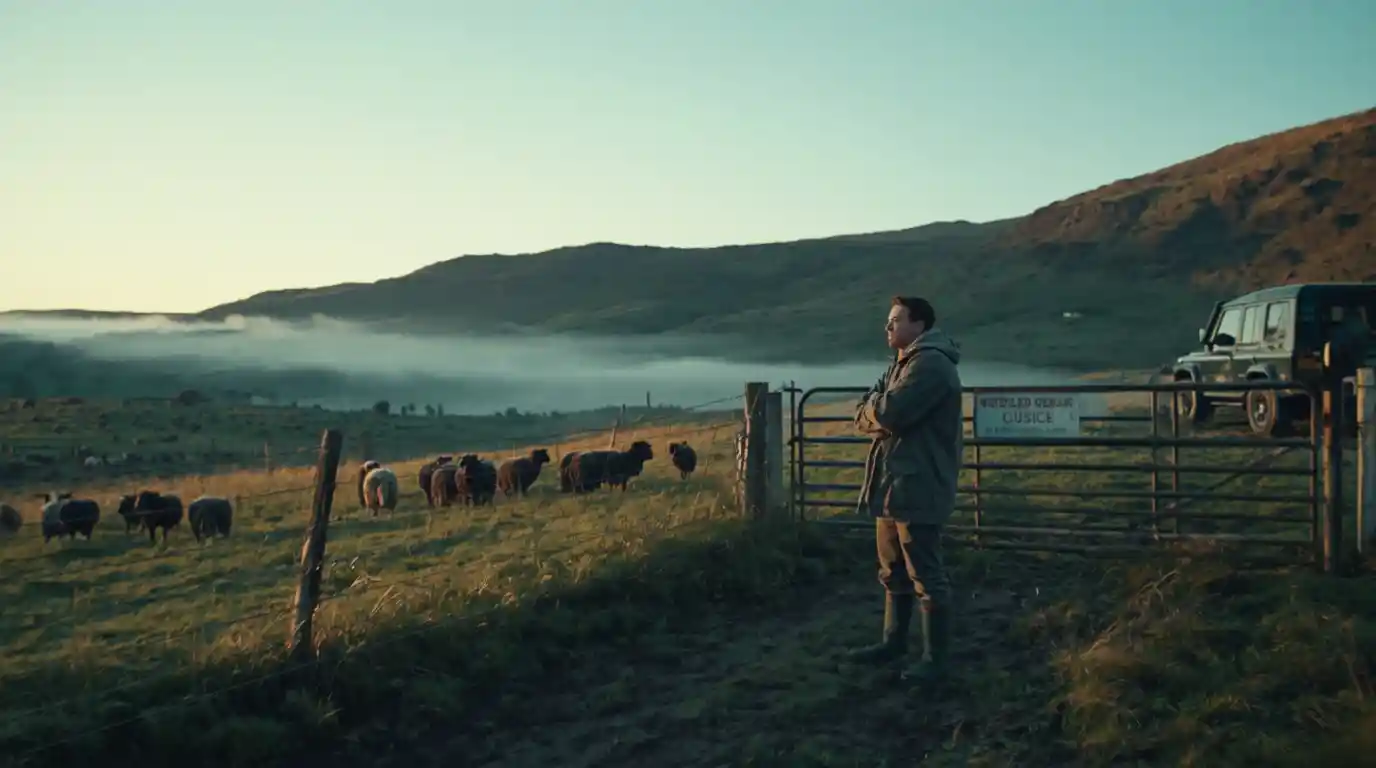
Bluetongue in Scotland is no longer one unlucky animal. Two sheep on a second farm in the south-west have tested positive, just four days after the country confirmed its first ever case of the virus. Both holdings are in Dumfries and Galloway, both are now under restriction while testing continues, and every animal known to be infected has been put down on welfare grounds.
The first case was found on 8 August in a single lamb on a farm outside Creetown, in the Kirkmabreck area. Until then Scotland had been the last part of the UK still clear of bluetongue serotype 3, the strain that has been pushing north through England and Wales since 2025. The second confirmation, announced on 12 August, ended that run.
If you buy the meat rather than raise it, the short answer is that this does not touch you. The virus does not infect humans and has no effect on food safety. What it does affect is livestock, and the way it travels is the problem: biting midges, which have been active across Britain since the end of March. Scotland's seasonal movement controls are written to run until 9 September, which tells you how long officials expect the risk to stay high.
What actually happened in Dumfries and Galloway
Three animals across two farms is a small number, and the Scottish Government has been careful not to overstate it. Testing of other susceptible stock on both premises is still under way, and the restrictions stay in place until that work is finished. Nobody has yet established whether the virus arrived with an animal, on the wind, or in midges blown across the Solway from Cumbria.
At this stage it is not possible to know if bluetongue is circulating in Scotland, or whether this is an individual case, said Scotland's chief veterinary officer Sheila Voas.
That distinction matters enormously. An imported case that is caught and contained is an inconvenience. Local circulation — midges picking the virus up from Scottish animals and passing it on — would mean restricted zones, and restricted zones reshape how a farm trades for months.
Why bluetongue in Scotland is such a big deal
Look at the scale south of the border. Government figures for the current season put UK cases of BTV-3 at 353, with the overwhelming share in England — Devon alone accounts for more than 200, Cornwall around 77 and Somerset 45. Sheep have taken the brunt, with hundreds of animals affected, alongside well over a hundred cattle and, oddly, one llama.
Wales declared an all-Wales restricted zone in November 2025, and the whole of England now sits inside one. Scotland's disease-free status was the reason its farmers could move stock without the paperwork and testing bills their neighbours have been swallowing. Bluetongue reached Britain once before, with serotype 8 in 2007, and clearing it took years of vaccination and controls.
The signs to check your stock for
Bluetongue is notifiable, so spotting it is not optional. Symptoms vary between species and can look like half a dozen other things, which is exactly why cases slip through.
In sheep: the ones you notice first
Sheep show it most obviously. Look for nasal discharge, ulcers or crusting around the mouth and muzzle, swelling of the head and lips, lameness from sore feet, and animals that hang back from the flock. Fever and drooling often come first. Deaths are possible, which is where the "potentially deadly" label comes from.
In cattle: quieter and easier to miss
Cattle frequently carry the virus with milder signs, which makes them effective spreaders. Watch for a drop in milk yield, mouth and teat lesions, lethargy and diarrhoea. A herd can be infected without an obvious crash in condition, so a dairy unit's yield chart may be the earliest warning you get.
Reporting it is a legal duty
Suspicion of bluetongue must be reported to the Animal and Plant Health Agency in Scotland. Not confirmation — suspicion. You do not need a positive test to pick up the phone, and delay is what turns two farms into twenty.
Moving animals into Scotland right now
Between 1 June and 9 September, susceptible animals coming into Scotland from a restricted zone need either a completed BTV-3 vaccination course with 21 days elapsed, or a negative PCR or ELISA test on a sample taken within seven days of the move. Keepers pay for that testing themselves and are invoiced afterwards, so it is a real cost on every load.
- Movements straight to a designated abattoir need no pre-movement test, but must go direct with no stops.
- Cattle fully vaccinated with Bultavo-3, boosters current, can be exempt from testing.
- Stock going to a show or market in a restricted zone and home within four days skip the pre-movement test, but post-movement testing on return is advised.
- Movements are registered on the APHA portal using form EXD645 — you do not have to wait for approval before travelling.
What to watch for before 9 September
The next fortnight decides this. If further Dumfries and Galloway holdings return positives, expect talk of a Scottish restricted zone and a much heavier compliance burden going into the autumn sales. If the tests come back clean, these three animals will look like a border incursion that was caught fast.
Either way, the practical step has not changed: book the vaccination conversation with your vet now rather than in September, and walk your stock daily with the symptom list in mind. Midges do not respect a county boundary, and the season is not over yet.




Comments 0