

Congo Ebola Outbreak: $50 a Month to Knock on Doors
Six or seven of every ten new infections are turning up in people no one was watching — and the surveillance workers meant to find them first haven't been paid in months.

The Congo Ebola outbreak has become the second-deadliest on record, and the people paid to stop it are losing the race by their own arithmetic. Between six and seven of every ten new infections are now being found in people who were never on anyone's contact list, according to reporting by the Associated Press. That means the virus gets there first. The tracing team shows up after someone has already been feverish, and contagious, in a crowded household for days.
The scale is hard to absorb. Since the first alert on May 14, health authorities have logged more than 4,800 confirmed cases and over 2,200 deaths — a fatality rate close to 46%. On July 31, the running case count passed the 2018–2020 epidemic in the same corner of the country, which ended with 3,481 confirmed cases after nearly two years. This one did it in eleven weeks. Ituri province alone accounts for roughly nine in ten cases.
Why should any of this land on a reader in Ohio or Oregon? Partly because it has already changed how people get home from central Africa: US-bound flights from affected countries are being funneled through four airports for health screening. And partly because the failure here isn't exotic. It's a staffing and payroll problem, the same kind that hollowed out US public health tracing during COVID.
How the Congo Ebola Outbreak Got Ahead of the Trackers
Contact tracing for Ebola is not complicated in theory. The incubation period runs from two to 21 days. You list everyone a confirmed patient touched, check them daily for three weeks, and pull anyone who spikes a fever into isolation before they infect a household. Done well, it starves the virus. Done badly, it becomes paperwork about a fire that's already spreading.
WHO's own bulletin from early July showed 8,954 of 10,821 identified contacts completing follow-up — about 83% in Ituri. That looks like a functioning system, and it's exactly where the trap is. Follow-up rates only measure the contacts you managed to write down. People the teams never identified don't appear in the denominator at all. The AP's figure describes the missing denominator, and it's most of the outbreak.
We are chasing the virus; the virus is ahead of us. — Dr. Mohamed Yakub Janabi, WHO Regional Director for Africa
Who Actually Knocks on the Doors
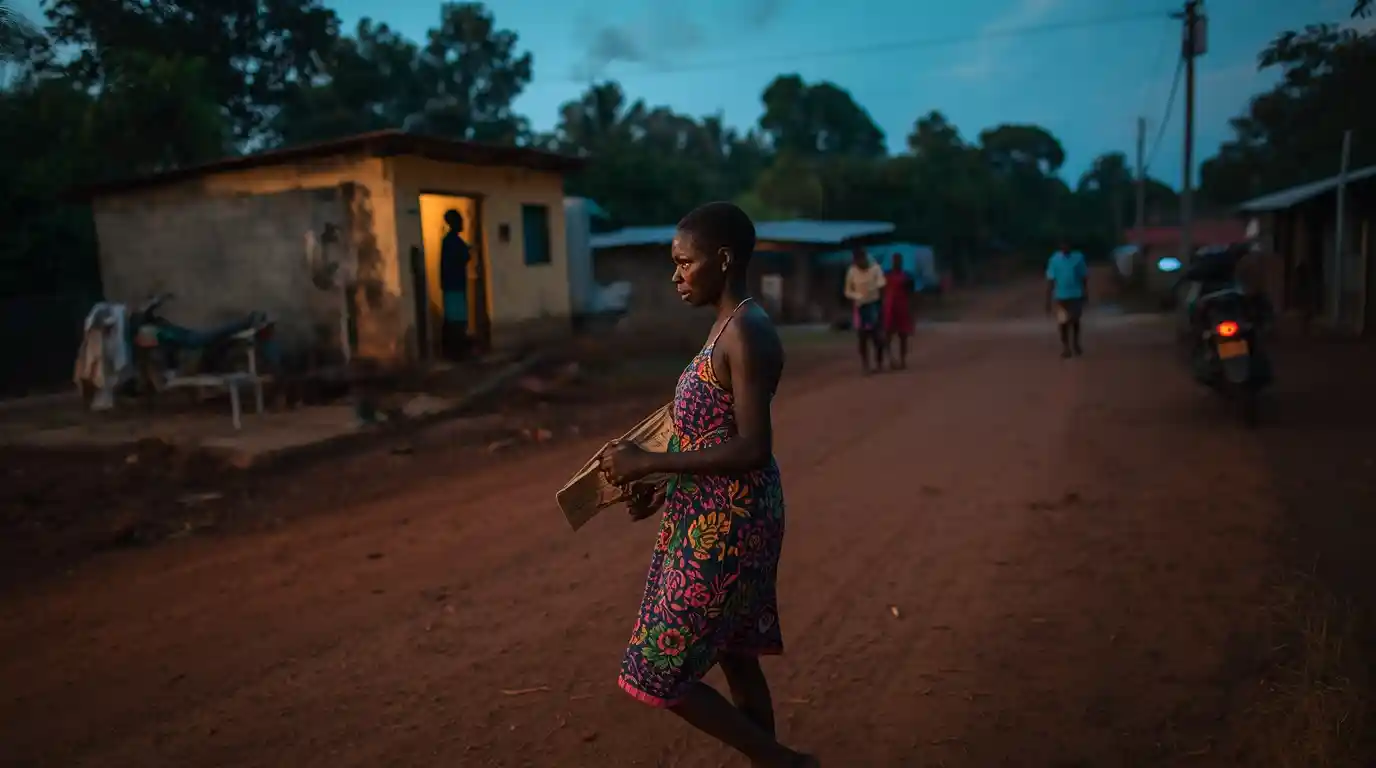
Surveillance in eastern Congo is not done by epidemiologists in Land Cruisers. It's done by community health workers who live in the villages they cover, know which family is hiding a sick relative, and walk or ride to find out. In Nizi, a town in Ituri, teams are fielding 60 to 70 alerts a day — each one a report of a fever, a death, or a suspicious burial that somebody has to physically go and check.
Fifty Dollars a Month, Gloves Bought Out of Pocket
Ana Ndroy Kasime, a community health worker in Nizi, told the AP she earns about $50 a month and buys her own supplies. That's roughly $1.65 a day — less than a US commuter spends on coffee — to go door to door in a Bundibugyo outbreak. "When we go door to door, we don't have protective equipment," she said. Ebola spreads through blood and body fluids, so gloves are not a nicety.
Days That End Near Midnight
Gédéon Banga Ngbape, another Nizi health worker, described shifts running from 8 a.m. until 11 p.m. or later once follow-up visits are counted. "We started surveillance with fewer workers. The challenges are enormous," he said. Fatigue is not a soft problem in this job — a missed household on Tuesday is a cluster by the following week.
Three Months Without a Paycheck
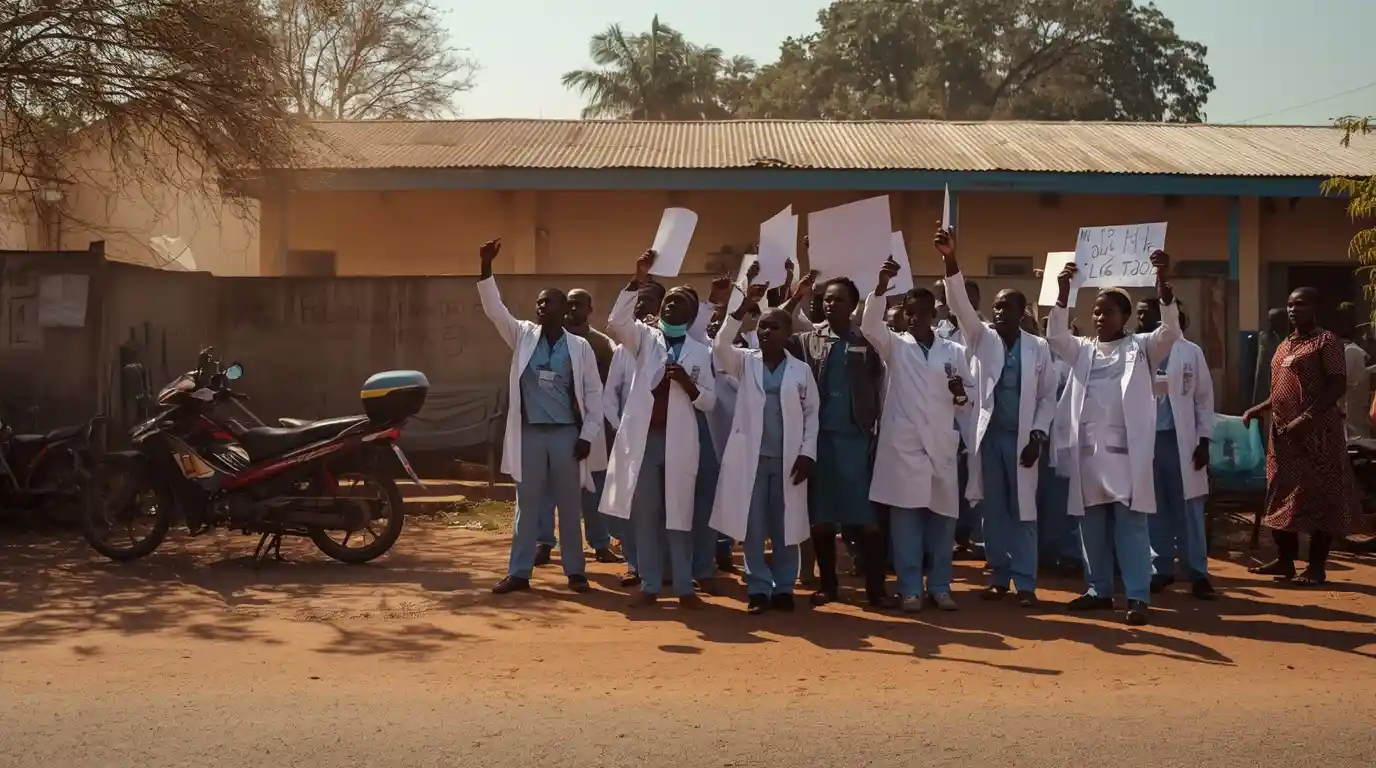
Many of these workers have gone unpaid for more than three months. Jean Kaseya, who heads Africa CDC, has publicly pressed Congo's government to clear the arrears. The UN has released $30.5 million in emergency funding, but money at the top does not automatically become wages at the bottom, and unpaid staff quit.

A Strain the Existing Drugs Weren't Made For
This outbreak is caused by Bundibugyo virus, not the Zaire species behind most previous emergencies. That distinction is doing enormous damage. The licensed Ebola vaccine and the antibody treatments that helped end the 2018–2020 outbreak were certified against Zaire, and WHO initially advised against deploying the vaccine here for lack of cross-protection evidence, though Phase 3 trials have since been authorized. Congo is fighting this one largely with 1970s tools: find, isolate, trace.
How It Compares, and What Worked Next Door
The 2014–2016 West Africa epidemic remains the largest, with more than 11,000 deaths. This outbreak's death toll has climbed roughly three times faster than that one did at the same stage. Violence compounds it — at least a dozen attacks on health facilities were recorded through mid-July. Yet Uganda, with 20 confirmed cases and two deaths, declared its own outbreak over on July 28. France treated a single imported case, a doctor returning from Congo, who recovered. Ebola stays containable where surveillance is funded and staffed.
What US Travelers and Clinicians Should Know
CDC advises against all travel to Ituri and North Kivu except for aid work, and against nonessential travel to Haut-Uélé and Tshopo. Travelers who've been in Congo within 21 days are barred from boarding commercial flights to the US; those arriving from Uganda or South Sudan must enter through Dulles, Atlanta, Houston Intercontinental, or JFK for screening.
If you or someone in your household has been in the region in the past three weeks and develops a fever, headache, or muscle aches, call your doctor or local health department before walking into an emergency room — advance notice lets staff protect themselves and everyone in the waiting area. The number worth watching in the coming weeks isn't the case count. It's the share of new infections found among people already under monitoring. If that figure starts climbing, tracing is catching up. If it doesn't, no amount of emergency funding will close the gap.



Comments 0