

NALSAR Enrolment Ban Lasted Five Hours and 23 Minutes
Three circulars in one night took India's top law regulator from freezing an entire graduating batch to closing the file completely.
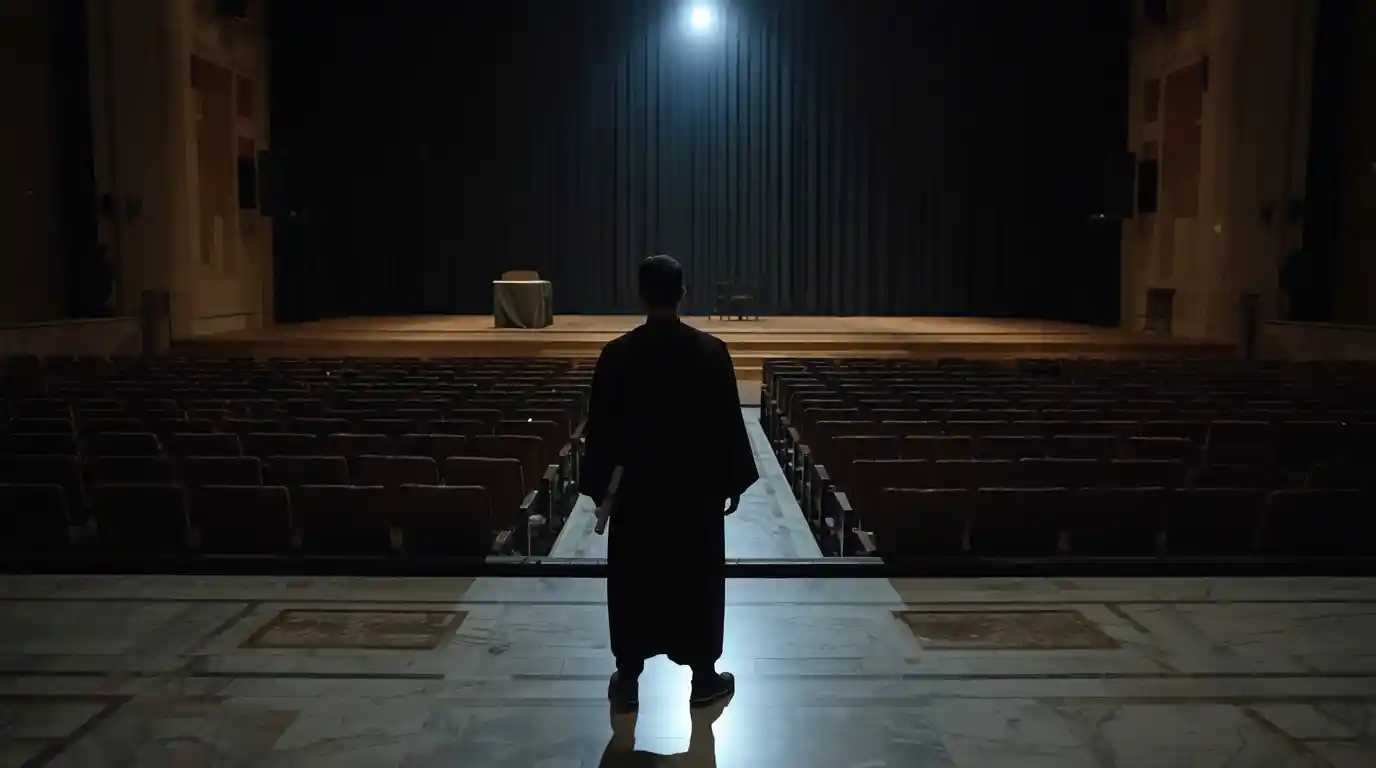
The NALSAR enrolment ban lasted five hours and 23 minutes. On the night of Thursday, 13 August, the Bar Council of India told every State Bar Council in the country not to enrol a single 2026 graduate of NALSAR University of Law, Hyderabad, as an advocate. By 12:43 am, according to NewsMeter's timeline of the circulars, the order was gone — and so was the inquiry that had briefly replaced it.
What the graduates had done was write a letter. A section of the outgoing batch asked their vice-chancellor, registrar and faculty to reconsider inviting Chief Justice of India Surya Kant as chief guest at convocation. Outlook reported that roughly 70 students signed the representation, dated 23 July. The order that followed did not touch 70 people. It covered the entire graduating class.
For a fresh law graduate that is not a symbolic penalty. Enrolment with a State Bar Council is the licence itself — without it you cannot appear before a court, and most litigation chambers will not put you on the roll. A hold "until further orders" during enrolment season is a hold on the first job, the first salary, and the All India Bar Examination cycle that follows.
The courtroom remark that set this off
The objection traced back to a Supreme Court hearing on 20 July over alleged police action against protesters at Jantar Mantar in Delhi. When counsel offered to play video of the incident, the CJI said the bench was not interested in videos and did not have time to watch them, as Outlook reported. For students who had spent five years being taught that evidence is the whole point, that line landed badly. Their letter cited inaction over police excesses and asked the university to think again.
How the NALSAR Enrolment Ban Fell Apart
Three documents went out in under six hours, each softer than the last. Read together they are a rare thing in Indian institutional life: a regulator changing its mind in public, twice, in a single night.
7:20 pm — the whole batch is frozen
BCI Chairman Manan Kumar Mishra directed State Bar Councils to withhold enrolment for every 2026 NALSAR graduate until further orders. Vice-Chancellor Srikrishna Deva Rao was asked to send an authenticated report within three days naming whoever initiated, organised, coordinated or mobilised the campaign, with copies of the representations, the full signatory list, details of meetings and social media groups, and any calls for a boycott.
8:45 pm — only the "instigators"
Roughly ninety minutes later the freeze was withdrawn. The revised circular said the vast majority of students were innocent and should not suffer for the alleged misconduct of a few. Everyone could enrol. But the hunt for whoever supposedly instigated the letter stayed alive, which meant the demand for names stayed alive too.
12:43 am — nothing at all
Then the inquiry went as well. Mishra said the Council had weighed the reactions of senior advocates, members of the Bar, law students and ordinary citizens before shutting the file.
After considering the representations and reactions of Senior Advocates, learned members of the Bar, law students and public spirited citizens, and being satisfied that the 2026 batch of NALSAR, Hyderabad, had no role in any disturbance or movement, the Bar Council of India has decided to close the proceedings altogether. No further action is required from NALSAR.
Could the Bar Council actually do this?
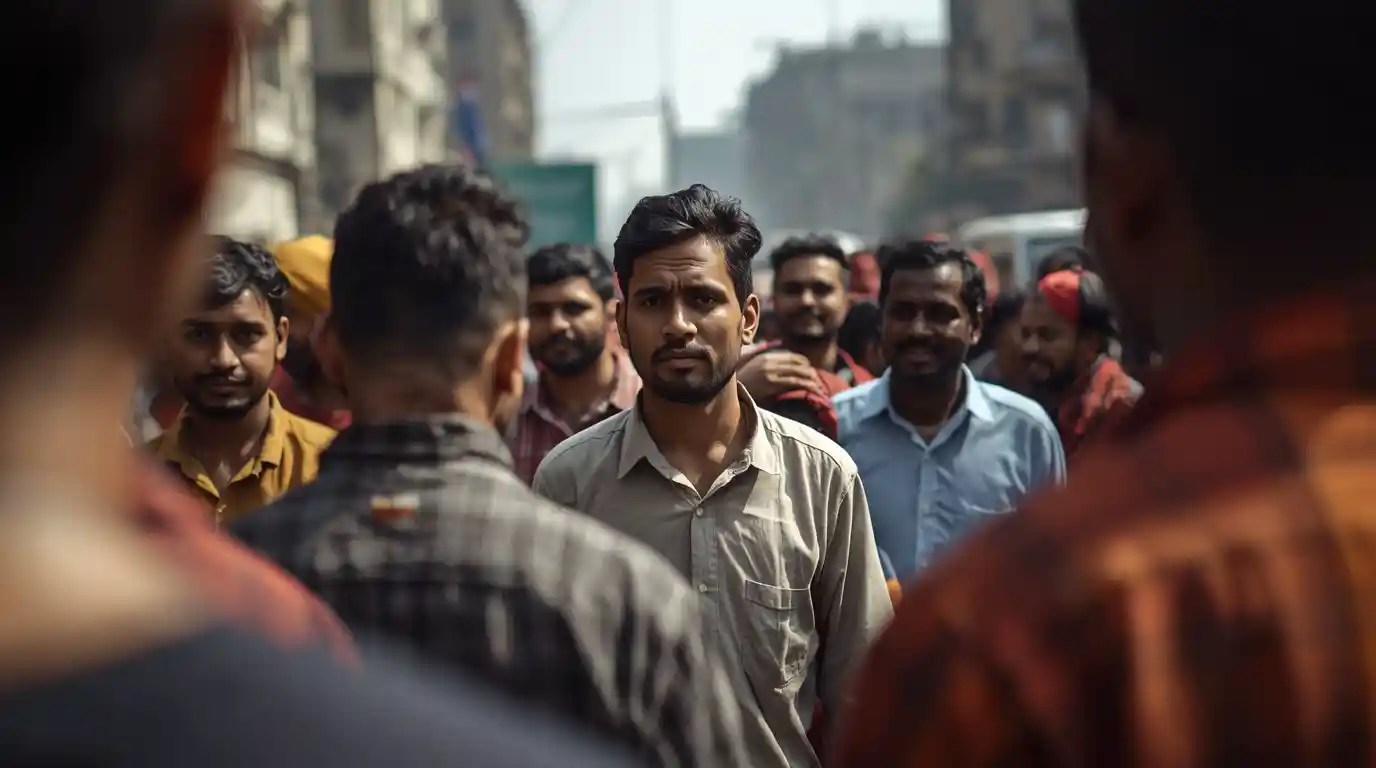
Senior lawyers raised that question about the NALSAR enrolment ban almost immediately. Supreme Court Bar Association president Vikas Singh called the direction illegal, disproportionate and fundamentally unsustainable, noting that enrolment and disqualification are governed by the Advocates Act, 1961 — a law that deals with individuals on specified grounds, not with whole batches. He also flagged Article 19(1)(g), the right to practise a profession. AIMIM MP Asaduddin Owaisi called the move absolutely condemnable. NewsMeter reported that Rao questioned the inquiry's constitutionality, and the late-night withdrawal followed.
Seventy signatures, a whole batch on hold
The gap between the act and the response is the part worth remembering. A representation reportedly signed by about 70 students produced an order covering the full 2026 batch, which some reports put at around 450 graduates. Nobody disrupted a ceremony. The convocation had not even taken place. Students wrote to their own university about a guest list — the mildest form of protest available inside an institution built to teach argument.
What law students should watch now
Closed proceedings are not the same as a rule. Mishra's final statement paired the withdrawal with a caution that dissent is welcome in a democracy but constitutional institutions should not be held up to public ridicule. That leaves the line exactly where it was on Thursday morning: undrawn, and decided case by case by whoever chairs the Council.
If you are graduating this year, keep your own copy of anything you sign, because the first circular asked for signatory lists and group chat details and that demand can be made again. Watch for any written BCI position on student speech, and watch whether a State Bar Council quietly slows NALSAR files even though the NALSAR enrolment ban is dead. If enrolment does stall, this week's paper trail — three circulars in one night, the last closing everything — is the strongest document a graduate can put on the table.
Comments 0