

Only 9,600 Births Sit Behind the Birthright Citizenship Order
Trump's second attempt is far smaller than the one the Supreme Court killed in June — but the part that touches Indian travellers happens at the visa window, not in court.

President Donald Trump signed two executive orders on 6 August that narrow birthright citizenship for a defined set of children born on American soil, and separately hand his cabinet the job of shutting down what the White House calls birth tourism. Both arrived barely five weeks after the Supreme Court told him he could not do this the broad way. The new pair is deliberately smaller than the version the justices struck down.
Here's the figure that frames all of it. Federal health data for 2024 counted close to 9,600 babies born in the United States to mothers who listed a home address in another country, according to PBS NewsHour. The Center for Immigration Studies, which argues for tighter limits, puts the yearly total higher, somewhere between 20,000 and 26,000. Trump has described the practice as running into hundreds of thousands of births. Researchers say that last figure doesn't survive contact with the data.
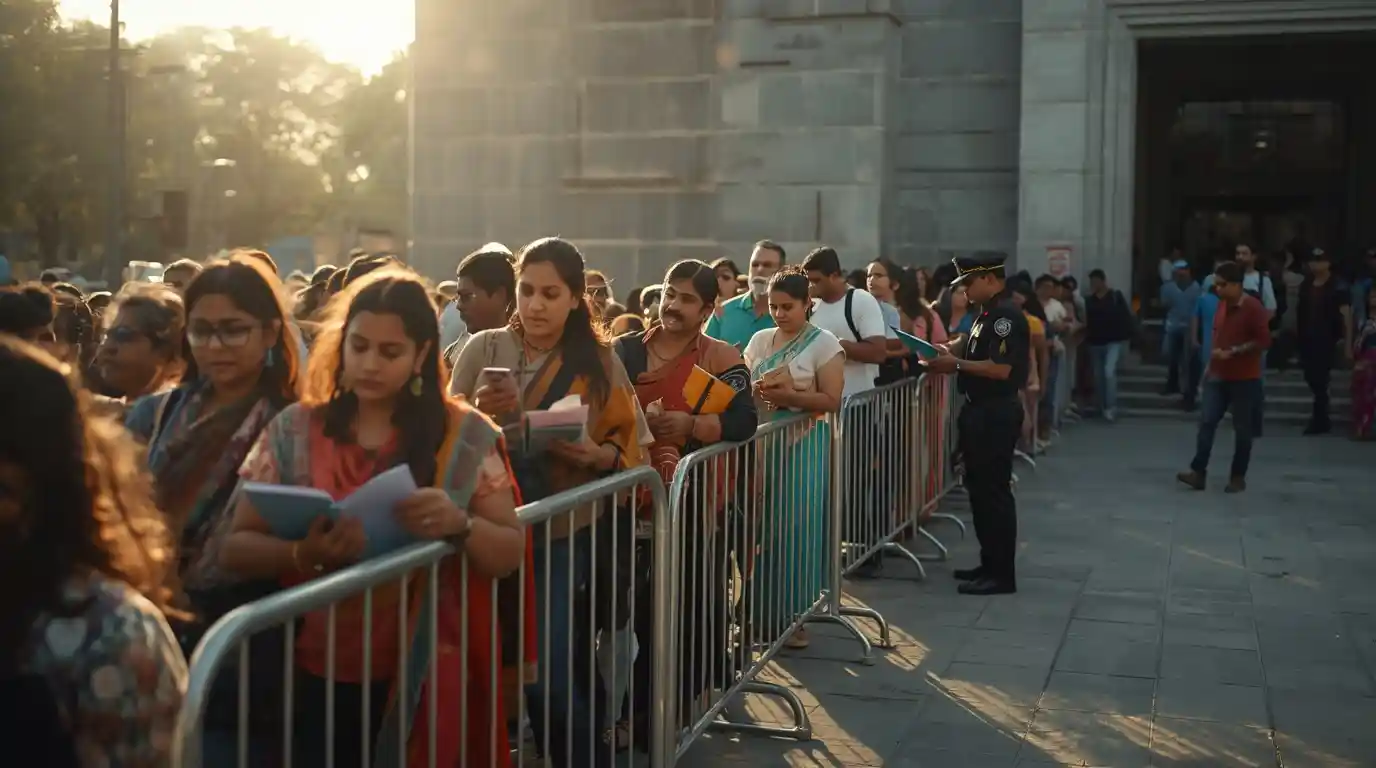
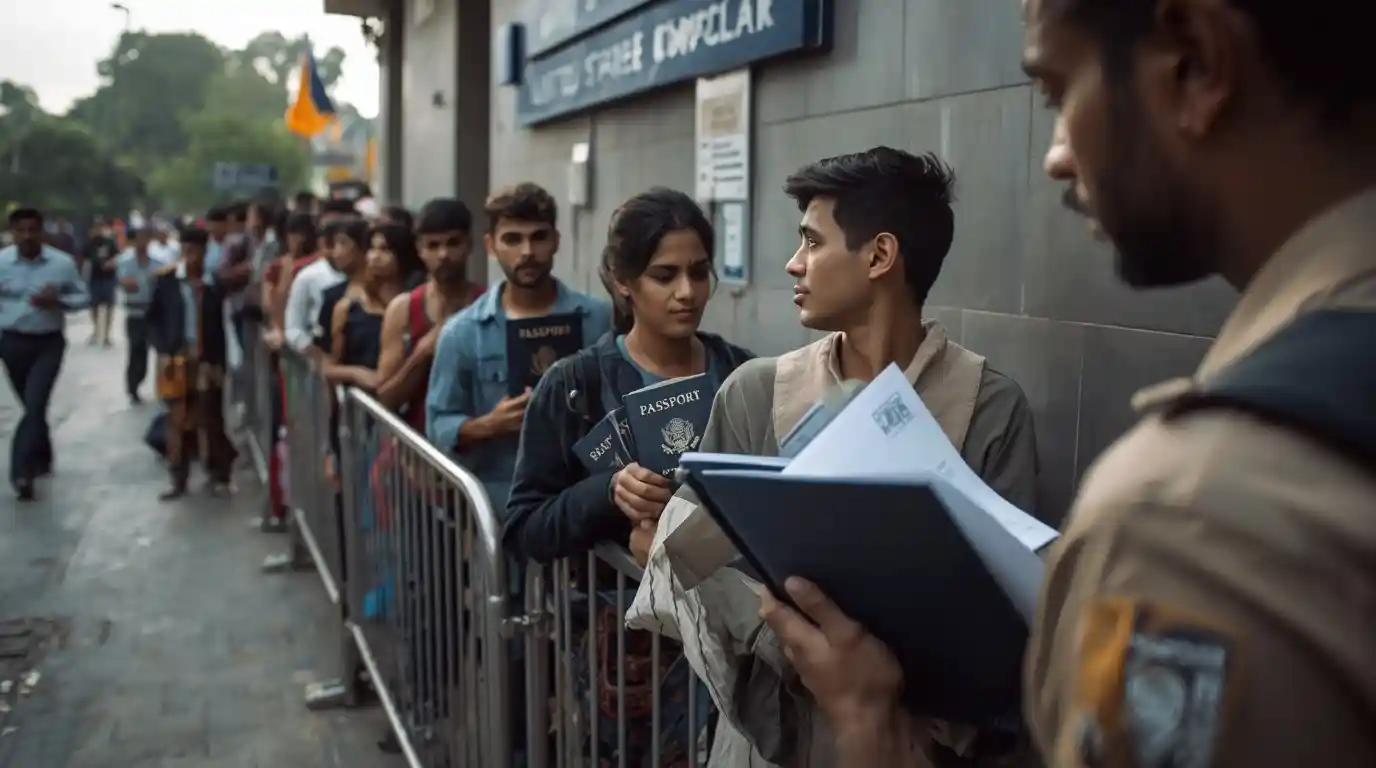
For a reader in India, the constitutional fight is the less useful part. The question that actually bites is whether the next visa interview gets harder. India is routinely named alongside China among the leading origin countries in birth tourism coverage, and the second order puts the Secretary of State and the Secretary of Homeland Security in charge of stopping it. That work happens at consulates, in visa queues and at airport counters — well before any judge weighs in.
What the Two Orders Actually Do
The first order lists categories of US-born children the administration says fall outside automatic citizenship: children of foreign diplomatic and consular officers, children of United Nations and international organisation staff, children of parents classed as alien enemies, children of parents tied to designated terrorist organisations, children of parents found to have used fraud to get citizenship, children born through surrogacy arrangements, and children born to women who entered on a short-term visa in order to deliver.
The second order is plumbing rather than doctrine. It delegates presidential authority to State and Homeland Security and tells them to halt birth tourism using tools they already hold — visa screening standards, consular instructions, entry decisions. No new law from Congress, no new definition of citizenship. That is precisely why it may prove harder to challenge than the first one.
Why the Birthright Citizenship Numbers Don't Match
The gap between 9,600 and "hundreds of thousands" isn't a rounding error, it's a difference in kind. The health data captures only mothers who wrote down a foreign address on a birth record — an undercount by design. The advocacy estimate tries to model people who came, delivered and left. Neither method gets anywhere near six figures.
One detail stands out. The White House fact sheet announcing the orders finds room for plenty of enforcement statistics: denaturalisation claims against 88 people, more than three million deportations, benefits cut off for 1.4 million. It offers no number at all for birth tourism, the practice the orders exist to end.

What Changes for Indian Travellers
The honest answer is that the rules on paper have barely moved for most Indian families. What has moved is the level of scrutiny an officer is now expected to apply. Here's how that splits by situation.
If You Are Applying for a Visitor Visa
This is where the pressure lands. Consular officers already ask about the purpose of travel; the new order effectively tells them to treat late-stage pregnancy as a reason to probe harder. Business Standard and Outlook India both flag the same risk — a trip taken while pregnant may draw questions about whether delivering in the US is the real reason for going. Medical treatment, family visits and conferences remain legitimate; the burden is on showing that.
If Your Family Is on H-1B, L-1 or a Student Visa
Children born in the US to Indian parents on H-1B, L-1 or F-1 visas remain American citizens at birth. That was the whole point of the June ruling, and neither new order disturbs it. Long green-card backlogs mean this affects a very large number of Indian households, which is why the June judgment was read here as a relief.
If the Baby Was Born Before This
Nothing announced on 6 August applies backwards. Passports and certificates already issued stay valid. Any attempt to revisit them would run straight into the Supreme Court's own words.
The Court Ruling That Forced a Rewrite
On 30 June, in Trump v. Barbara, the court ruled 6-3 against the 2025 order, with Chief Justice John Roberts writing for the majority. It held that children born in the US to parents who are unlawfully or temporarily present are subject to American jurisdiction and are citizens under the Fourteenth Amendment. Justice Clarence Thomas dissented, joined by Justice Neil Gorsuch. The case had been argued on 1 April.
There's a small tell in the paperwork. The order the court killed was called "Protecting the Meaning and Value of American Citizenship." The new one is titled "Continuing to Protect the Meaning and Value of American Citizenship." Same project, narrower aim, and a title that says the administration hasn't dropped it.
What to Watch in the Next Few Weeks
Litigation is close to certain — the ACLU has already said the court settled this argument in June. The more consequential thing to track is quieter: any updated guidance State and Homeland Security issue to consular posts, because that reaches applicants immediately and doesn't wait for a hearing.
If you're planning US travel in the next few months and someone in the party is pregnant, don't wing it. Carry proof of the trip's actual purpose, evidence of insurance or ability to pay for any care, and clear ties back home. If a delivery abroad is genuinely being considered, take proper legal advice first rather than relying on how things worked last year.



Comments 0