

₹42,000 for a Table? Blame Restaurant Reservation Apps
A resale market for dinner tables has taken hold in New York — and India's dining is moving on to exactly the same rails.

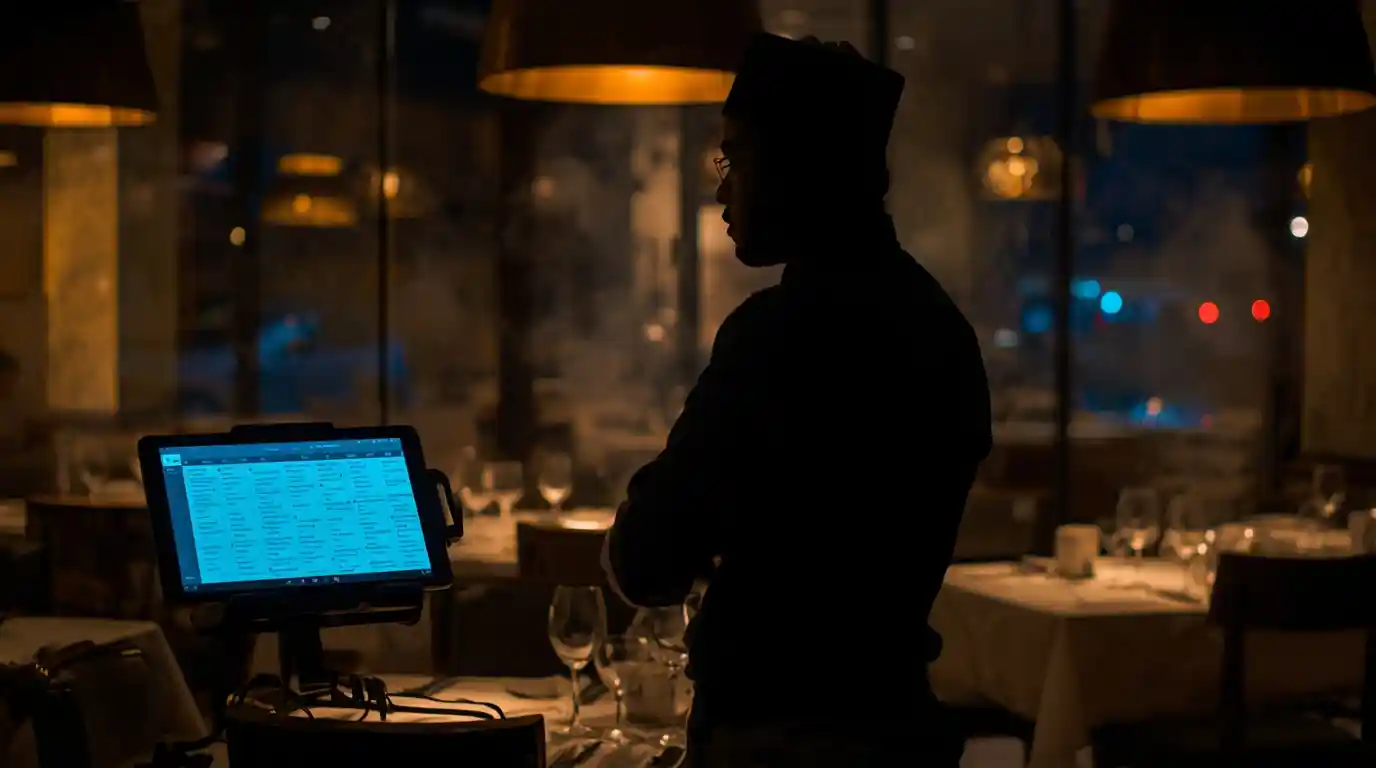
Restaurant reservation apps were supposed to kill the busy signal and the maître d's little black book. In New York they have done something stranger. A Saturday night table for two at Semma, an Indian restaurant in Manhattan, was recently listed for $480 — roughly ₹42,000 at current rates — on Cita, a marketplace where people buy and sell tables they never intend to use.
Cita is not alone. Appointment Trader, which opened in 2021, takes a 20% to 30% cut of every sale and has handled more than $2.4 million worth of reservations, about ₹21 crore, according to The Hustle. A third site, ResX, runs a free exchange with a $10-a-month premium tier. None of these companies cook anything. They sell the right to sit down.
So why should a diner in Bengaluru or Gurugram care about a Manhattan table? Because Indian dining is moving on to the same rails, quickly. Google's AI Mode now books tables here through Zomato, Swiggy and EazyDiner. Petpooja says its reservation tool pulls in over 10,000 bookings a day across 500-plus restaurants in more than 80 Indian cities. Same plumbing, same incentives.
How a Dinner Table Became a Tradable Asset
The mechanics are dull and brutally effective. Software watches a restaurant's page on Resy, Tock or OpenTable and grabs slots the instant they open, often 30 days ahead at midnight. A human tapping refresh never wins. The scalper lists the booking, swaps the name after payment lands, and keeps the spread. Restaurant reservation apps were built for a world where a booking had no cash value, and that assumption is now gone.
It gets worse for the kitchen. Bots are frequently fed junk card details, so when a resold table doesn't move, the restaurant can't even collect the no-show fee it was counting on. Some listings turn out to be for reservations that never existed at all. The diner is out of pocket, the restaurant is out a cover, and nobody who actually cooked gets paid.
Why Restaurant Reservation Apps Can't Stop the Bots
The platforms are fighting back, but every defence they have built pushes some cost or friction on to the person who just wants dinner. Three approaches dominate, and each changes what booking a table feels like.
A Small Fee for Every Seat
Resy has added a booking charge of about $2.50 a head at some restaurants — roughly ₹220 — on the logic that bots don't carry working cards or real contact details. OpenTable leans on card holds and deposits. It's a tollbooth, not a wall. Anyone flipping a table for $480 will pay $2.50 without blinking.
Pay for Dinner Before You Sit Down
The blunter answer is prepayment: you buy the meal, not the slot. Indian restaurants have quietly run a version of this for years on New Year's Eve and festival nights, where a per-head deposit is standard and nobody complains. A table that is already paid for cannot be flipped at a profit.
Keep Some Seats Off the App Entirely
The oldest defence still works best. Restaurants hold tables back for walk-ins, verify large bookings by phone, or give early access to a partner's cardholders, as Resy does with American Express. If the app has shown you nothing for weeks but the host seats you anyway on a Tuesday, this is why.
New York Made Reservation Scalping Illegal
New York moved first. The state legislature passed the Restaurant Reservation Anti-Piracy Act on 6 June 2024, Governor Kathy Hochul signed it on 19 December 2024, and it took effect on 17 February 2025. The law bars third-party services from arranging or reselling reservations without the restaurant's consent. Resy and Tock both publicly backed it, and other US states are weighing copies.
India has seen this film before, with trains. Tatkal bookings have been worked by touts running automated scripts for years, and the answer was never one law — it was captchas, ID checks, booking limits and enforcement, applied again and again. Dinner tables are a much smaller prize, which is precisely why no one here has legislated.
Where India Stands Right Now
The good news: there is no real resale market for Indian tables today. Restaurant reservation apps here compete on discounts, not scarcity. EazyDiner, Swiggy Dineout and District sell 25% off, prepaid vouchers and bank offers. When the entire pitch is "save money", nobody pays a premium on top. The genuinely hard tables in Mumbai, Delhi and Bengaluru still run on phone calls and regulars.
India's version of the problem is the no-show. An abandoned booking costs a restaurant the same as an empty one, which is why deposits and prepaid weekend slots have crept into metro dining. Expect more of that as booking migrates inside search engines and super-apps, where making a reservation takes two seconds and forgetting it takes none.
How to Get the Table You Actually Want
None of this calls for deleting anything. A few habits do most of the work.
- Call the restaurant directly. Phone and WhatsApp bookings often hold inventory the apps never see.
- Ask for the waitlist instead of giving up. Cancellations cluster 24 to 48 hours before the slot.
- Book at 6.30pm or after 9.30pm. The 8pm slot is what everyone else is fighting over.
- Never pay a resale premium for a table — that money funds the thing that broke the system.
- Cancel the second your plans change. In India, that single habit frees more seats than any law would.
Watch for two signals over the next year. First, whether Indian platforms make a small booking fee or deposit standard rather than festival-only — that's the tell that no-shows have finally got expensive enough to price. Second, whether any resale site starts listing Indian tables. The day a Mumbai booking appears with a price tag on it, the black market has landed here, and the rules will follow.


Comments 0