

The $75,000 Hire Behind Ontario's Indigenous Flight Training
Ontario's newest grant to the First Nations Technical Institute won't buy an aircraft — it creates one safety job before the fall term begins.

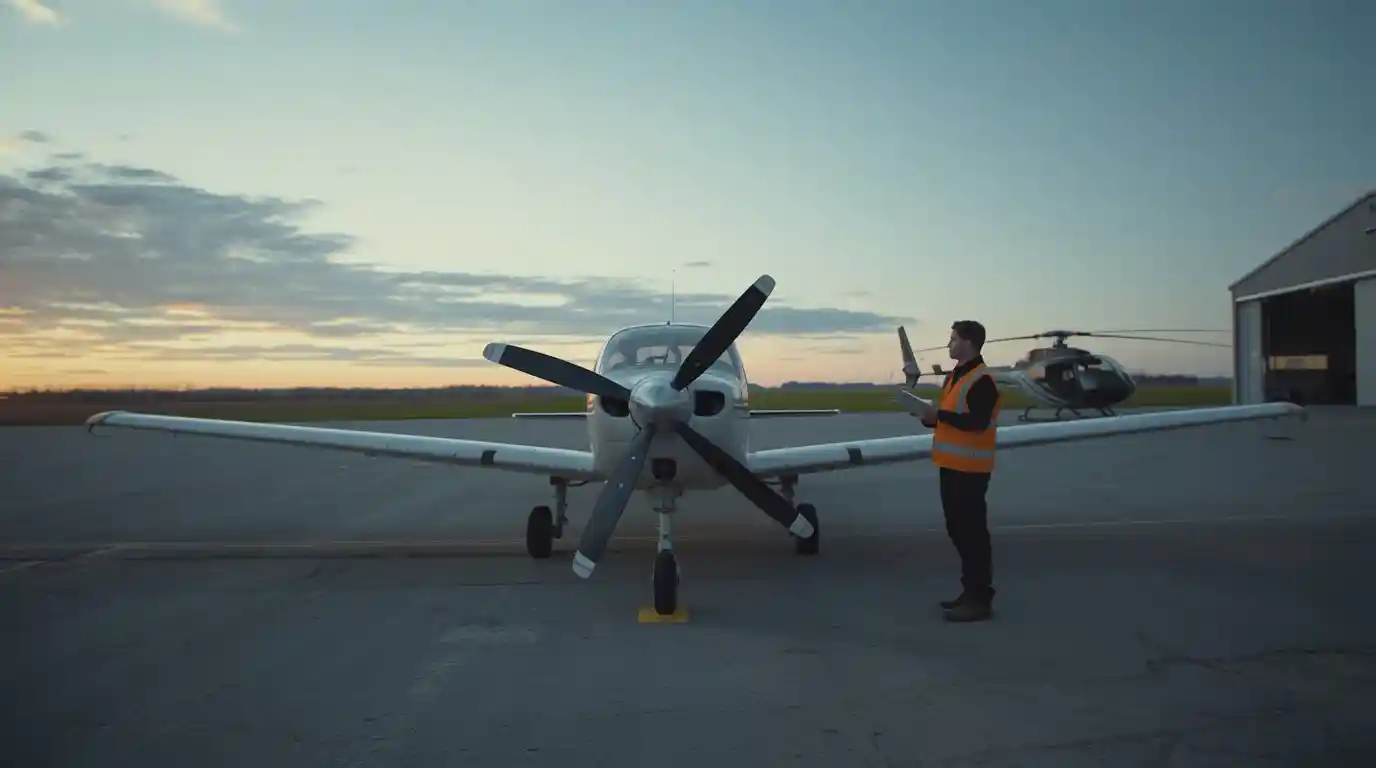
Ontario is putting $75,000 into Indigenous flight training at the First Nations Technical Institute, and almost all of it goes toward a single hire. The province announced the one-time grant on August 12. It doesn't buy an aircraft, a hangar bay or a scholarship fund. It creates one position: a Safety Management Lead, whose entire job is watching how the school's flying programs actually operate.
According to Quinte News, the money was announced by Hastings–Lennox and Addington MPP Ric Bresee, and the new role will set safety standards and track hazards across both the fixed-wing and rotary-wing sides of the school. The timing isn't accidental. The grant is meant to get the institute ready for more complex flight operations heading into September, when a new academic year starts.
That matters well beyond Tyendinaga Mohawk Territory, where the institute is based. FNTI runs the First Peoples' Aviation Technology flight program — described in the province's own May announcement as the only Indigenous aviation postsecondary program in Canada. If you want to train as a pilot inside an Indigenous-led institution anywhere in this country, this is the address. There is no second option to fall back on.
What the $75,000 Actually Buys
Aviation safety at a training school isn't a poster on a wall. It's a documented system: near-misses logged, patterns spotted, procedures rewritten before a small problem becomes an incident report. Regulators expect that paperwork to be owned by a named person, not shared around between instructors already booked solid with students.
That's the gap this grant closes. One person now owns hazard tracking across the whole operation, which is a different thing from every instructor doing their best in the margins of a teaching day. It's unglamorous spending, and it's the kind that only shows its value in the accidents that never happen.
Why Indigenous Flight Training Needs a Safety Lead
Training schools carry a risk profile most workplaces never touch — low-hour students, repeated circuits, and aircraft handed between people still learning the machine. Add a second airframe type and the coordination load climbs sharply.
Fixed-Wing and Rotary-Wing Under One Roof
Running planes and helicopters from the same operation doubles almost everything: checklists, maintenance rhythms, ramp movements, weather calls. The two disciplines behave differently in the circuit and on the ground. A single lead who sees both sides can catch the conflicts that a plane-only or helicopter-only supervisor would miss entirely.
The September Clock
The province tied this grant to readiness for more complex flight operations before the fall intake. That's a short runway for a hiring process. Whoever takes the job will likely spend their first weeks building the reporting system rather than reviewing a mature one, which makes the next few months the real test of whether $75,000 was enough.

The Fire That Reset the Program
This grant lands on a program still rebuilding. A fire destroyed FNTI's training centre roughly four years ago, and the recovery has come in instalments: $1.4 million from Ontario in 2024, then a further $4.4 million announced on May 1, 2026 to rebuild the Aviation Training Centre, including a new flight simulator and modernized classrooms.
Ottawa has been in the mix too. FedDev Ontario committed $4.5 million in 2024 to expand the institute's aerospace training and buy specialized equipment, and Transport Canada backed pilot training there as far back as 2019. Set against those figures, $75,000 looks like a rounding error — but rebuilt facilities without safety oversight is exactly the wrong order to do things in.
Where This Sits in Ontario's $57-Million Plan
Ontario has committed $57 million to the province's nine Indigenous Institutes, part of a larger $6.4-billion postsecondary package. That includes $33 million to fund up to 780 new seats in areas such as health care, education, skilled trades, transportation, STEM and Indigenous languages, and it nearly doubles operating funding for the institutes — pushing past $50 million a year by 2028.
The seat expansion runs on a calendar worth marking. A call for proposals is open now, with the first new seats reaching students as early as January 2027, and a second call in the fall of 2026 for seats starting in the 2027–28 school year. FNTI's aviation stream sits squarely in the transportation category the province flagged.
What to Watch Before the Fall Term
If you're considering aviation training, or you have a kid weighing it, the practical move is to track the fall 2026 call for proposals — that's what decides how many extra seats exist for January 2027 and beyond. Watch, too, for confirmation that the Safety Management Lead is actually in the chair by September. Announced funding and a filled position are not the same thing, and on this file the second one is what counts.


Comments 0