

The Dirty Knife That Cost Ynyshir Its Food Hygiene Rating
Nine months after inspectors found dead flies and a dirty blade at Wales' only two-Michelin-star restaurant, Ynyshir is back at the top of the scale — and the story says a lot about how the ratings actually work.

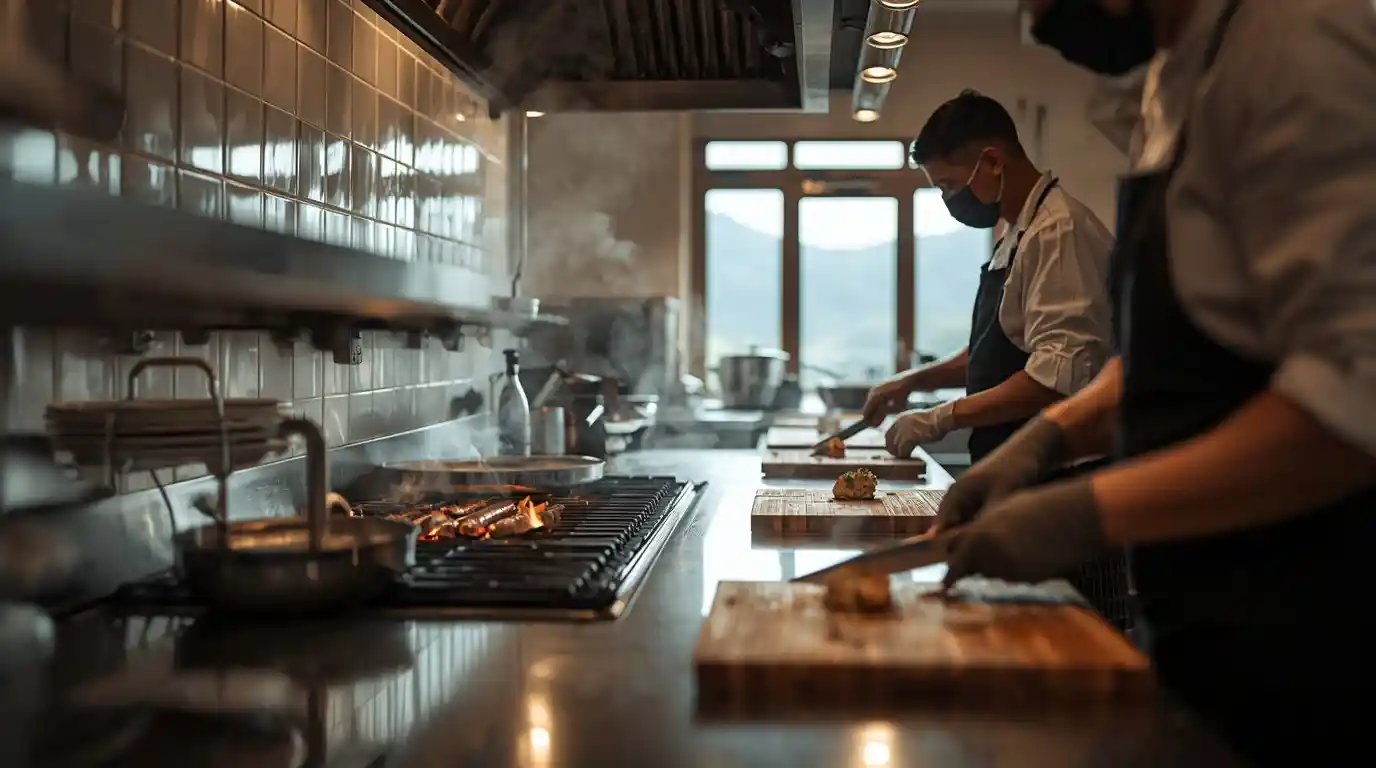
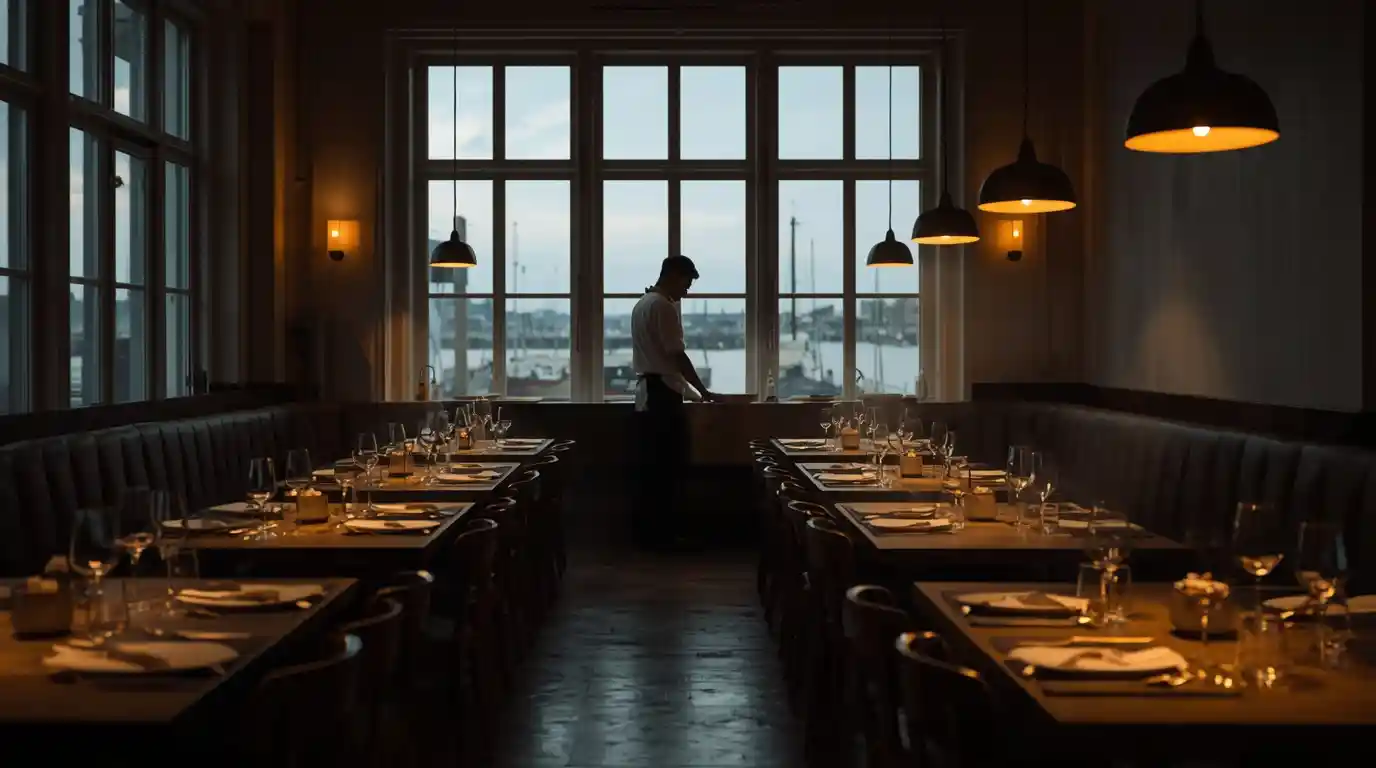
Ynyshir, the 20-seat restaurant hidden in the hills at Eglwys Fach near Machynlleth, has its five-out-of-five food hygiene rating back — the top score on the scale, and a long way from where it sat at the start of the year. Chef-owner Gareth Ward's dining room is the only place in Wales holding two Michelin stars, and for months it was carrying one of the worst hygiene scores in fine dining.
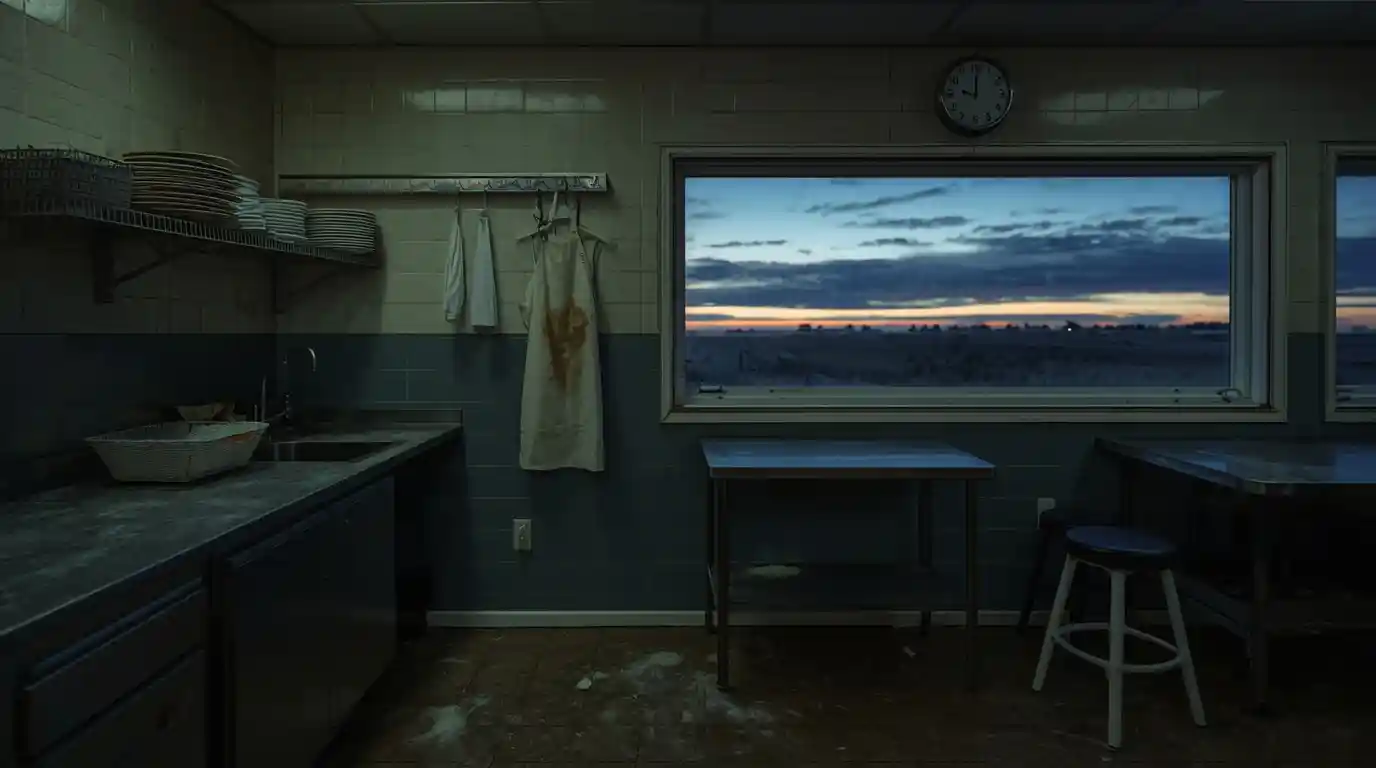
The low point came after an inspection on 5 November 2025. Ynyshir was given one out of five, a score that means major improvement is needed. Inspectors recorded an accumulation of dead flies, a dirty knife being used to shave beef, a dirty floor, broken equipment and not enough hand-washing sinks. Cross-contamination was flagged as a risk. The report became public in February and travelled fast.
Ynyshir now scores "very good" for hygienic food handling and "good" for both cleanliness and management of food safety, according to trade title Restaurant. That is a full recovery on paper. But the more useful part of this story, if you eat out anywhere in Wales, is what the numbers on that green-and-black sticker by the door are really measuring — and what they are not.
What the inspectors actually found
A one-star result is rare at this level of cooking. It does not mean anyone was made ill; there is no suggestion of that. It means an environmental health officer walked through the building and judged that the systems keeping food safe were not holding up on the day.
Dead flies, a dirty knife and broken kit
The individual findings sound small. Together they add up to the thing inspectors care about most: whether contamination has a route to a plate. Flies in a food room, a blade going onto raw beef without being properly cleaned, and missing hand-wash points are all textbook failures in that framework, regardless of how good the beef is.
Ward's answer: this is not a normal kitchen
Ward pushed back publicly, filming inside his own kitchens to show the state of them. A spokesperson argued that Ynyshir's Japanese-influenced techniques involve specialist preparation and handling that does not look like a conventional restaurant operation — long-aged raw ingredients, live fire, methods an inspector would rarely see.
We operate at the highest professional level and are proud to work with some of the finest suppliers and ingredients from across the globe.
How Ynyshir got its food hygiene rating back
The route back is the same for a two-star restaurant as for a corner chippy. Once a business believes it has fixed the problems, it can ask the council for a re-rating visit. Ceredigion County Council re-inspected in February and concluded the business had dealt with everything raised the first time round. Five stars restored.
Worth noting: the repair work was signed off in February, but the restored score only drew wide coverage in August. A rating you see online or on a door reflects the last visit, not this week. That lag cuts both ways — a kitchen can slip after a good inspection just as easily as it can improve after a bad one.
Why Welsh restaurants can't quietly bury a bad score
This is where Wales differs from England. Under the Food Hygiene Rating (Wales) Act 2013, displaying the rating sticker is a legal requirement, and the same applies in Northern Ireland. In England, display is still voluntary, which is why you often see stickers only when the news is good.
So Ynyshir had nowhere to hide. A restaurant charging roughly £450 a head before VAT for a 30-course tasting menu had to hang a one out of five where every arriving guest could read it. American coverage put the cost of dinner at close to $675 a person — which is part of why the story crossed the Atlantic at all.
What the score does and doesn't tell you
The Food Standards Agency is blunt about this: a hygiene rating is not a verdict on the food. It says nothing about flavour, service, sourcing or whether the wine list is any good. It is a snapshot of process and premises on one day, judged in three parts — handling, the physical condition of the place, and the paperwork and systems behind both.
That is why a kitchen can hold two Michelin stars, five AA rosettes and two Restaurant of the Year titles from the National Restaurant Awards, and still score one. Michelin inspectors sit in the dining room. Environmental health officers go through the back door.
What to check before you book
The practical version, whether you're spending £15 or £450:
- Look up the venue on the FSA's ratings site — it's free and shows the date of the last inspection.
- Treat an old date as a weaker signal than a recent one.
- Check the three sub-scores, not just the headline number; weak "management of food safety" is the one that tends to matter.
- In Wales, if there's no sticker on display, that itself is a breach worth asking about.
Ynyshir's next scheduled inspection will be the real test of whether February's fixes stuck. If you're booking a table there, or anywhere else this autumn, spend the 30 seconds checking the rating and its date before you hand over a deposit.
Comments 0