

They Survived an Earthquake. Then Came the Sicily Museum Heist
Four panels by Antonello da Messina vanished from a Sicilian state museum on Ferragosto, and the art-crime world says the hard part for the thieves starts now.

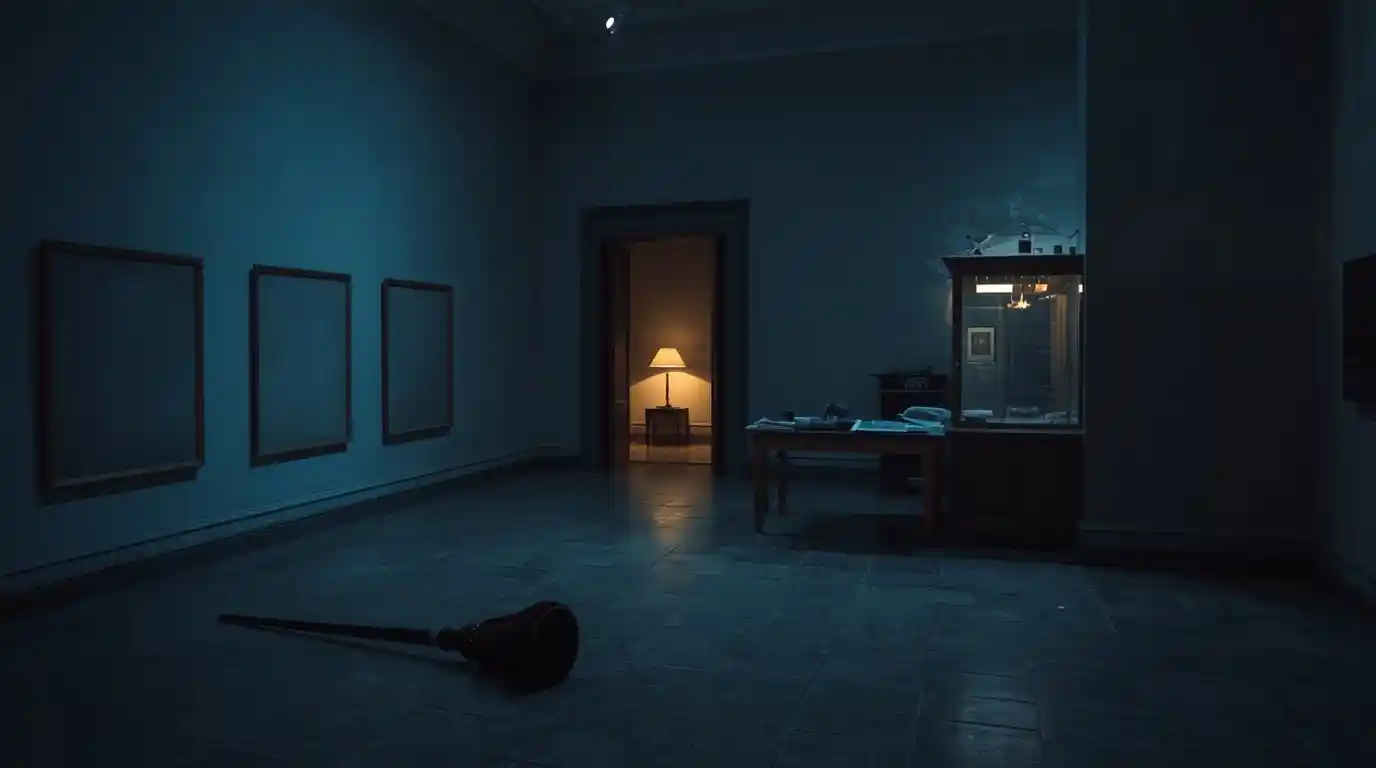
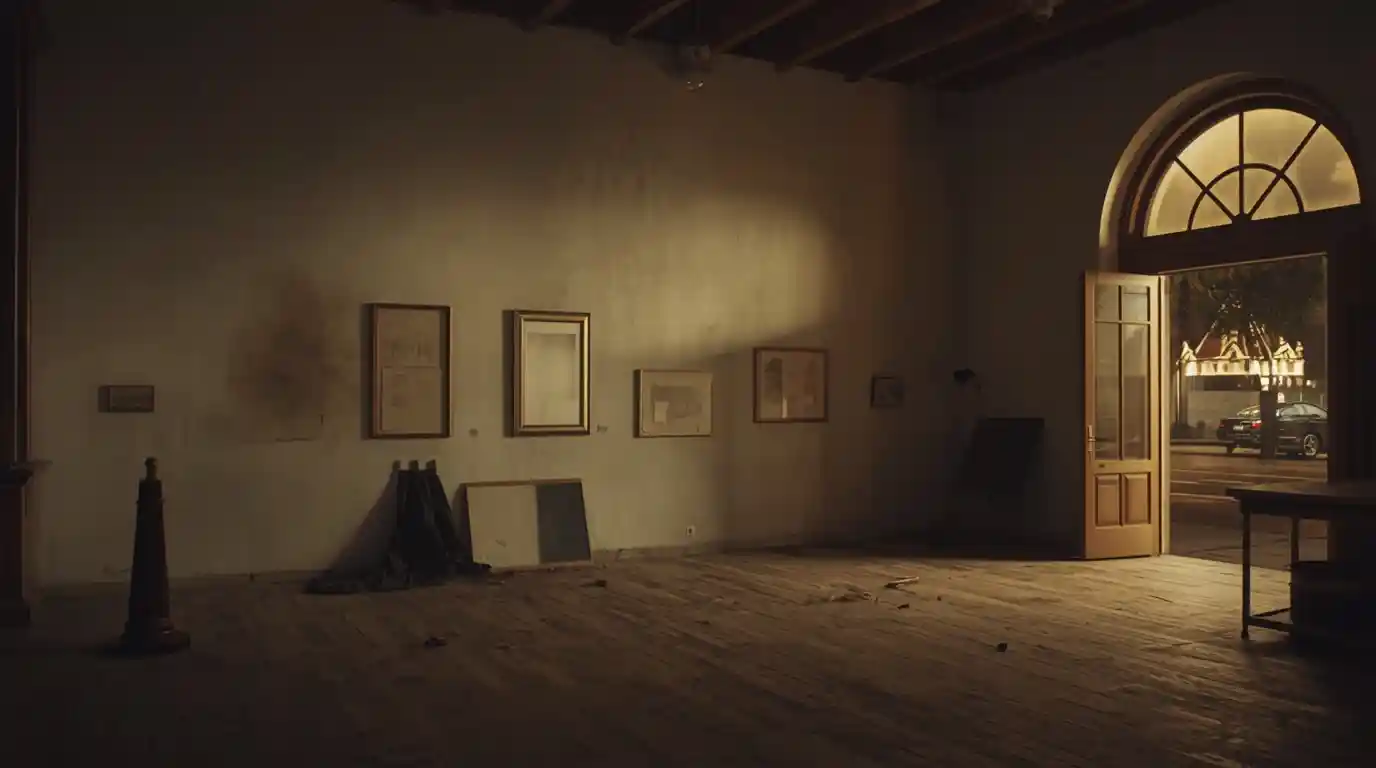
Four Renaissance panels by Antonello da Messina disappeared from a state museum in Sicily late Saturday, and the Sicily museum heist that took them got past the building's alarm and security systems without triggering a response. The works came off the walls of MuMe, the Regional Interdisciplinary Museum of Messina, shortly before 10 p.m. on August 15 — Ferragosto, the holiday that empties Italian cities faster than any other day on the calendar.
Three of the stolen pieces belong to the San Gregorio Polyptych, an altarpiece Antonello painted in 1473. Only five panels of it still exist anywhere in the world. The thieves took three. The fourth stolen work is a double-sided panel showing the Virgin Mary on one face and the dead Christ in Pietà on the other, and according to the Associated Press it was removed from an armored display case.
Here is the detail that lands hardest for anyone who knows the collection: these panels have already survived one catastrophe. The 1908 earthquake that leveled Messina destroyed the convent complex the altarpiece belonged to, and rain reached the exposed paint afterward. Large sections of the Madonna's mantle and of St. Gregory were lost permanently. Restorers began piecing the survivors back together in 1912 and were still working on them as recently as 2006.
How the Sicily Museum Heist Unfolded
Investigators from the Carabinieri, Italy's national police force, sealed the building and gathered evidence on Sunday while the museum stayed shut. Officials have not said publicly how the alarms were defeated or how many people were involved, and no arrests have been announced. What is confirmed is the timing, the method, and the target selection — all three point at people who did some homework.
A National Holiday, a Nearly Empty City
Ferragosto is not a normal Saturday. Shops close, families leave for the coast, and staffing across Italian institutions runs thin. A break-in just before 10 p.m. on that particular date buys a thief the quietest streets of the Italian year. It is the same logic behind holiday-weekend burglaries in the US, scaled up to a national shutdown.
An Armored Case That Didn't Hold
The double-sided Madonna panel was not simply hanging on a wall. It sat inside a reinforced case, which means the intruders arrived expecting to open one and had the time and tools to do it. That is a meaningfully different profile from a grab-and-run job, and it narrows the pool of likely suspects considerably.
What Officials Are Saying
MuMe director Marisa Mercurio called the loss devastating and said the pieces were among Antonello's most important and best-known works, describing the theft as a blow to the museum, the city, the community and the art world. Culture Minister Alessandro Giuli expressed dismay and regret. Messina Mayor Federico Basile called it a heinous criminal act and said the city would not let its history be stolen.

Can Anyone Actually Sell a Stolen Antonello?
This is where the math turns against the thieves. Antonello da Messina left behind a small, exhaustively catalogued body of work. Every legitimate dealer, auction house and museum registrar on earth will know these panels are missing within days, and the Carabinieri art squad — running since 1969, with more than three million recovered items behind it — feeds directly into the international stolen-art databases.
Stealing an Antonello may be far easier than selling one. If these are ordinary thieves, they will soon discover that — to their cost.
That assessment came from Lynda Albertson of the Association for Research into Crimes against Art. The likeliest outcomes are a ransom demand, use as collateral in a criminal transaction, or a panicked abandonment. The worst case is damage: tempera on wood panel, more than 550 years old, is fragile in ways a thief's car trunk does not respect.
The Parma Case Is the Useful Comparison
In March, thieves needed roughly three minutes to take a Renoir, a Cézanne and a Matisse from the Magnani-Rocca Foundation near Parma. Those works, worth around $11.5 million, were recovered by Italian police — and the recovery was announced only days before the Messina break-in. Italy's clearance record on high-profile art theft is genuinely strong, which is the main reason to expect these panels to resurface.
For perspective on value: Italy paid $14.9 million at a New York auction in March for Antonello's Ecce Homo, and CBS News reports that a Madonna and Child attributed to him sold for more than $300,000 at Christie's back in 2003. The stolen panels are not comparable market goods, though — they are inalienable state property, which means they can never legally change hands at all.
Watch for two things over the coming weeks. First, whether the Carabinieri release images and dimensions to the international databases, which is the trigger that freezes the works out of the legitimate market worldwide. Second, whether Italy's culture ministry orders a security audit of its regional museums — Messina is one of dozens of state institutions guarding first-rank Renaissance material on modest budgets, and this heist just proved what that costs.


Comments 0