

Three US Executions in Eight Hours, a First Since 2010
Oklahoma, Tennessee and Alabama each carried out a death sentence on Thursday — the first time three states have done so on a single day since January 2010.

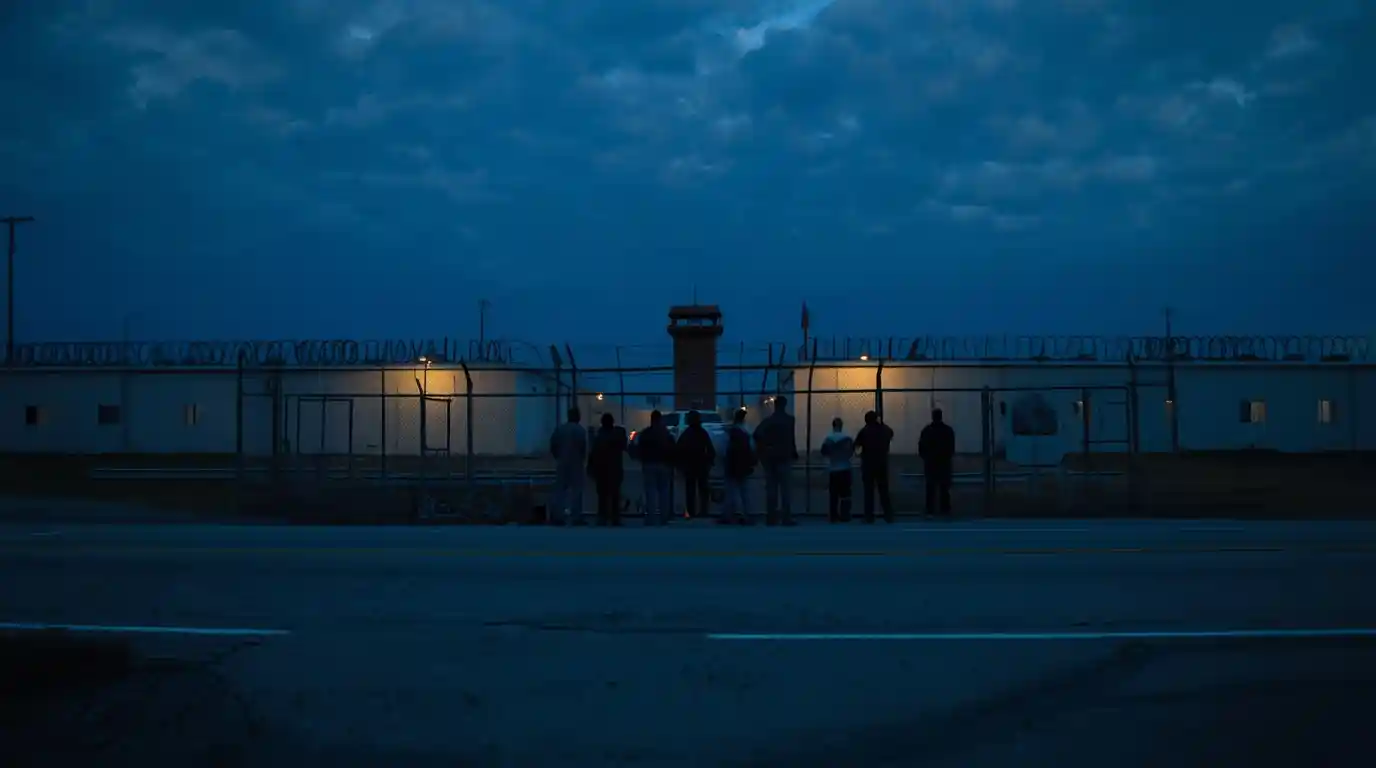
Three US executions were carried out within roughly eight hours on Thursday, in three states that never once compared calendars. Oklahoma pronounced Carlos Cuesta-Rodriguez dead at 10:13 a.m. Central. Half an hour later, Tennessee pronounced Anthony Darrell Hines dead at 10:43. That evening, at 6:16, Alabama put Jeremy Williams to death. All three died by lethal injection.
The last time this happened was January 7, 2010, when Louisiana, Ohio and Texas each carried out a death sentence on the same date. The sixteen-year gap says less about a sudden change in policy than about simple arithmetic. More death warrants are being signed, decades-old appeals are running out, and once enough dates crowd the calendar, collisions stop being remarkable.
If you assumed capital punishment was quietly fading in America, Thursday is a correction. Executions hit a 25-year low in 2016. They have climbed hard since. Thursday's three pushed the 2026 national total to 22, with close to a dozen more dates already scheduled before the year ends.
Who Died Thursday, and for What
The three cases had almost nothing in common except the date they shared. They span 36 years of American crime, three victims with nothing linking them, and three very different men at the end of very different legal roads. One fought for decades. One said almost nothing. One asked the state to kill him.
Oklahoma: a 2003 shooting in Oklahoma City
Cuesta-Rodriguez, 70, was condemned for the 2003 murder of his girlfriend, Olimpia Fisher, 43. Prosecutors said he shot her in both eyes and waited about eight minutes between the shots while she screamed. He declined to give a formal final statement. Instead he mouthed "I love you" to relatives watching from the witness room.
Tennessee: a motel housekeeper killed in 1985
Hines, 66, was sentenced for stabbing Catherine Jean Jenkins, a 54-year-old motel maid, in Kingston Springs, Tennessee, in 1985. His case outlasted four decades of appeals — longer than some people in the room had been alive. Asked if he wanted to speak, he replied, "not right now, thank you," then added, "Tell my son hello."
Alabama: a 5-year-old and $2,500
Williams, 42, raped and strangled 5-year-old Kamarie Holland in 2021 after paying her mother $2,500, prosecutors said, and he filmed part of the attack. The child was taken from a home in Phenix City, Alabama. Her mother, Kristy Siple, pleaded guilty to sex trafficking in March 2024 and is serving a 20-year sentence.
Why Three US Executions Happened in One Day
No federal office schedules any of this. State courts or governors set the dates, and prison systems build around staffing, drug supply and court deadlines. Thursday's pileup was coincidence, not coordination or message-sending. What made it likely is volume: the more warrants states issue, the more often two or three land on the same square of the calendar.
Method matters too. Alabama pioneered nitrogen gas, but a federal judge ruled the method unconstitutional in June and a scheduled nitrogen execution was put on hold. States that had been experimenting have leaned back on lethal injection, which is what all three used Thursday. The legal fight over gas is far from settled.
The Alabama Man Who Asked to Be Executed
Williams pleaded guilty and requested a death sentence. Alabama law would not simply hand it to him — a jury still sat through three days of evidence before convicting him on every capital count, and a judge imposed the sentence in 2024. Russell County Sheriff Heath Taylor said Williams wanted it fast: "He didn't want to look over his shoulder for 30 years."
The unspeakable nature of this crime is exactly why we have the death penalty statute. — Alabama Gov. Kay Ivey
District Attorney Richard Chancey was blunter about the child: "That baby didn't die in peace." Local news outlets reported that Kamarie's father was barred from witnessing the execution — a reminder that even families on the winning side of a capital case rarely get the ending they had pictured for years.
What the 2026 Numbers Actually Show
Twenty-two people have been executed nationally this year. In 2025, 11 states put 47 people to death, the most since 2009, and Florida alone accounted for 19 of them. Set that against 2016's quarter-century low and the trend is unmistakable. But it did not spread back across the country — it intensified inside a small cluster of states.
That is the practical takeaway for anyone tracking this. The American death penalty now behaves like regional policy, not national policy. Thursday's three US executions came from three states in that cluster, and the roughly two dozen states without an active death chamber were, as usual, spectators.
What to Watch in the Coming Weeks
With nearly a dozen dates left in 2026, another same-day cluster before December is entirely possible. Watch the appeals over nitrogen gas, because that ruling decides whether states with thin drug supplies can keep their schedules. Watch Florida, which sets the national pace. And watch clemency petitions — rarely granted, but the only thing that stops a warrant late. State corrections departments post upcoming dates publicly, and the Death Penalty Information Center keeps a running count; both are worth a look before the next execution headline arrives.



Comments 0