

Why Meta Glasses Videos Survived Instagram's Crackdown
Instagram announced a ban on harassing smart-glasses content in July; a month later the clips, the accounts and the sponsorship money are all still there.

A month after Instagram promised to take down harassing Meta glasses videos, the genre is still running. Business Insider went looking in August and found dozens of clips that appear to break the rule Instagram announced in late July — men wearing camera glasses, walking up to women who have no idea they are being filmed, and posting the footage to an audience that rewards it.
The promise came from Instagram head Adam Mosseri, who answered a question on his own Instagram story in July and said the platform would start pulling this kind of content. Meta backed the words with visible action: two of the biggest pickup-artist accounts were deactivated, each with more than a million followers, and Meta confirmed the removals fell under its harassment rules.
Then the story went quiet, and the clips came back. That matters beyond one content genre, because these glasses are no longer niche. Meta held 69.2% of the smart-glasses market in the first quarter of 2026, according to IDC data cited by Fortune, in a category that shipped roughly 2.25 million units — up 167% in a year. Frames start at $299 and come in 26 styles.
What Instagram Said It Would Do
Mosseri's statement was specific enough to be testable, which is rare for a platform policy announcement. He named the exact format that had been going viral rather than gesturing at "harmful content" in general.
If you're posting content that is taking advantage of people and harassing them, like a lot of these pickup line kind of videos that we've heard of and seen, then we're going to take the content down.
Meta's formal line was narrower. The company said it removes accounts and content that break its policies once it becomes aware of them. That last clause is doing most of the work, and it explains almost everything that happened next.
Why Meta Glasses Videos Keep Slipping Through
Independent reporting found the leak within days, not weeks. Oligarch Watch, writing on July 28, said hundreds of these clips were still live shortly after the announcement, including footage of a 17-year-old that came down only after the outlet contacted Meta for comment. Three things are keeping the supply steady.
The clips don't look like harassment to software
Automated systems flag nudity, gore and slurs well. A 25-second video of a polite-sounding conversation on a sidewalk trips none of those wires. The harm lives in what the camera is doing, not in what the audio says, and no classifier can see whether the woman on screen agreed to appear. That pushes enforcement onto human reviewers and user reports.
Accounts refill the shelf faster than bans land
Banning two big accounts removes two distribution points, not the genre. Oligarch Watch noted a creator posting as "dkdanny" with 571,000 followers still operating, alongside other accounts in the same lane. Clips also get mirrored by reaction and compilation pages, so the original can vanish while the footage keeps circulating under a different handle.
Nobody touched the money
This is the part the announcement skipped. Oligarch Watch reported that creators in this niche carry sponsorships from online gambling brands including Shuffle, Rainbet, PackDraw and Stake. A content ban that leaves the sponsorship pipeline intact just raises the cost of getting caught. The incentive to keep filming survives the enforcement.
Can You Tell When the Camera Is Rolling?
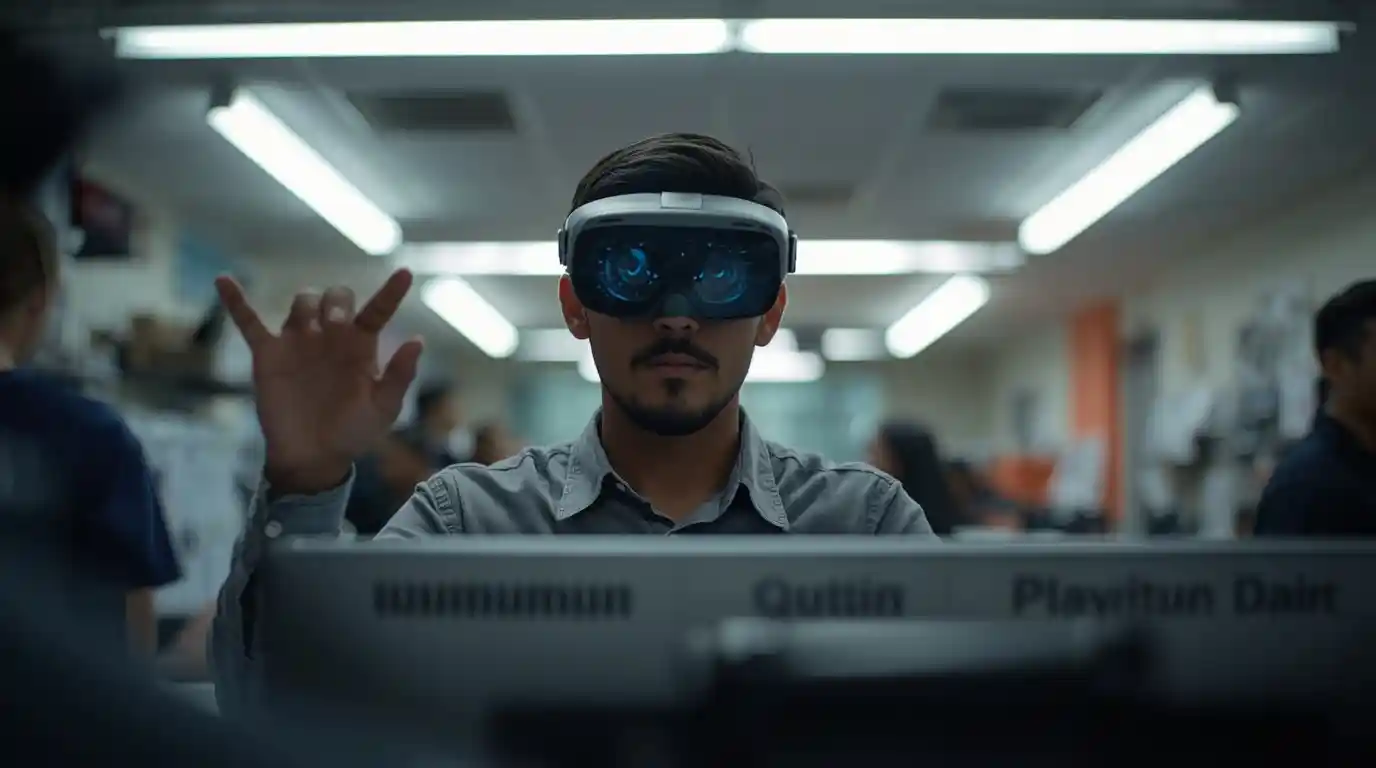
Meta's answer is a white LED that flashes when the glasses capture photos or video. It cannot be switched off, and newer frames include tamper detection that disables the camera if the light is blocked or destroyed. On paper that's a reasonable safeguard.
In practice, a small light on the rim of someone's sunglasses is easy to miss in daylight, on a moving train, or in a bar. With older models, people simply taped or drilled over the indicator. The signal exists, but it asks a stranger to notice a blinking dot on a face they are already looking away from.
The Part Regulators Are Already Circling
Filming strangers in public is broadly legal across the US, which is exactly why this lands on Meta's desk rather than a police department's. Pressure is building elsewhere. In April, 75 civil liberties organizations urged Meta to abandon facial-recognition plans for the glasses, and in the UK, events company Monopoly Events banned them from its Comic-Con shows outright. The nickname that stuck to the product this summer — "pervert glasses" — is a branding problem no policy update fixes.
The signal to watch is whether Meta publishes enforcement numbers or extends the rule to monetization and sponsorships. Until then, the practical move for readers is unglamorous: reporting works better than expecting detection to. The clearest removals so far followed a direct complaint or a press inquiry, not an algorithm. If you spot yourself or someone you know in one of these clips, report the post and the account, screenshot it first, and say plainly that the person filmed did not consent.

Comments 0