

Your Job Interview Dress Code Is Now a Guessing Game
Australian offices have gone casual — but candidates are still judged on the first ten seconds, and almost no job ad tells them what to wear.

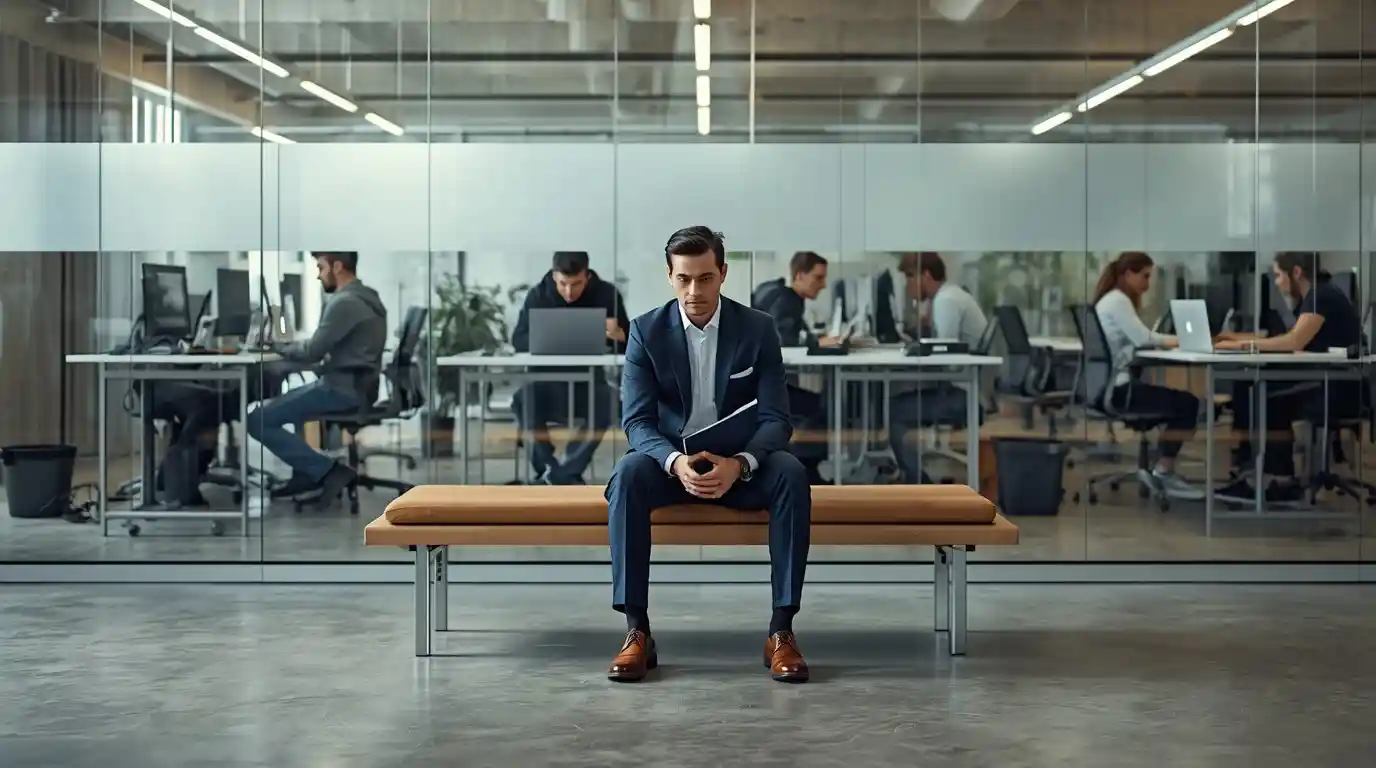
The job interview dress code used to be simple: wear the good suit, keep the tie dull, and hope nobody studied your shoes too closely. That rule has quietly fallen apart. The Associated Press reported this month on candidates who turn up polished and meet an interviewer wearing a hoodie, and on others who dressed down to match the vibe and never heard back.
Australian figures show the confusion is earned. Indeed Hiring Lab found that in the June quarter of 2025, just 0.41 per cent of job ads here mentioned a relaxed dress standard — phrases like "casual dress" or "dress for your day". That number sounds trivial until you see which industries are saying it. Insurance led the country at 11.6 per cent of postings, ahead of legal on 3.6 per cent and accounting on 2.9 per cent.
So the sectors that practically invented the corporate uniform are now the loudest about not needing one. Add the Australian Bureau of Statistics figure that 36 per cent of employed people usually worked from home as of August 2025, and you get a country where nobody agrees on what "professional" looks like anymore. You still get about ten seconds to guess correctly.
Why the Old Advice Stopped Working
Dress standards loosened because offices emptied. Indeed's analysis found casual-dress mentions were 3.2 times more common in occupations that can largely be done remotely than in roles with middling remote potential. Geography shifted too: the ACT topped the states and territories at 0.9 per cent of postings, New South Wales and Queensland sat at 0.5 per cent, and the Northern Territory recorded none at all.
None of that is going backwards. Under a Victorian government plan flagged to start in September 2026, eligible employees whose work can reasonably be done from home would gain a right to two days a week away from the office. Fewer commutes means fewer occasions to dress for strangers, which means the office wardrobe keeps drifting — and job ads keep saying nothing useful about it.
How to Decode a Job Interview Dress Code
You can't ask the internet what a specific company expects, because the answer is company-specific. But you can gather evidence in about fifteen minutes, and the people quoted by AP largely agree on the method.
Read the Workplace, Not the Job Ad
Careers pages, LinkedIn photos, staff videos and recent event posts will tell you more than any recruitment blurb. Look at what mid-level staff wear on an ordinary Tuesday, not what the executive team wore at the awards night. A Sydney fintech and a Brisbane law firm can post the same salary band and expect completely different outfits.
Ask the Recruiter Outright
Career advisers quoted in the AP piece recommend simply asking the hiring manager or recruiter what people wear. It reads as preparation, not insecurity. Do it in the same email where you confirm the time and the meeting link, and you've removed the single biggest variable from your morning.
Aim One Notch Above the Room
The consistent advice is to dress slightly sharper than the staff you'll be meeting, and to wear something clean, well-fitted and already broken in. A first outing for stiff new shoes or a jacket you haven't sat down in is a distraction you don't need while answering questions about your last role.
What Changes When It's a Video Call
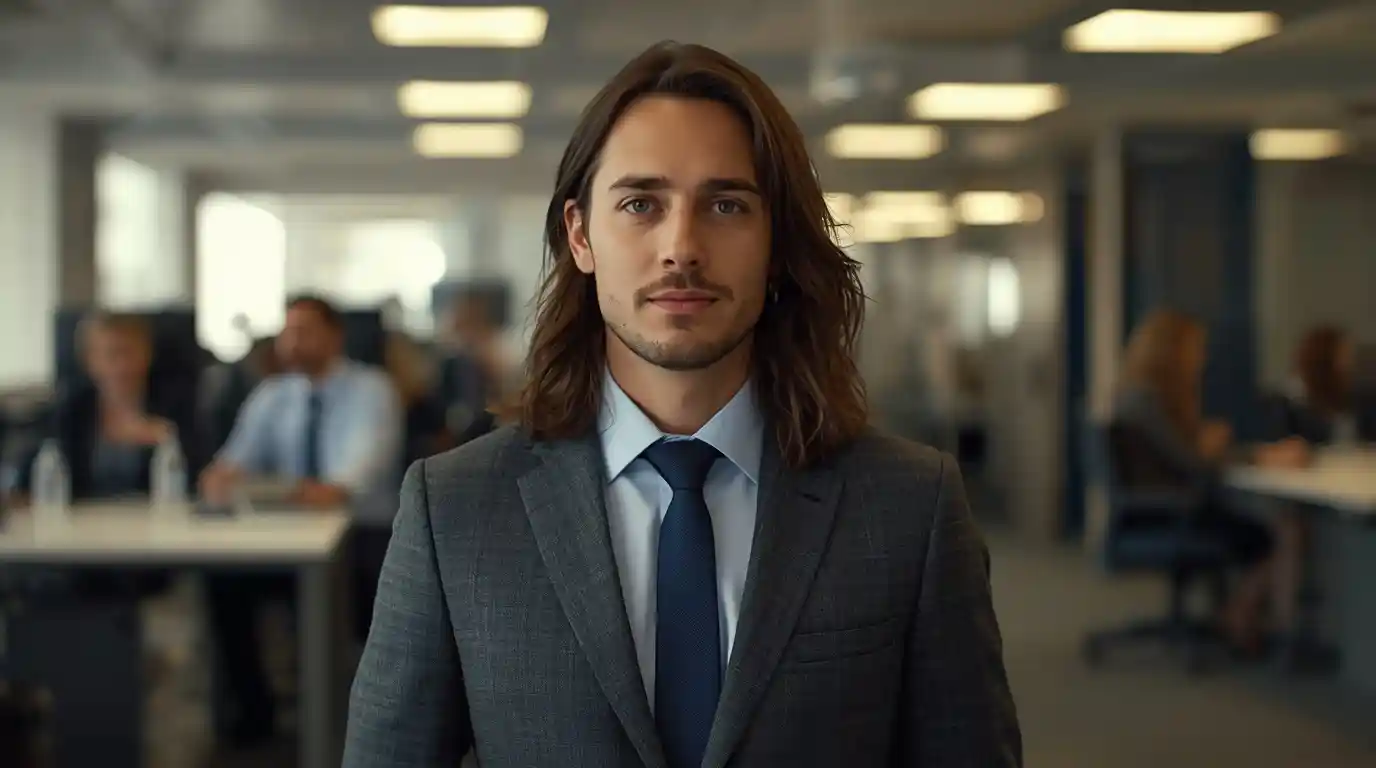
Very little, according to the stylists AP spoke to — treat a screen interview with the same formality as a boardroom. The one adjustment is technical: solid colours read cleanly on camera, while fine stripes and busy patterns can shimmer through compression. Check your framing on the actual platform beforehand, because most webcams crop closer than people expect.
The Standard That Never Actually Relaxed
Here's the part that stings. Interviewers get the benefit of the loosened rules; candidates mostly don't. Molly Tyndale, a 22-year-old job seeker quoted by AP, described the asymmetry bluntly.
If I, as the candidate, had joined in a T-shirt, that would almost certainly be automatic no.
SEEK's own research has found Australian workers aged 18 to 34 are the most likely to feel judged on what they wear at work. That's the same cohort doing the most interviews, in a market where Millennials and Gen Z together make up roughly 58 per cent of the working-age population, on Indeed's numbers.
If a Good Suit Isn't in the Budget
Interview clothing is a real cost, and it lands hardest on people between jobs. In the United States, students at Baldwin Wallace University run a career closet that lends outfits to classmates. Australia has equivalents — Fitted for Work and Dress for Success both supply interview-ready clothing to jobseekers at no charge, and many TAFEs and universities run campus versions.
Before your next interview, spend ten minutes on the company's own photos, then send one line asking what staff wear. If the answer is jeans, wear a shirt with them. If nobody replies, default to the sharper option — being slightly overdressed still reads as effort, while underdressed reads as a decision you made about them.
Comments 0