

210 Gone in Four Weeks: Salzburg's Mozart Figurine Theft
A 270th birthday tribute in Mozart's hometown was stripped bare by thieves two weeks before it was due to close.

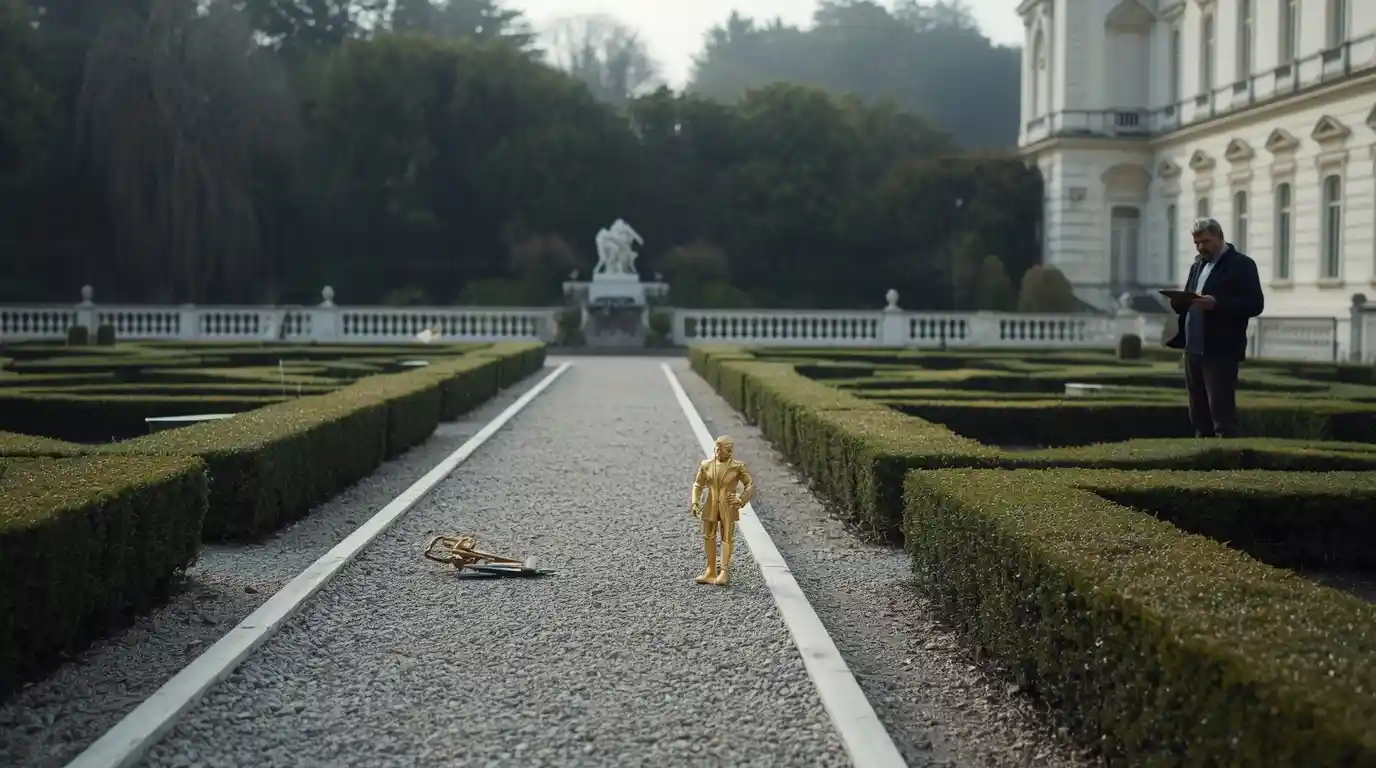
A Mozart figurine theft has ended a birthday tribute in Salzburg two weeks early, after 210 of the 320 gold-colored statuettes put out for the public vanished in roughly four weeks. The Mozarteum Foundation, which organized the project, said the illegal removals had gotten out of hand and closed the outdoor display rather than keep feeding it to whoever was hauling the figures away.
The statues went up on July 15, 2026, to mark 270 years since Wolfgang Amadeus Mozart was born in the city on January 27, 1756. Each one stands under 50 centimeters — about 20 inches — and is molded from gold-tinted polymer. They show the composer not at a keyboard but standing with his dog, Pimperl. They were scattered around public spots including the Mirabell Gardens, free to look at, touch and photograph.
By August 12, two-thirds of them were gone. The run was supposed to last until August 30. If you've ever walked a painted-cow trail or a fiberglass mascot tour in an American downtown, this is the same idea, executed at the same civic scale — and it's a useful case study in what happens when that idea meets people with a tote bag and a plan.
How the Mozart Figurine Theft Unfolded
The losses started fast and then sped up. More than 80 figures had disappeared within the first two weeks, according to reporting on the project. Over the following fortnight, roughly 130 more went — an average of about nine a day. That acceleration is the detail that convinced the artist this wasn't tourists pocketing souvenirs on impulse.
German conceptual artist Ottmar Hörl, who designed the figures, called it organized theft and said the statues were most likely lifted at night, after the gardens had closed to visitors. He also refused to play the wounded victim, telling reporters that anyone who works in public space has to accept what public space does to the work.
"The worst thing for an artist is when his work dissolves," Hörl said.
The Artist Who Builds Sculpture by the Thousand
Hörl, born in 1950 in Nauheim, Germany, has spent decades doing exactly this: casting one figure, replicating it hundreds or thousands of times, and letting a crowd of identical objects take over a square. He calls it democratizing sculpture. The Salzburg piece was meant to show Mozart as an ordinary person rather than a marble genius — hence the dog.
7,000 Hares in a Nuremberg Market Square
His best-known action came in 2003, when 7,000 copies of Albrecht Dürer's famous watercolor hare filled Nuremberg's main market square. It remains the reference point for his method: the individual object is cheap and slightly comic, but 7,000 of them turn a public square into something people travel to see.
700 Smiling Beethovens in Bonn
In May 2019, Hörl set 700 meter-tall Beethoven statues in front of the Beethoven Monument on Münsterplatz in Bonn, ahead of the composer's 2020 anniversary year. That version smiled, which was the joke — a deliberate rebuttal to the scowling Beethoven everyone pictures. It ran about two weeks and closed on schedule.
A Wagner Set That Disappeared in 10 Days
Salzburg isn't the first time. An entire installation of Richard Wagner figures Hörl placed in Bayreuth, Germany, was stolen within 10 days. Seen against that, four weeks and a two-thirds loss rate almost counts as a good run — which says something bleak about the economics of unguarded art.
What 210 Missing Statues Were Actually Worth
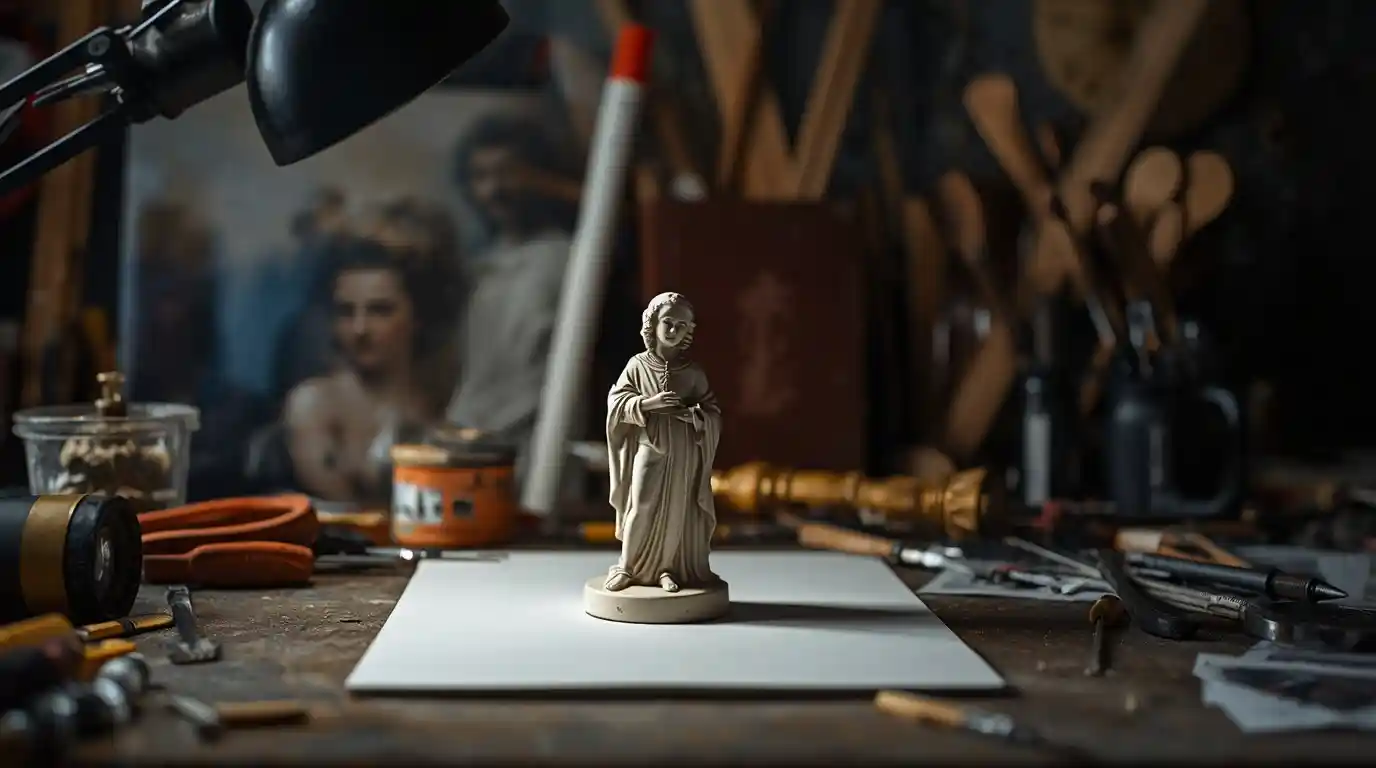
The figures were priced at about 100 euros each, roughly $114 at current rates, and were intended to be sold. That puts the raw value of the Mozart figurine theft at around 21,000 euros, or close to $24,000 — real money, but not the kind of haul that draws a task force. The bigger cost is the one you can't invoice: an anniversary project a foundation planned for years, gone before its closing weekend.
There's a practical wrinkle, too. The Mozarteum Foundation had spares, just not 210 of them, and the manufacturer was shut for summer holidays. So the display couldn't be topped up even if the money existed. The last figures still standing were taken into safekeeping and the public showing was declared over.
Why US Cities Should Take Notes
American towns run this playbook constantly. CowParade brought about 300 decorated fiberglass cows to Chicago's sidewalks in 1999 and spawned imitators in dozens of US cities. Public art also gets stolen here for far uglier reasons — a bronze Jackie Robinson statue was taken from a youth baseball park in Wichita, Kansas, in January 2024 and later found destroyed.
The lesson isn't to stop putting art outside. It's that the logistics are the artwork's life-support: anchoring hardware, overnight patrols during closed hours, an insurance line item, and a stock of replacements sitting in a warehouse, not in a factory that's closed for August. Salzburg had the concept and the crowds. It got caught short on the boring part.
What's Left of the Tribute
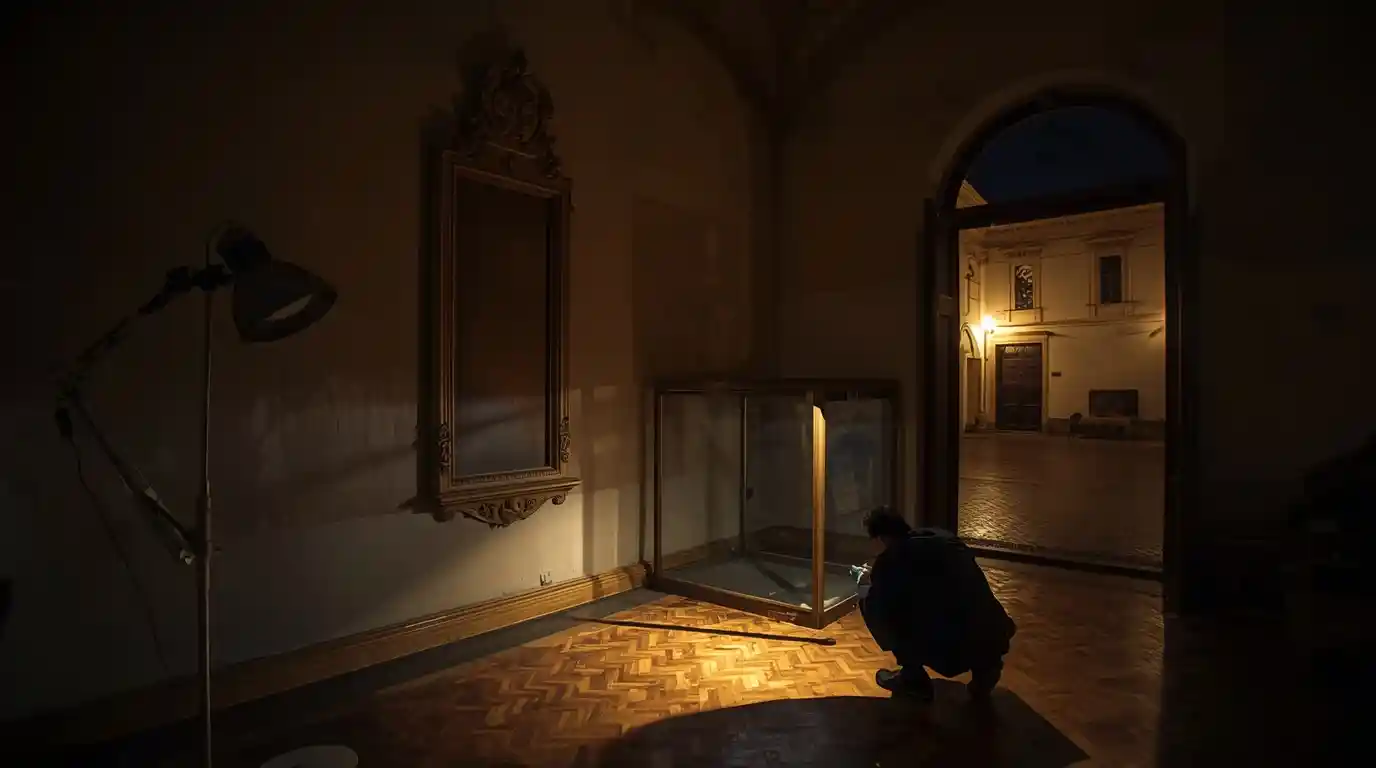
The indoor and museum-side programming around Mozart's 270th year continues; it's the free outdoor swarm that's finished. Whether Austrian police pursue the case is still unclear, and no arrests have been reported. Realistically, the figures will surface one at a time on resale sites and at flea markets over the next year.
If you're traveling to Salzburg this month, don't plan a photo stop around the gold Mozarts — they're down. And if a gold-tinted, foot-and-a-half Mozart with a small dog shows up in an online listing near you, note that these were never sold before the display closed. Buying one isn't a bargain; it's the last step in someone else's night work.

Comments 0