

Thieves Dropped Two Panels Fleeing a Renaissance Art Heist
Three masked men emptied a 1473 altarpiece frame in Messina on Italy's biggest holiday night, then left two of the panels lying outside the gate.

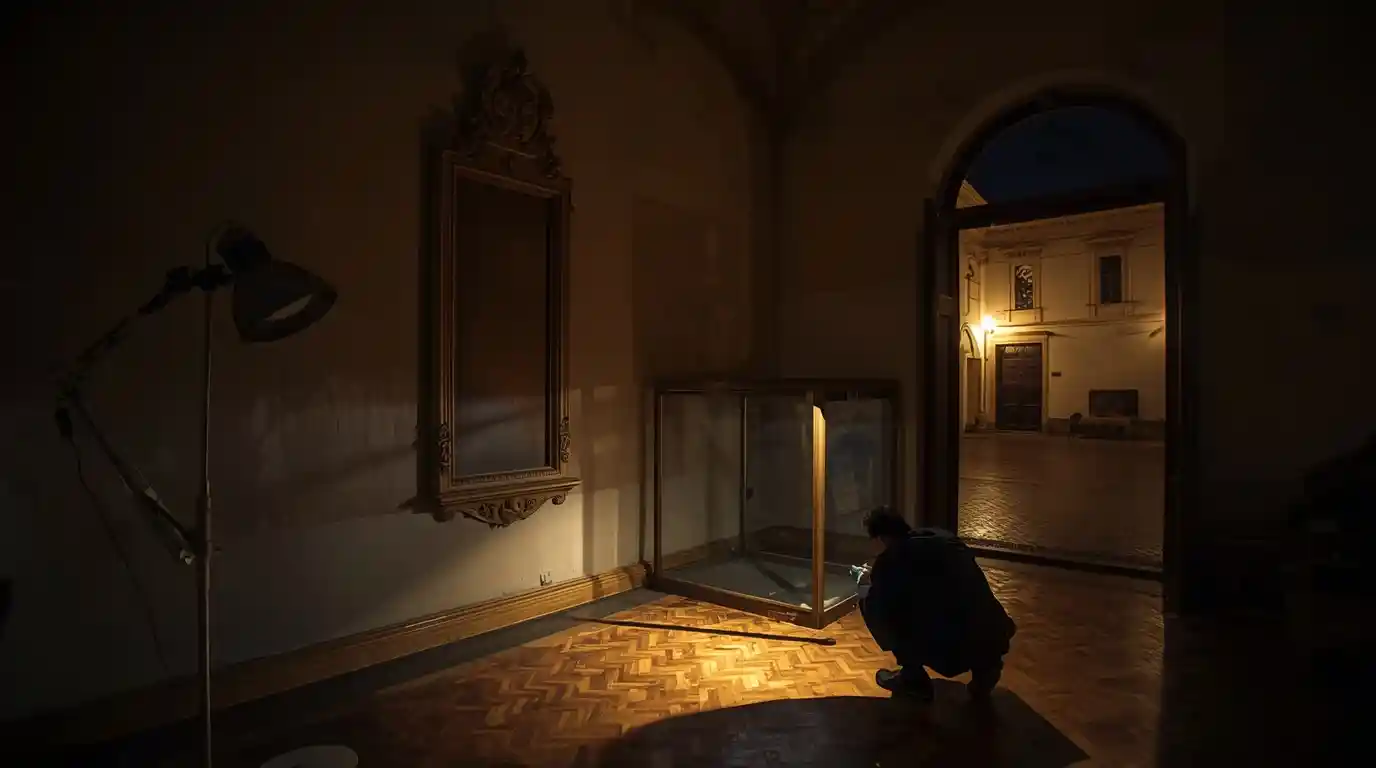
The Renaissance art heist that hit Messina's regional museum in Sicily ended with the crew leaving evidence on the pavement. Three masked men came in through a secondary door on the evening of August 15, stripped a 553-year-old altarpiece out of its frame, cracked an armored display case, then forced a railing near the gate on the way out. Two of the panels never left the property.
Officers found those two — St Gregory and St Benedict — abandoned outside. Four works by Antonello da Messina are still listed as stolen, including three panels of the San Gregorio Polyptych, painted in 1473, and a double-sided devotional painting roughly 16 by 12 centimeters, smaller than a postcard, with the Madonna and Child on one face and Christ in the Pietà on the other. Art market expert Alberto Fiz has put the group at €70 to €80 million, or about $81 to $92 million.
The timing was not an accident. August 15 is Ferragosto, the Feast of the Assumption and the single biggest night of the Italian summer. Messina was celebrating with a procession that ended in prayers in the main Piazza Duomo at roughly the hour the museum was being robbed. Anyone who could look was looking somewhere else.
How Three Masked Men Walked Out With It
The break-in was fast and physical rather than clever. What has rattled Italian officials is not that the museum was defenseless — it wasn't — but that a staffed, alarmed building lost its most famous holdings anyway.
A Side Door on the Busiest Night of the Year
The intruders entered through a secondary door rather than the public entrance, according to Medievalists.net, which pulled together the Italian reporting. The museum, formally the Museo Regionale Interdisciplinare di Messina and known locally as MuMe, sits away from the crowded waterfront churches where the holiday crowds gather. On Ferragosto, most of the city is either at the beach or at the procession.
The Two Panels Left by the Gate
All the surviving panels of the polyptych came out of the frame, but two were dumped outside as the group forced its way past a railing near the gate. That detail tells investigators something useful: this was a grab under time pressure, not a curated shopping list. Professional crews commissioned for a specific buyer rarely drop half the load in the parking lot.
Working Alarms and Four Guards on Duty
Museum director Marisa Mercurio has confirmed the alarms and cameras were functioning and guards were on site. Four were reportedly present. Mercurio called the loss devastating and said the pieces were among Antonello's most important and best-known works. Sicily's regional president, Renato Schifani, described it as a criminal act of exceptional gravity, and Italy's culture minister, Alessandro Giuli, offered the ministry's help.
Why This Renaissance Art Heist Is Hard to Cash In
Here's the part that makes museum thefts so strange as crimes. Roughly 40 paintings by Antonello da Messina survive anywhere in the world. Every one is catalogued, photographed and known to every serious dealer, auction house and customs officer. There is no discreet buyer at the end of this chain, only a very small club of people who would recognize the goods instantly and be legally obligated to report them.
Stealing an Antonello may be far easier than selling one.
That assessment came from art-crime analyst Lynda Albertson, quoted by PBS NewsHour. Stolen masterpieces of this rank usually end up as collateral in criminal deals, bargaining chips in plea negotiations, or in a storage unit for a decade until someone gets careless.
The Painter Most Americans Have Never Heard Of
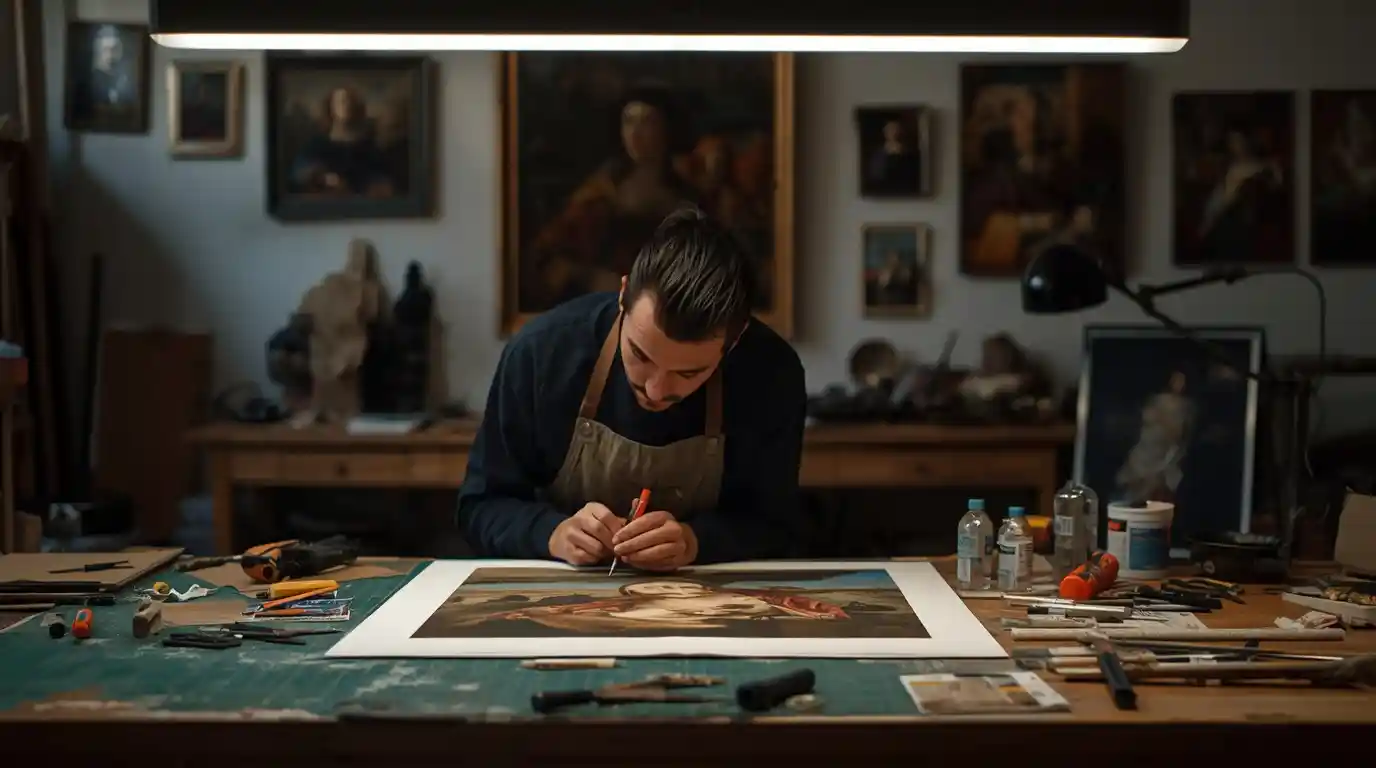
Antonello da Messina, born in Messina around 1430 and dead by 1479, is the artist who welded northern European oil technique onto Italian perspective. He trained in Naples, absorbed Flemish and Provençal painting, and brought that luminous, glassy surface south. His portraits changed what Italian painters thought paint could do.
The market knows exactly what that's worth. In 2025, the Italian government paid about $14.9 million to buy another rare double-sided Antonello panel, an Ecce Homo, before it could reach auction. The San Gregorio Polyptych carried extra weight locally: it is the only major Antonello that had never left Messina. It survived the 1908 earthquake that flattened the city and destroyed the monastery the museum grew out of, sat in the rain afterward, and has been under conservation care since 1912.
Italy Cracked a Similar Case Two Days Earlier
There is a genuine reason for optimism, and it's very recent. On August 14 — the day before the Messina break-in — Italian police announced they had recovered three paintings by Renoir, Cézanne and Matisse worth more than $10 million, taken from the Fondazione Magnani Rocca near Parma in late March in a robbery that lasted under three minutes. Al Jazeera reported the recovery. That case took about five months.
The Carabinieri's cultural heritage protection unit, created in 1969, is the oldest and largest force of its kind. It has logged millions of recovered items and runs the world's biggest stolen-art database. Compare that with the Isabella Stewart Gardner Museum in Boston, where 13 works walked out in March 1990 and none have come back in 36 years despite a $10 million reward. Italy's odds are better, but they are not guaranteed.
What to Watch Over the Next Few Weeks
Prosecutors in Messina have opened a file, forensic teams have worked the scene, and investigators are reviewing camera footage while weighing two theories: a commissioned theft for a private collector, or a grab destined for the illicit market as leverage. The first month matters most, because that's the window before the panels get moved abroad or split up.
If you have a trip to Sicily planned, check MuMe's status before you go — the museum shut its doors while evidence was collected, and reopening timelines after a theft like this move slowly. And if you follow art crime at all, watch the Carabinieri bulletins rather than the headlines. Recoveries in Italy are usually announced there first, quietly, months after everyone else has stopped paying attention.


Comments 0