

A Rabid Bat in Burlington Can Bite Without Leaving a Mark
Halton Region Public Health has confirmed its first rabies-positive bat of 2026, and the reason officials treat every bat encounter as urgent has little to do with visible wounds.

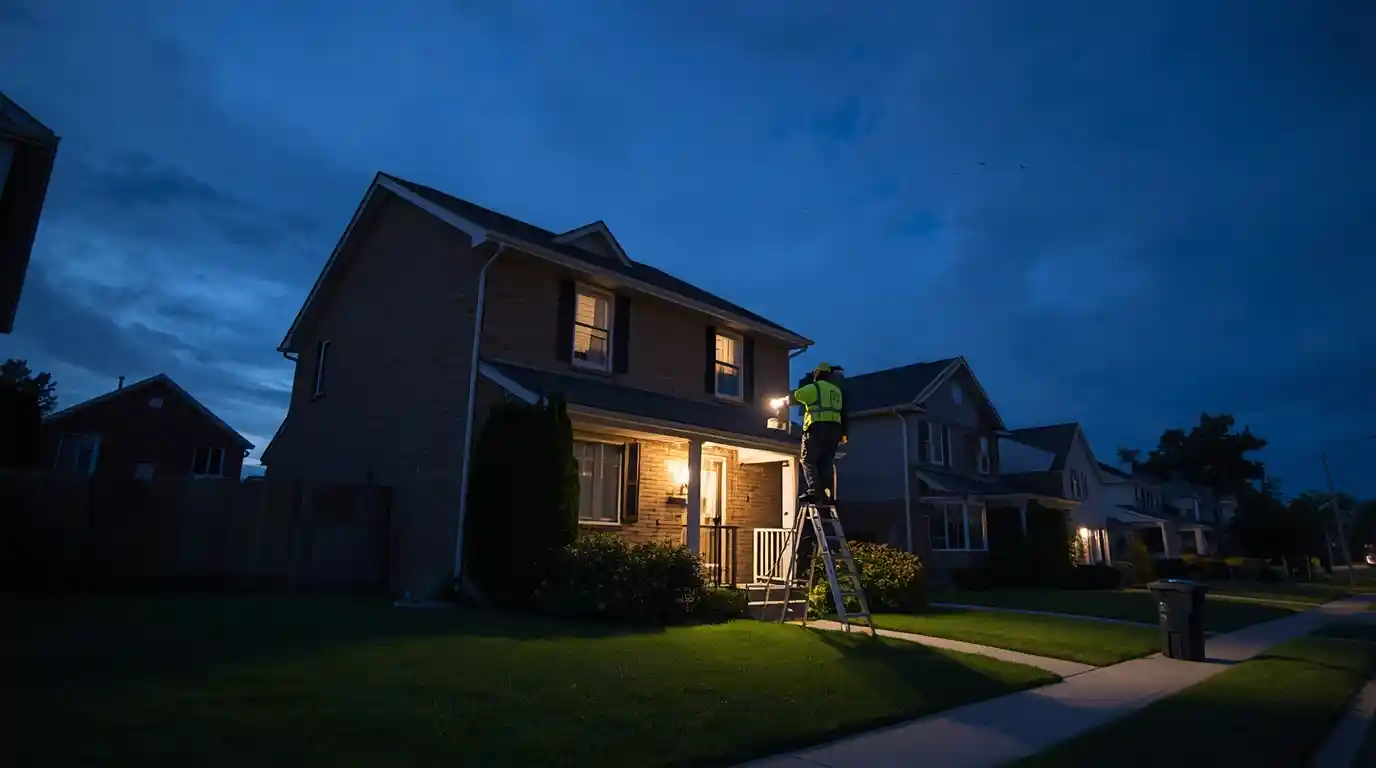
Halton Region Public Health has confirmed a rabid bat in Burlington, the first bat to test positive for the virus anywhere in the region this year. The animal was found on Aug. 11 and the lab result was made public on Aug. 15. The health unit has not named the neighbourhood, and it has not reported any person or pet known to have been exposed.
Here's the part that deserves a second look. Bat teeth are fine as sewing needles. A bat can break skin without leaving a scratch you'd spot in the mirror the next morning, and without causing enough pain to wake a sleeping adult. That single biological fact is why public health advice on bats is far stricter than most people assume, and why "I didn't see a bite" carries almost no weight with a nurse on the phone.
The context matters too. Ontario logged 121 confirmed animal rabies cases in 2025, according to provincial data — 116 of them the bat variant, five the Arctic fox variant. In southern Ontario, bats aren't one carrier among many. They are, in practical terms, the carrier. Halton's case follows rabid bats already confirmed this summer in Hamilton and in Haldimand-Norfolk.
What Halton Public Health Actually Said
The health unit's message was short: don't touch a bat, don't try to move one, and call your local Animal Control Services instead. Residents who are bitten or scratched by any animal are asked to report it to Halton Region Public Health by dialling 311. The unit also asked people to keep pet rabies shots current and to seal gaps that let wildlife into attics, sheds and garages.
Although rabies in bats is rare, bites from rabid bats have caused almost all human cases of rabies in Canada.
Why a Rabid Bat in Burlington Matters More Than It Sounds
One bat in a city of roughly 190,000 people sounds like a rounding error. It isn't, because of how rabies behaves. Once symptoms appear, the disease is effectively always fatal. Before symptoms appear, it is almost always preventable. Treatment is a dose of rabies immune globulin plus a series of vaccine shots, and it works — but only if it starts before the virus reaches the nervous system.
Incubation can run weeks. That gap is a gift and a trap: there's usually time to act, which also means there's time to talk yourself out of acting. In Ontario, rabies vaccine and immune globulin are provided through the public health system when a health unit assesses the exposure as real, so cost shouldn't be what makes anyone hesitate.
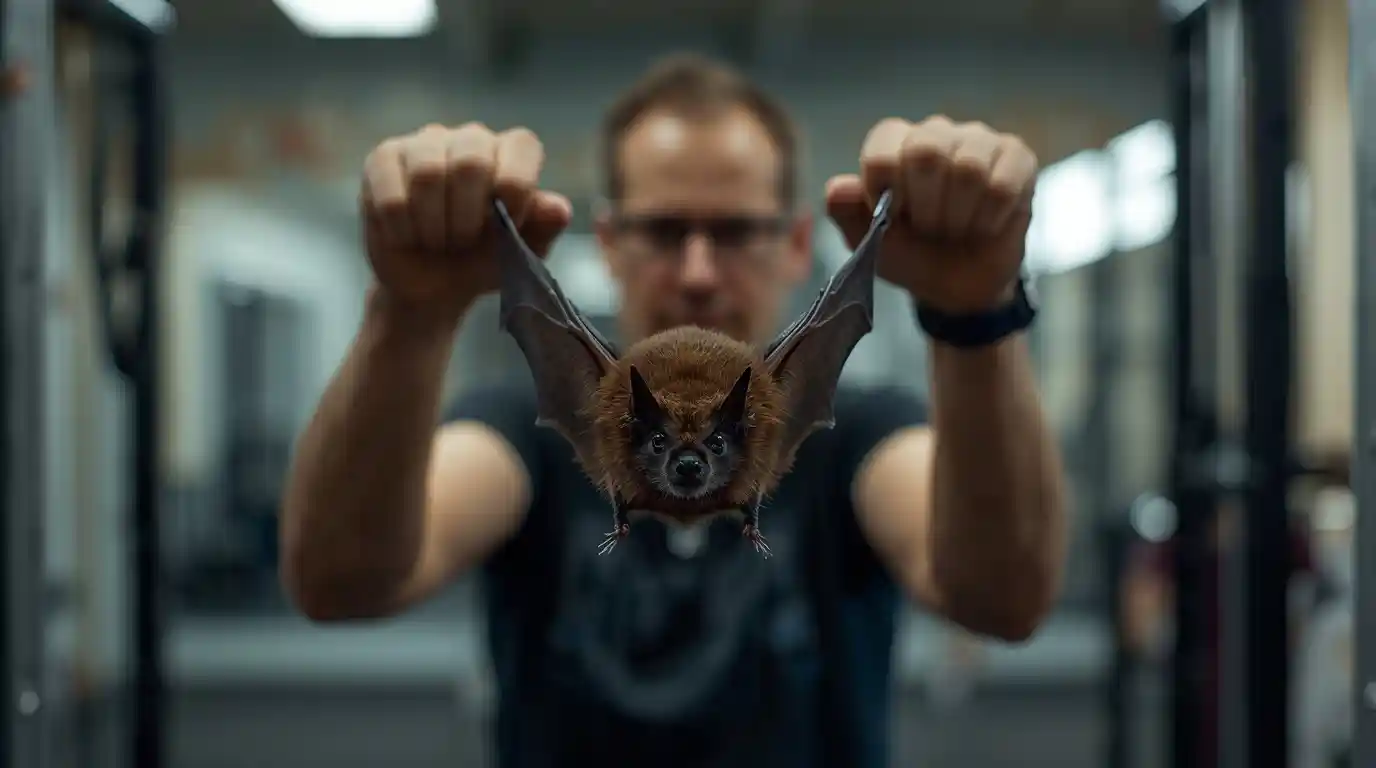
Bats Now Drive Almost All of Ontario's Rabies
The trend line is going the wrong way. The Canadian Food Inspection Agency counted 90 animal rabies cases in Ontario in 2024 — every one of them a bat — which was about 60 per cent higher than the year before. The 2025 total of 121 pushed it higher again. Worth remembering: those figures only count animals someone found, reported and submitted for testing. The real number in the landscape is larger.
What to Do If You Find a Bat Indoors
Most people's instinct is to open a window and shoo it out. That instinct destroys the evidence. If the bat can be safely contained, public health can have it tested, and a negative result ends the whole question in a day or two instead of committing someone to a vaccine series out of caution.
If You Wake Up and a Bat Is in the Room
Treat it as a possible exposure even if you feel nothing and see nothing. The same applies to a bat found in a room with a small child, someone asleep, or a person unable to reliably say what happened. Close the door, keep pets away, and call Animal Control. Then call 311 to speak to public health.
If a Bat Touched You or Your Pet
Wash the area right away with soap and running water for several minutes — that alone reduces risk measurably — then get medical assessment the same day. For a pet, phone your vet with the vaccination record in hand. An unvaccinated dog or cat that tangles with a bat faces a much harder set of options.
How to Keep Bats Out in the First Place
Late summer is peak season, because this year's pups are learning to fly and blundering into places adults avoid. Check screens, chimney caps, soffits and the gap where the attic vent meets the roof. A bat needs an opening roughly the width of your thumb.
The Case That Changed How Doctors Talk About Bats
In 2024, a child from the Brantford-Brant area died of rabies — Ontario's first domestically acquired human case since 1967. The boy had woken at a cottage in northern Ontario with a bat on his face and swatted it away. There were no visible wounds, the bat didn't seem to be behaving strangely, and his family didn't seek medical care. Officials traced the exposure to the Temiskaming region, roughly 19 days before symptoms began.
Ontario has since had more scares. CBC reported that a child in Brantford picked up a rabid bat and handed it to a daycare worker; the facility closed while public health investigated, treatment was recommended for the children there, and it later reopened. Nobody died. That's what a fast response buys.
If a bat has been in your home in the past few days — even one you already let out — call 311 and describe exactly what happened. Don't wait for a symptom, because by then the window has closed. And watch Halton Region's updates through September: with pup season running into the fall, this Burlington bat is unlikely to be the region's last positive test of 2026.




Comments 0