

Kids Aged 5 to 9 Are a Peak Group for Lyme Disease in Canada
Canada logged a record 5,239 Lyme cases in 2024, and young children sit at one of the two peaks — here's what actually protects them.

Lyme disease in Canada set a record in 2024, with a preliminary 5,239 human cases reported to the Public Health Agency of Canada — the highest single-year total since the illness became nationally notifiable in 2009. Two years before that, the count was 2,525. That isn't a blip. It's roughly a doubling in 24 months, on top of a curve that has been bending upward for more than a decade.
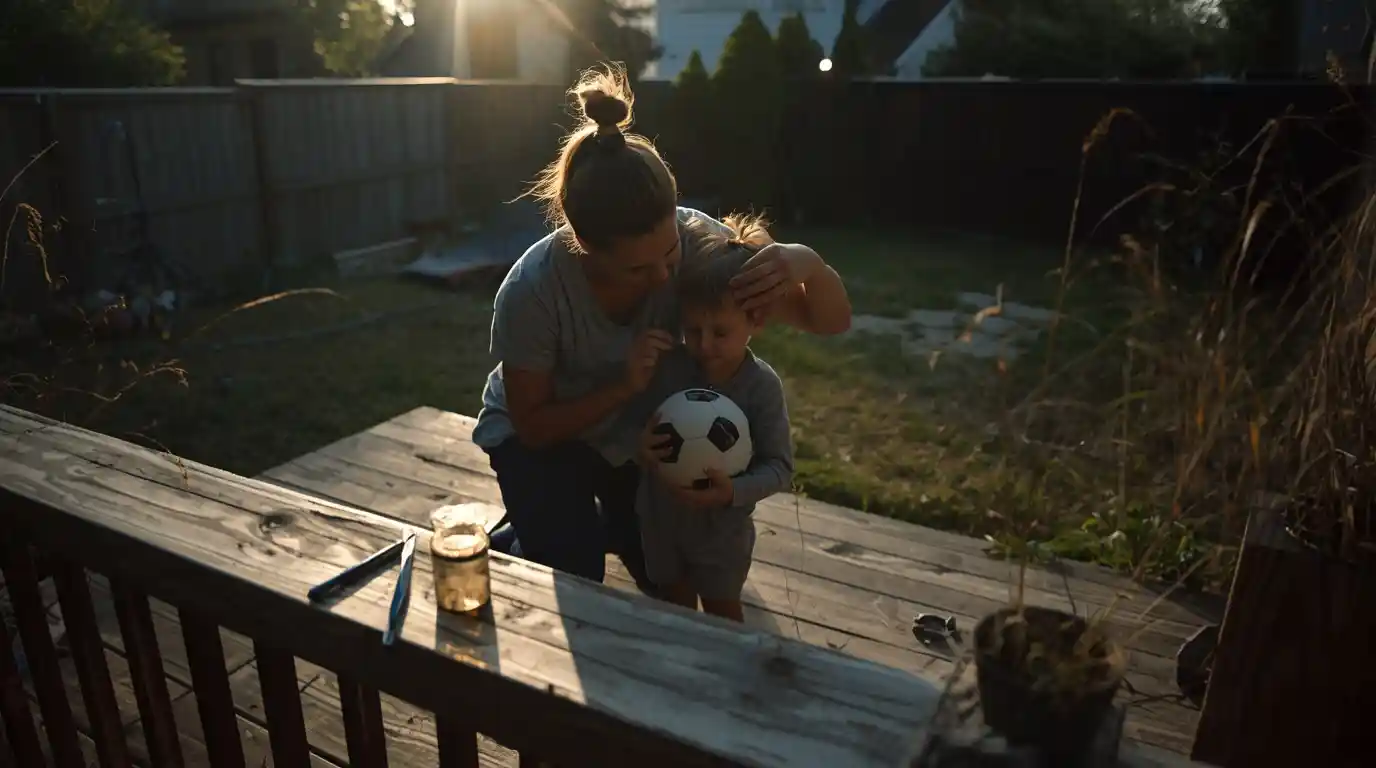
Here's the part that should get a parent's attention. The Canadian Paediatric Society places peak incidence in two age bands: children five to nine years old, and adults in their late fifties. Kids in that younger group aren't more biologically vulnerable. They're closer to the ground, in long grass, in shorts, and far less likely to notice something the size of a poppy seed tucked behind a knee.
The national rate reached 14.1 cases per 100,000 people in 2024, up from 11.9 the year before. In 2009 it was 0.4. One honest caveat worth keeping in mind: PHAC revised its national surveillance case definition in 2024, so part of the jump reflects how cases are counted, not only how many ticks are out there. Nobody working in this field, though, thinks the underlying direction has changed.
Why Lyme Disease in Canada Keeps Climbing
Only one group of ticks here carries the bacterium — blacklegged ticks, meaning Ixodes scapularis in central and eastern Canada and Ixodes pacificus in British Columbia. Their range keeps creeping north because winters keep failing to kill them off. Ontario's public health mapping now shows established populations as far north as Thunder Bay and Kenora, through the Ottawa Valley, and around Owen Sound on Lake Huron.
Ontario alone logged 2,350 confirmed or probable cases in 2024. Nova Scotia has carried the highest per-capita rate in the country since reporting began. And Lyme is no longer the only thing being tracked: in 2024 PHAC stood up a broader Tick-Borne Disease Surveillance System that also covers anaplasmosis, babesiosis and Powassan virus disease — three names most Canadian parents have never heard.
What a Tick Bite Actually Looks Like on a Child
Most people are infected by nymphs, the immature stage, which really is about the size of a poppy seed. The rash that follows, erythema migrans, is the most common first sign in both kids and adults. It usually shows up 7 to 14 days after the bite — the full window runs 3 to 30 days — measures more than 5 cm across, and is typically flat rather than raised.
Forget the tidy bullseye from stock photos. Plenty of these rashes are a solid, spreading red patch with no ring at all. And about one in five children skip the rash stage entirely, turning up instead with a swollen large joint such as a knee weeks or months later, or one-sided facial droop from nerve palsy. If your child has an unexplained swollen knee after a summer spent outdoors in a risk area, say the word "tick" to the doctor yourself.

The 24-Hour Window That Matters Most
In most cases, an infected tick has to stay attached and feeding for at least 24 hours before it can pass the bacterium along. That single fact is why a nightly check beats almost every other precaution — you don't need to spot the tick immediately, you need to find it before tomorrow night.
How to Get It Off Without Making Things Worse
Use clean, fine-tipped tweezers. Grip the tick as close to the skin as you can, at the head, and pull outward in one steady straight motion. Don't twist or wiggle, which can tear the mouthparts off and leave them lodged. Don't squeeze the body — that can push the tick's fluids into the bite. Skip the folk remedies entirely.
When a Single Preventive Dose Is on the Table
The Canadian Paediatric Society supports a single preventive dose of doxycycline (200 mg, or 4.4 mg/kg for a child) given within 72 hours of removing an engorged tick in an area where Lyme is established. It is not recommended if the tick was attached for less than 36 hours. Your doctor weighs the tick species, how swollen it was, and where you were.
What Treatment Looks Like If It Is Lyme
For the classic rash, the standard course is doxycycline at 4 to 4.4 mg/kg daily for 10 days, with amoxicillin or cefuroxime as alternatives. Lyme arthritis gets 28 days of oral therapy. Notably, the old blanket ban on doxycycline for children under eight has softened — short courses are now considered acceptable and effective.
What to Make of "Chronic Lyme"
Between 10 and 20 per cent of treated patients have symptoms that linger beyond six months — fatigue, aches, brain fog — a pattern clinicians call post-treatment Lyme disease syndrome. It is real. What the evidence does not support is months of additional antibiotics, which studies have repeatedly shown deliver no lasting improvement while carrying genuine risk. Supportive care and a doctor who takes the symptoms seriously do more.
The Five-Minute Habit Worth Keeping Until Frost
Make the tick check part of the bedtime routine, the way you'd check for a fever. Scalp and hairline, behind and inside the ears, armpits, belly button, waistband, groin, backs of the knees. Tossing outdoor clothes in a hot dryer for a cycle kills anything hitching a ride. Several provinces run free photo-based tick identification services if you want to know what you pulled off.
Ticks stay active well past Labour Day — anywhere the ground isn't frozen, they can feed. Save a photo of anything you remove, note the date and the place you were, and watch that spot for 30 days. If a spreading patch appears, or your child runs a fever, headache or stiff joints in the weeks after, call your provider and lead with the bite. Early treatment is where this disease is won.



Comments 0