

Onion Skins Season a $140 Zero-Waste Tasting Menu
At Cynthia, a thirty-seat room on Jones Street, the peels, stems and husks other kitchens bin are the reason dinner tastes the way it does.

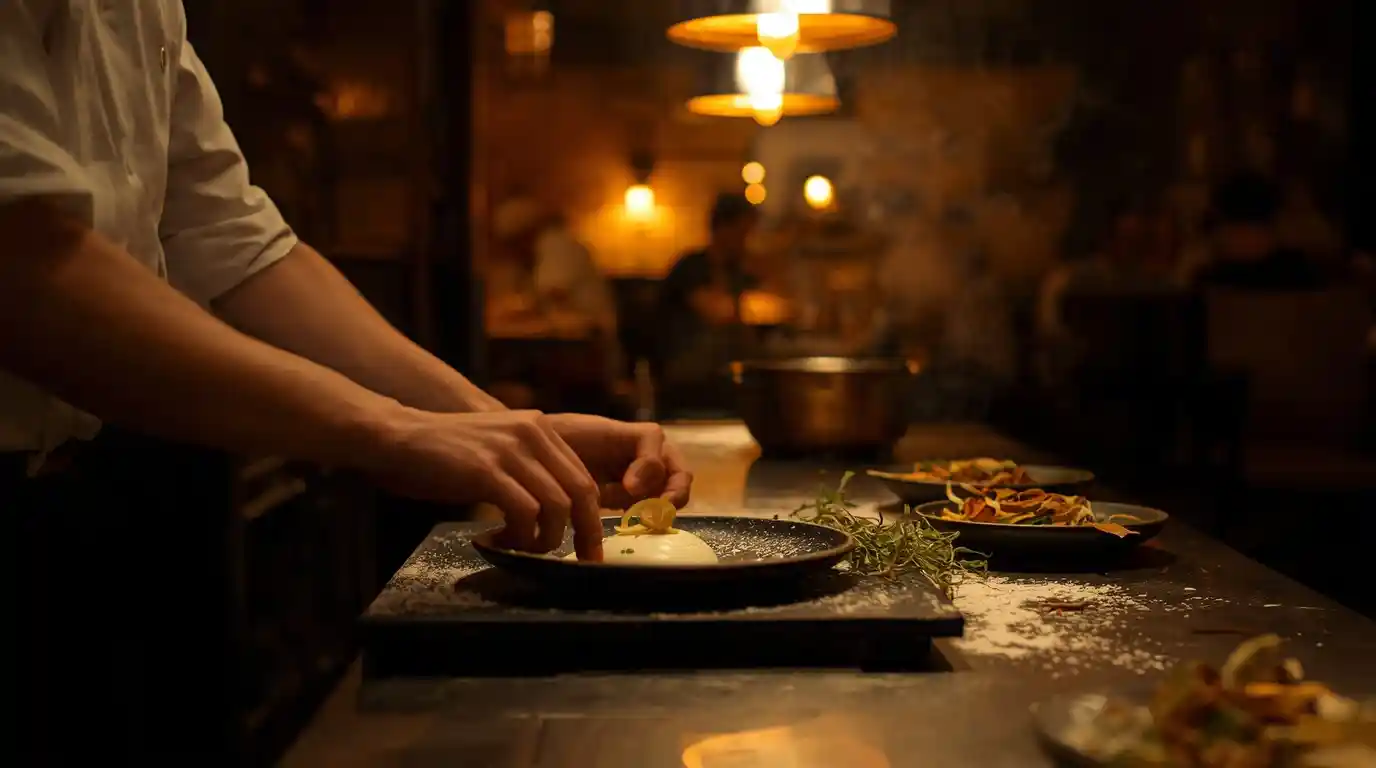
A zero-waste tasting menu in Manhattan usually sounds like a lecture with a check attached. Cynthia, a thirty-seat room at 32 Jones Street in the West Village, is arguing the opposite. Dinner starts at $140 for six or seven seasonal courses, and the kitchen's whole case is that the trimmings most restaurants pay someone to haul away are exactly what makes the food taste like something.
The restaurant opened in May 2026, founded by hospitality entrepreneur Claire DuBois with executive chef Sherry Cardoso running the food. The New Yorker reviewed it this month and counted six so-called programs on the menu — seven if you add the Wagyu, listed at $80 for two — that in practice arrive as closer to a dozen plates, because each program fans out into several dishes built from shared parts of the same ingredient.
That structure isn't a flourish. It's the accounting. If you buy one whole fish or one crate of corn and commit to using the flesh, the bones, the kernels, the cobs and the husks, you end up with more plates than courses. The EPA and USDA have pushed a national goal of halving food waste by 2030, and restaurants sit near the center of that math. Cynthia's answer is to build the waste out of the menu rather than apologize for it.
What Thirty Seats on Jones Street Actually Serve
The corn course, per The New Yorker's account, lands in three parts: corn ice cream set against marinated summer squash with shaved foie gras and nori; corn kernels in a beurre blanc; and a concentrated corn posset finished with burnt corn husk. One ingredient, harvested three different ways, including the part you'd normally strip off and throw in the trash on your kitchen counter.
Lobster comes in two acts — a Thai red curry with black truffle, then a plantain tortilla folded like a taco. The A5 Wagyu supplement splits into a brisket dumpling, a tongue roulade and a marbled rib eye with eggplant purée. Brisket and tongue on the same tray as rib eye is the philosophy in miniature: the whole animal, not just the expensive third of it.
How the Zero-Waste Tasting Menu Actually Works
Cynthia's own kitchen description is blunt about the method, and it explains why a small room can run a fixed menu at this price at all. Nothing is bought to be trimmed away.
What doesn't reach the plate gets preserved, fermented, dried, or folded back into the menu.
Peels and Stems Become the Seasoning
When prep cooks break down garlic and onions, the skins don't go in the bin. They're dried and turned into seasoning, or simmered into the base of a sauce. That's flavor a normal restaurant buys twice — once in the vegetable, once in the stock concentrate — and Cynthia buys once.
One Purchase, Several Courses
Whole proteins get used end to end, which is how a six-course menu quietly becomes a dozen tastes. It also locks the kitchen into the calendar. The menu shifts weekly with what's actually good, because a fixed list of dishes would force the kitchen to order around the season instead of with it.
The Tasting Format Is the Control
À la carte means guessing how many people will order the halibut on a Tuesday, and eating the loss when you guess wrong. A single set menu for thirty seats turns dinner into a known quantity. Cardoso has said the tasting format was chosen specifically to control waste, not just to tell a story.
Who Is Sherry Cardoso?
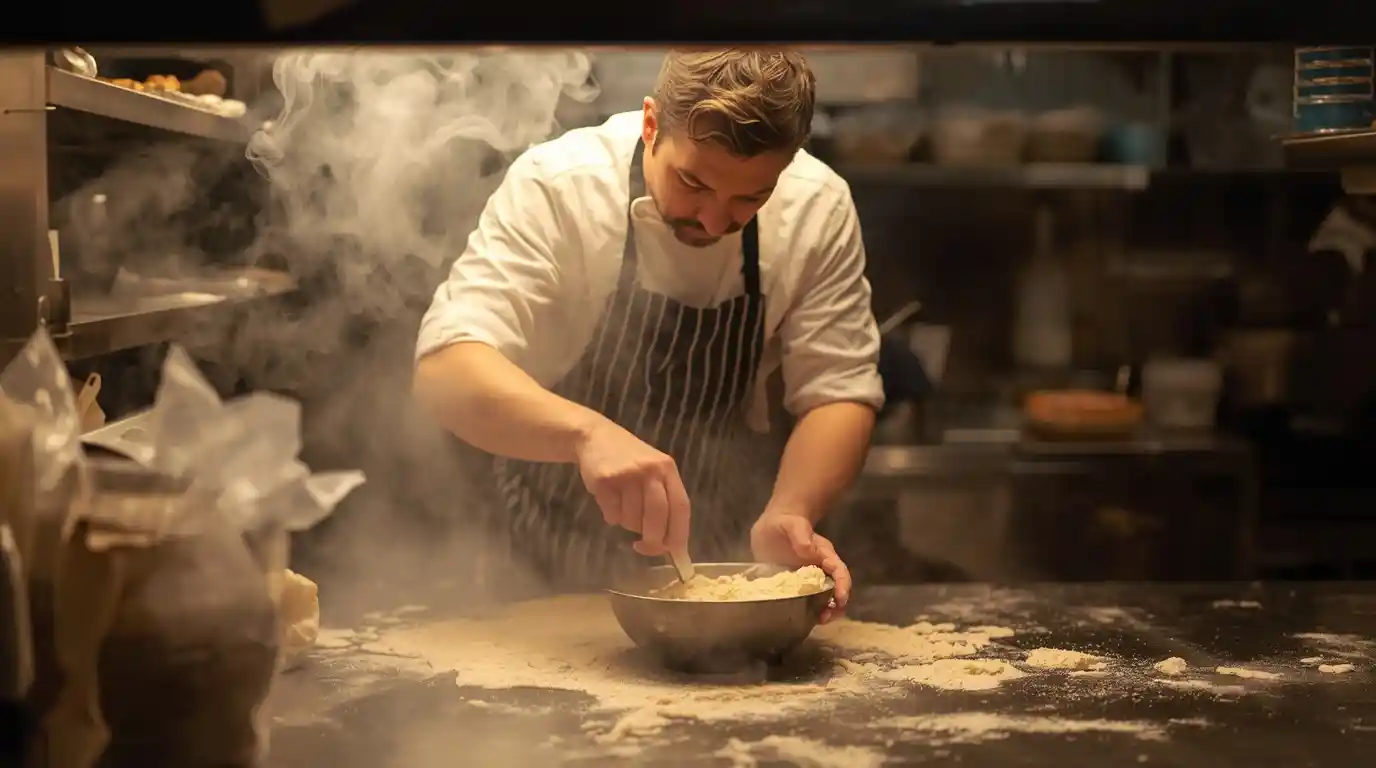
Cardoso was born in New York and raised in Brazil, and she competed on Season 23 of Bravo's Top Chef. Her résumé runs through Per Se, Chef's Table at Brooklyn Fare and Café Cluny — two of the most technically punishing kitchens in the city plus a neighborhood bistro. The French-Asian-Latin mash on the plate isn't a marketing deck. It's a career.
Is $140 a Deal in Manhattan Right Now?
Sticker price is only the opening bid. Add New York sales tax, a 20 percent tip and one glass of wine and you're realistically near $200 a head. Still, that's less than half what the city's marquee tasting counters charge, and the Michelin Guide lists Cynthia as Recommended, which is the guide's way of saying it's worth your night out without a star's price expectations.
Where This Fits in the Waste-Free Movement
Dan Barber's wastED pop-ups put scrap cooking on New York's radar back in 2015, but they were temporary by design. London's Silo turned it into a permanent restaurant and holds a Michelin Green Star for it. What's new here is the absence of theater: Cynthia doesn't sell the scraps as the concept, it sells corn three ways and lets the sourcing be the reason it tastes good.
If you want a table, book through Resy, or email the restaurant directly for allergies, larger parties or private events. Service runs Tuesday through Saturday, 5 to 11 p.m., across thirty seats — so weekend slots go early. Go in late summer while the corn program is still on, and ask what's being fermented or dried in the back. That answer changes weekly, and it's the closest thing to a spoiler for next month's menu.

Comments 0